
 Priyanka Tiwari
 Share
Share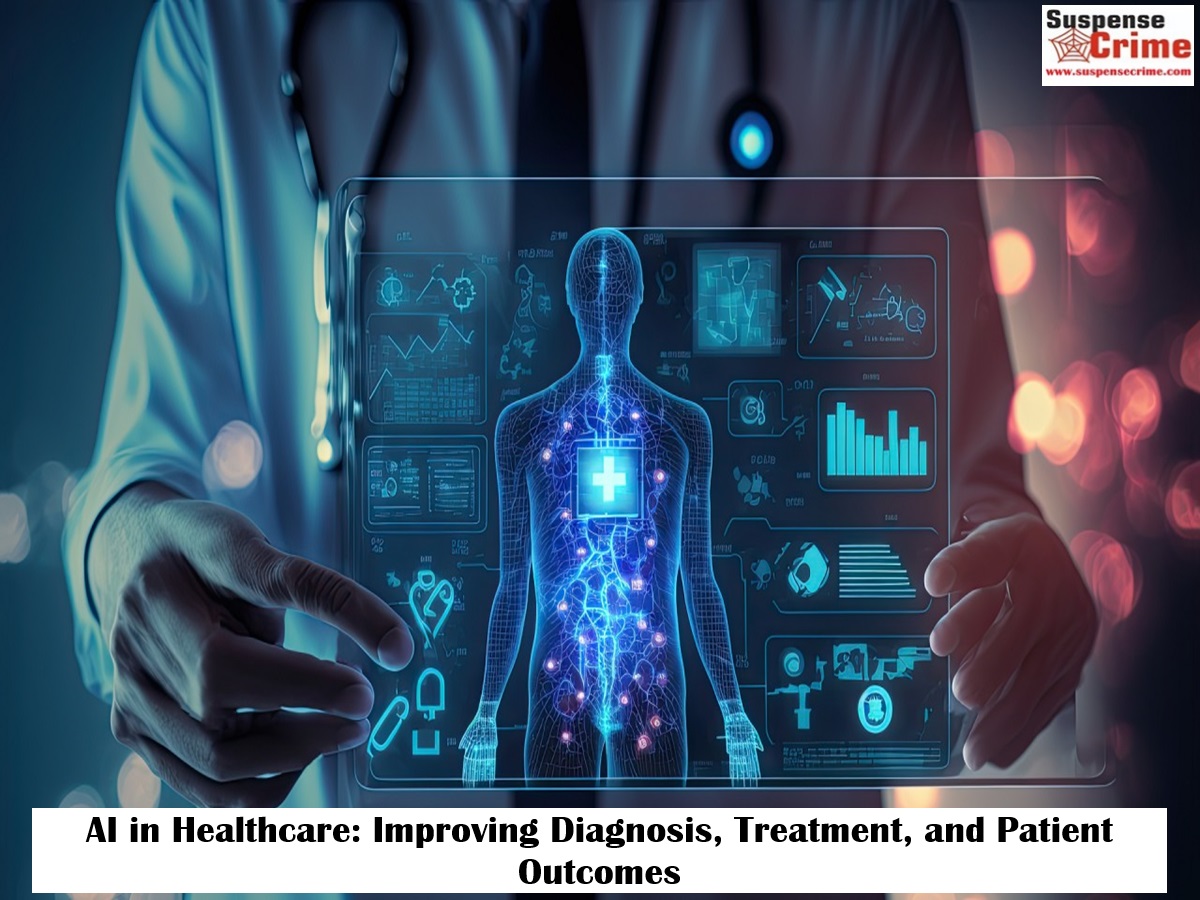
Suspense crime, Digital Desk : Not long ago, imagining machines aiding doctors in an illness diagnosis or reminding patients to take medication was farcical. Right now, artificial intelligence (AI) is actively doing its work in the healthcare space. In particular, AI is overhauling the speed of attaining diagnosis, providing tailored treatments, and the delivery of medical services.
What Is AI in Healthcare?
AI in healthcare pertains to the intelligent software solutions that scrutinize massive medical datasets. These systems recognize the trends and parameters, offer suggestions and help physicians in decision making. “AI is utilized to analyze medical scans, detect diseases in their early stages, and bring about system optimization in hospitals,” observes Dr. Manju Singh.
Major Benefits of AI in Healthcare
1. Early and Accurate Diagnosis
Based on the technique used in AI diagnostic tools such as CT and MRI imaging, cancer, brain tumors and lung infections are now accurately diagnosed. Loos-timed diagnostic aids rapidly assist doctors in diagnosing problems at early-stage hence willingness to intervene will improve survival rates.
2. Improved Disease Control
AI technologies offer heart issues and diabetes patients real-time monitoring. Other chronic patients can also be aided by smartwatches or other wearables that monitor heart rate, glucose levels and sleep patterns And provide instant notification to the users and healthcare givers in case of an irregularity.
3. Help in Remote Areas
In the absence of specialists in rural areas, AI applications aid in closing this gap. Mobile devices can perform tasks like analyzing cough sounds for respiratory issues and scanning eye photographs for diabetes-related examinations. Such devices enable health practitioners to render proper care even in the absence of supervision by a physician.
4. Individualized Care
Based on the patient’s genetic information, lifestyle choices, and medical history, AI has the ability to determine the most effective treatment for the individual. This reduces the amount of estimated guesswork, enhances the outcome of treatment, and facilitates precision medicine.
5. Enhanced Operations in the Hospital
AI is being used in hospitals to optimally schedule staff, manage inventories, and keep track of patient records. These systems lower operational costs and reduce the burden of administrative work, thereby allowing personnel to concentrate more attention on providing care to the patients.
Challenges in the Use of AI Technology in Healthcare
While beneficial, there are challenges with AI technology. The primary issues are related to data security, the ethical utilization of patient information, and absence of governing policies. AI aids in making clinical decisions but should not substitute the human touch, experience, and judgment of a medical professional.
Predictions for AI's Role in Healthcare
The role of AI in healthcare will expand further in the future. It is anticipated that even small clinics will be able to afford the technology as it becomes cheaper. If implemented responsibly, AI can enhance the accuracy and cost efficiency of health services, thereby increasing the availability of healthcare services.
Read More: Kitchen Hack: How to Set Thick, Creamy Curd Even with Thin or Watery Milk