Ziya
Ziya Share
Share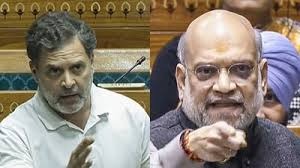
Parliamentary debates are often fiery, but sometimes, it’s not just the words that cause a stir—it’s the "rules of the game." During the recent Budget Session, a heated exchange broke out when Rahul Gandhi, the Leader of the Opposition, tried to quote from a book in the House. The Speaker, Om Birla, immediately stepped in, citing Rule 349.
But what exactly is this rule, and why did it lead to the House being adjourned multiple times? Let’s break it down in simple terms.
What Triggered the Uproar?
It all started when Rahul Gandhi began discussing the draft memoirs of former Army Chief General Manoj Mukund Naravane. He wanted to highlight certain points about India-China border tensions and alleged comments regarding the Prime Minister and the Defense Minister.
However, before he could go deep into the text, the treasury benches erupted in protest. Defense Minister Rajnath Singh and Home Minister Amit Shah strongly objected, accusing Gandhi of trying to mislead the House.
Decoding Rule 349: The Code of Conduct
In plain English, Rule 349 is like the "handbook of manners" for Members of Parliament (MPs). It ensures that the dignity and decorum of the Lok Sabha are maintained.
Here are the key things Rule 349 prohibits:
Reading from External Sources: MPs are generally not allowed to read out long excerpts from newspapers, magazines, or books during their speech without specific context or permission.
Visual Displays: You can’t bring in flags, posters, placards, or religious symbols to make a point.
Disruptive Behavior: No shouting slogans, loud laughing, or interrupting another member while they are speaking.
Following the Chair: Every member is bound to follow the Speaker’s instructions. If the Speaker says "no," the member must comply.
Why was Rahul Gandhi stopped?
Speaker Om Birla pointed out that under this rule, quoting directly from a book or a magazine in the manner Gandhi was attempting wasn't permissible. The logic behind this is to prevent the floor of the House from becoming a platform for unverified or external literature that hasn't been officially tabled.
The Bigger Picture
While the government saw it as a violation of parliamentary discipline, the opposition viewed it as an attempt to suppress a critical discussion on national security. The resulting deadlock saw the House adjourned twice in a single afternoon.
At the end of the day, Parliament isn't just about debating laws; it’s about following a centuries-old tradition of conduct. Whether you agree with the rule or not, it remains the ultimate authority on how our leaders behave inside the “Temple of Democracy.”
Read More: Why the Silence? Activist Arif Aajakia Slams Global Apathy on Pahalgam Terror Attack Anniversary