

 Ziya
Ziya Share
Share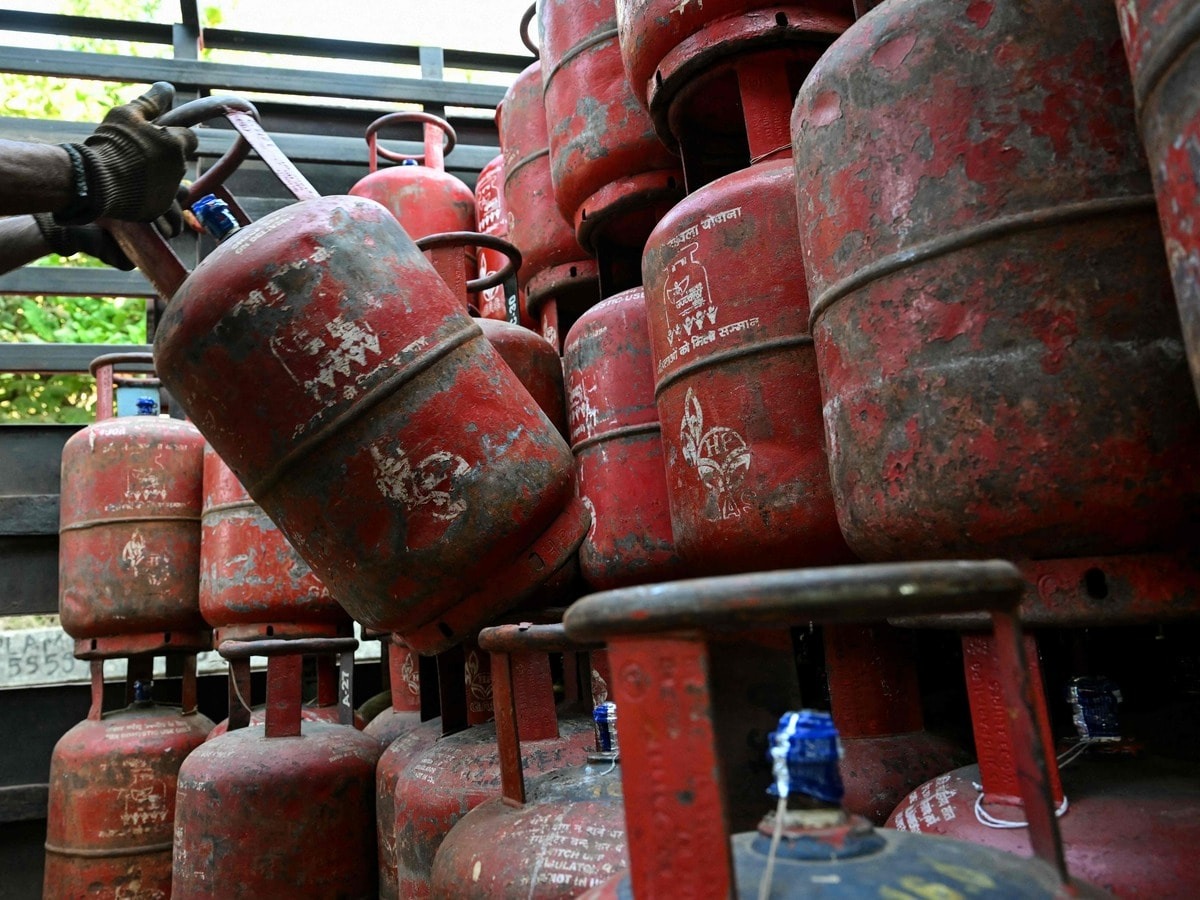
If you live in Gujarat, you’ve likely heard the whispers or seen the headlines about a "gas crisis." It’s a situation that hits close to home—quite literally. To ensure that families can continue to cook their meals without disruption, the Gujarat government has made a major policy call: cutting the supply of LPG to industrial sectors by a massive 50%.
The "Domestic First" Policy The logic behind the decision is simple but heavy. With global supply chains currently under pressure due to international tensions, the inflow of LPG has slowed down. Faced with a choice between keeping industrial furnaces running and ensuring that domestic cylinders reach every kitchen, the state has chosen the latter. This 50% diversion is intended to act as a buffer, preventing the long "booking waits" that residents in other states are currently experiencing.
The Impact on Industry While this is great news for the average household, it’s a challenging time for Gujarat’s vibrant industrial sector. From ceramics in Morbi to textiles in Surat, many small and medium enterprises (SMEs) rely heavily on gas. A 50% cut means these businesses have to either slow down production or look for much more expensive alternative fuels.
For the workers in these industries, the worry isn't just about the gas—it’s about how these production cuts might affect their shifts and take-home pay. It’s a reminder of how interconnected our economy really is.
Why is this happening now? The roots of the problem lie thousands of miles away. Because India imports a significant portion of its LPG through the Gulf, any regional instability immediately impacts the ports in Gujarat. The state government is essentially playing the role of a "crisis manager," trying to make sure the most essential needs—hospitals and homes—are met first while the supply stabilized.
What Should Residents Expect? For now, the government’s message is one of reassurance. By throttling industrial use, they are working to ensure that domestic supply remains steady and prices at the local distributor level stay regulated. However, it’s a good time for everyone to be a little more mindful of their energy consumption as the state navigates through this temporary “dry spell.”


_132300150_100x75.jpg)
_430488585_100x75.jpg)
_1333714631_100x75.jpg)
_58079313_100x75.jpg)