
 Ziya
Ziya Share
Share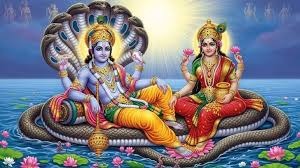
Paush Putrada Ekadashi, an highly auspicious day for devotees of Lord Vishnu, is dedicated to seeking blessings for progeny, particularly for a son. This revered fast falls on the eleventh day (Ekadashi Tithi) of the Shukla Paksha (waxing phase of the moon) in the Hindu calendar month of Paush. In the year 2025, Paush Putrada Ekadashi will be observed on Friday, January 10th.
Auspicious Timings and Planetary Alignments:
The Ekadashi Tithi for Paush Putrada Ekadashi 2025 will begin at 07:14 PM on January 09, 2025, and conclude at 05:07 PM on January 10, 2025. The Parana (breaking the fast) will take place between 07:16 AM and 09:20 AM on January 11, 2025. This year, the fast is considered particularly potent due to several auspicious yogas forming. The Sarvarthasiddhi Yoga, an extremely auspicious period for any new endeavor, will be present from 10:28 AM on January 10th until 07:15 AM on January 11th. Additionally, the Ravi Yoga will be active from 07:15 AM to 10:28 AM on January 10th. The Dhriti Yoga will be in effect until 07:17 AM on January 10th, followed by the Shool Yoga which lasts until 05:21 AM on January 11th. Such powerful astrological combinations enhance the benefits of observing the fast.
Rituals and Significance:
On Paush Putrada Ekadashi, devotees dedicate their prayers and rituals primarily to Lord Vishnu. The fast is observed from sunrise on Ekadashi until sunrise on the following day (Dwadashi). On the day of Ekadashi, after an early morning bath, devotees cleanse their puja area and install an idol or image of Lord Vishnu. They then take a solemn vow to observe the fast, known as "vrat ka sankalp," with intentions of a pure heart and seeking the desired blessing. Lord Vishnu is worshipped with offerings of basil leaves (tulsi), incense sticks (dhoop), lamps (deep), sandalwood paste (chandan), fruits, and sweets. Devotees also recite sacred mantras, sing hymns, and listen to or narrate the holy tale (katha) associated with Putrada Ekadashi. Those observing the Nirjala Vrat (waterless fast) refrain from both food and water, while others may consume only water or certain permitted fruits and dairy products. It is customary to break the fast on Dwadashi (the twelfth day) by consuming sattvic food and offering food to Brahmins or the less fortunate.
Traditional Remedies (Upay):
To ensure a successful and fruitful fast, certain traditional remedies are often performed. Chanting the "Om Namo Bhagvate Vasudevaya" mantra or the "Vishnu Sahasranama" is believed to be highly beneficial. Offering water to a peepal tree in the morning after the bath, particularly in the Moola Nakshatra, is also considered auspicious. Donating a yellow piece of cloth to Lord Vishnu in the temple is thought to fulfill desires for progeny. Keeping the image of baby Krishna at home is another common practice associated with this Ekadashi.
Read More: The Science and Spirituality of Mundan Why We Shave Our Heads After a Funeral
_1297495186_100x75.jfif)
_340260878_100x75.jfif)
_1388856202_100x75.jfif)
_1404400382_100x75.jfif)
_19172846_100x75.jfif)