
 Ziya
Ziya Share
Share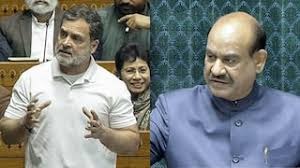
Democracy is all about having a voice, especially in the highest temple of the nation—the Parliament. But what happens when the Leader of the Opposition feels silenced? Recently, a heated exchange transitioned from the floor of the Lok Sabha to a strongly worded letter written by Rahul Gandhi to Speaker Om Birla.
The controversy kicked off during the discussion on the Presidential Address. Rahul Gandhi, who has been vocal about national security and border issues, tried to bring up specific details regarding the India-China border situation. He cited certain references, including a memoir by a former Army Chief, to back his claims.
However, things took a sharp turn when the Speaker asked him to authenticate the documents before speaking further. While the government benches argued that unverified sources shouldn't be part of the record, Rahul Gandhi felt this was a direct attempt to gag the opposition.
In his letter, Rahul didn't hold back. He called the incident a "blot on democracy," expressing his frustration over not being allowed to complete his speech. To him, this wasn't just a procedural hiccup; it was a sign of a shrinking space for dissent. He reminded the Speaker that his role is to be an impartial referee, ensuring that the voice of the opposition—representing millions of citizens—is heard loud and clear.
This face-off has once again brought the spotlight on the tension between the ruling party and the opposition. Is it a matter of parliamentary rules, or is it about who gets to control the narrative? As the debate continues, one thing is clear: the friction in the Lok Sabha is far from over.
Read More: PM Modi’s Midnight Meeting Why Getting Your Next Gas Cylinder Just Got Harder
_490432520_100x75.jpg)

_2002617288_100x75.jpg)
_2027130508_100x75.jpg)