US Slashes Proposed Penalty On India’s Russian Oil Imports From 500% To 100% In Revised Sanctions Bill
Washington: In a geopolitically significant legislative shift, the United States Senate has officially introduced a heavily modified version of its stringent Russia sanctions bill. Championed by the late Senator Lindsey Graham, the revised bipartisan bill drastically scales back the economic threat of massive tariff penalties originally aimed at third-party nations like India and China for purchasing Russian energy supplies. The legislative breakthrough, which has received strong backing from both the Republican and Democratic parties, aims to strike a delicate balance between squeezing Moscow's economy and maintaining global energy market stability.
Major Relief For New Delhi: Maximum Tariff Capped At 100% For Top Energy Buyers
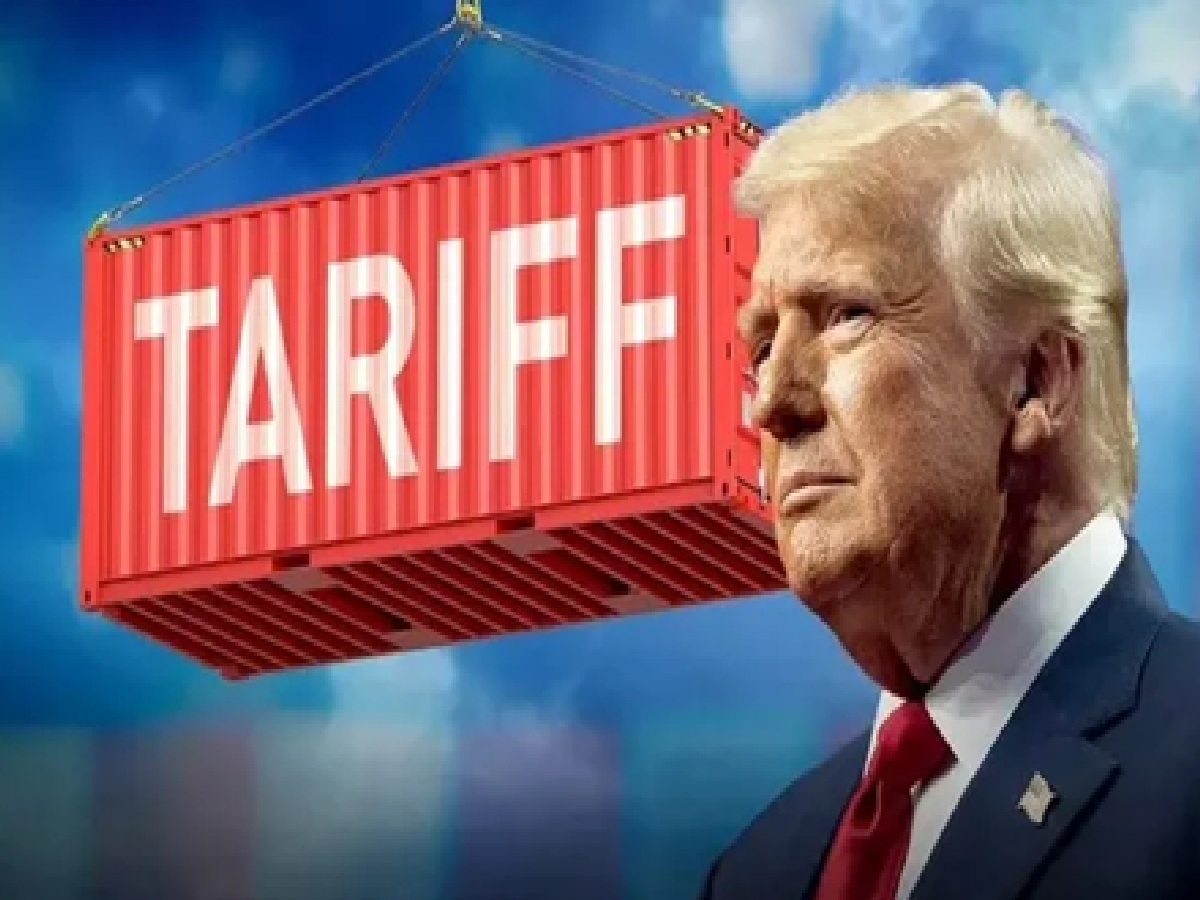
The newly amended framework provides monumental relief to major global economies that rely heavily on Russian crude oil and natural gas imports to fuel their domestic growth. The initial aggressive proposal, which sent shockwaves through global markets when introduced in April 2025, had called for an unprecedented, punitive one-time tariff of 500 percent on any nation buying fuel from Moscow. However, following extensive diplomatic and strategic reviews, the Trump administration has drastically rationalized the penalty structure, reducing the maximum tariff ceiling to 100 percent specifically targeting the top five global buyers. According to highly placed Senate aides, the primary nations impacted by this crude oil classification include China, India, Slovakia, Hungary, and Azerbaijan.
Strategic Gas Exemptions: Safeguarding Global Energy Security for Allied Nations
Beyond the adjustments made to crude oil tariffs, the revised legislation introduces a sophisticated tier of exemptions for natural gas imports. Under the newly drafted guidelines, countries that import less than 15 percent of Russia's total natural gas exports—and can demonstrate concrete, verifiable steps toward reducing their long-term energy dependence on Moscow—will receive special diplomatic exemptions. This specific clause effectively shields crucial US allies and partners, including Japan, France, Hungary, and Belgium, from the looming threat of secondary American sanctions, allowing these advanced economies to preserve their domestic energy security networks without facing international legal blowback.
Targeting Moscow's Lifeline: Severe Crackdown On The Cryptic Shadow Fleet
While the bill eases structural pressure on buyers like India, it intensifies direct economic warfare against Russia’s sovereign revenue streams. A major focal point of the legislation is a comprehensive crackdown on Russia's notorious "Shadow Fleet"—a vast network of unflagged or grey-market oil tankers operating independently of Western maritime insurance and shipping services to systematically bypass the G7 price cap. Furthermore, the bill expands its restrictive net over the financial sector, bringing major institutions like the Central Bank of the Russian Federation under strict embargoes. It also explicitly targets Russia's flagship liquefied natural gas megaprojects, including Yamal LNG and the ambitious Arctic LNG 1, 2, and 3, aiming to deal a critical long-term blow to Moscow's industrial capacity.
Presidential Discretion: President Trump Granted Ultimate Waiver Authority
Despite the aggressive framework laid out in the updated sanctions package, the US Senate has integrated a vital geopolitical safety valve into the legislative text. The updated version officially grants US President Donald Trump absolute executive discretion and waiver authority over the enforcement of these penalties. Under this provision, the President can completely or partially waive the implementation of tariffs or financial freezes against any country if the administration determines that enforcing such actions would conflict with the core national security or economic interests of the United States, keeping the doors open for continued bilateral negotiations with New Delhi.
_1006877930_351x234.jpg)
_421735380_351x234.jpg)
_250724134_351x234.jpg)