


US Senate Passes Bill Targeting Russian Oil Buyers: Will India and China Face Massive 100% Tariffs?
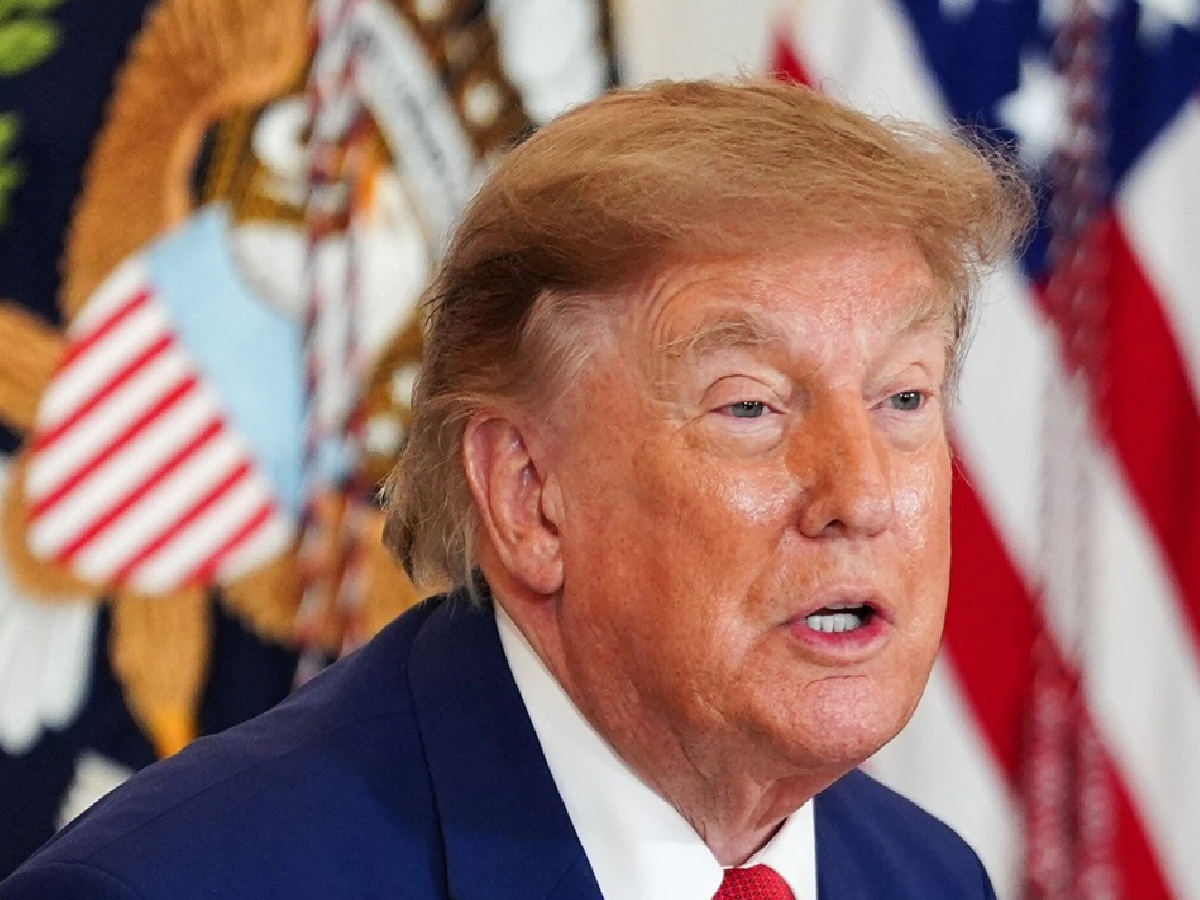
In a major legislative move that could significantly shake up global trade dynamics, the United States Senate has overwhelmingly passed a sweeping sanctions bill targeting the world's top five importers of Russian petroleum products. The newly passed legislation empowers the US administration to impose a steep 100 percent tariff on nations that continue purchasing oil from Russia, a move officially aimed at cutting off financial lifelines funding the ongoing war in Ukraine. With India and China listed among the primary buyers, the bill has raised critical questions about how Washington's aggressive economic measures will impact major trading partners if it successfully clears the House of Representatives.
The 'Lindsey O. Graham Sanctioning Russia and Iran Act of 2026'
The US Senate advanced the landmark legislation, officially titled the 'Lindsey O. Graham Sanctioning Russia and Iran Act of 2026', with a decisive 86-11 bipartisan vote. Once the bill secures final approval from the House of Representatives and is signed into law, US President Donald Trump will hold the direct authority to levy secondary tariffs of up to 100 percent on the top five global purchasers of Russian oil. Alongside India and China, the targeted group of major importers includes Azerbaijan, Hungary, and Slovakia. The overarching strategy is designed to force these sovereign nations into a difficult economic dilemma: choose between maintaining lucrative commercial ties with the United States or continuing to buy discounted Russian energy resources.
Broad Economic Sanctions and Extended Iran Measures
Beyond targeting Russian energy trade, the multi-faceted legislation introduces aggressive economic penalties aimed directly at Russian President Vladimir Putin, prominent industrialists, and key financial institutions. Furthermore, the bill incorporates significant international provisions by formally extending the historic Iran Sanctions Act of 1996 through the year 2031, effectively penalizing global companies that invest in Tehran's energy sector. The legislation carries immense bipartisan weight in Washington, having been spearheaded by the late Republican Senator Lindsey Graham. Following his passing on July 11 during a diplomatic visit to Ukraine, both American political parties united to name the act in his honor. Darlene Graham, who succeeded her brother in the Senate, remarked that the bill forces nations supporting Moscow's wartime economy to reckon with the heavy cost of bypassing Western economic consensus.



_2067304308_351x234.jpg)
_1580345427_351x234.jpg)