


US Senate Advances Bill to Impose Up to 100% Tariffs on India and China for Buying Russian Oil
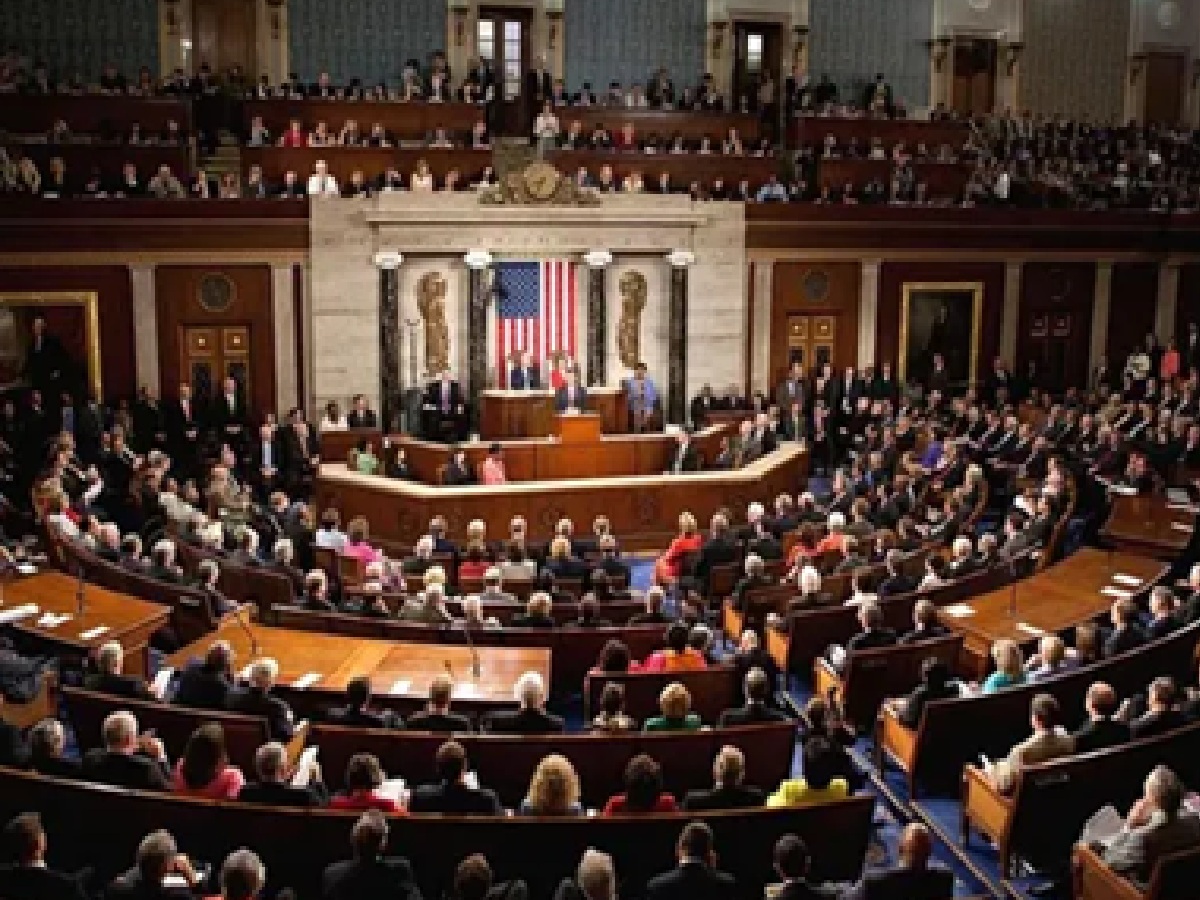
The United States Senate has overwhelmingly advanced a high-stakes bipartisan legislation aimed at escalating economic pressure on Moscow amid the ongoing conflict in Ukraine. Known as the Sanctioning Russia Act, the newly advanced bill empowers the U.S. administration to slap sweeping tariffs of up to 100% on the world's top five major purchasers of Russian crude oil and natural gas—a critical list that features India and China alongside nations like Slovakia, Hungary, and Azerbaijan.
The Push Behind the Bipartisan Sanctions Bill
Initially championed by the late Senator Lindsey Graham and co-sponsored by a robust bipartisan group of lawmakers, the legislation cleared a major procedural hurdle in the Senate with an 86-12 vote. The legislative package is designed to target Russia's core financial lifelines by penalizing foreign entities and major economies that continue energy commerce with Moscow. While an earlier draft floated a blanket 500% tariff, lawmakers revised the measure to a tightly targeted maximum of 100% on the top five oil and gas buyers, incorporating specific presidential waiver authorities for national security flexibility.
Impact of Middle East Conflicts and India's Energy Dependence
Global energy dynamics have shifted dramatically over the past year due to disruptions in critical maritime routes like the Strait of Hormuz, stemming from ongoing geopolitical flare-ups in West Asia. With traditional trade channels bottlenecked, Indian refineries significantly ramped up crude oil imports from Russia to ensure domestic energy stability. Data shows that India's reliance on affordable Russian crude surged notably, positioning New Delhi alongside Beijing as a primary destination for Russian energy exports.
Legislative Roadmap and Future Outlook
Although the Senate has successfully advanced the procedural vote, the bill still requires further legislative processing. Since the House of Representatives has entered its recess, final consideration and voting are expected when Congress reconvenes in September. While supporters view the measure as an essential tool to squeeze Russian war financing, trade experts and domestic critics note that giving the executive branch sweeping tariff powers could spark fresh trade complexities with vital global partners.



_2067304308_351x234.jpg)
_1580345427_351x234.jpg)