










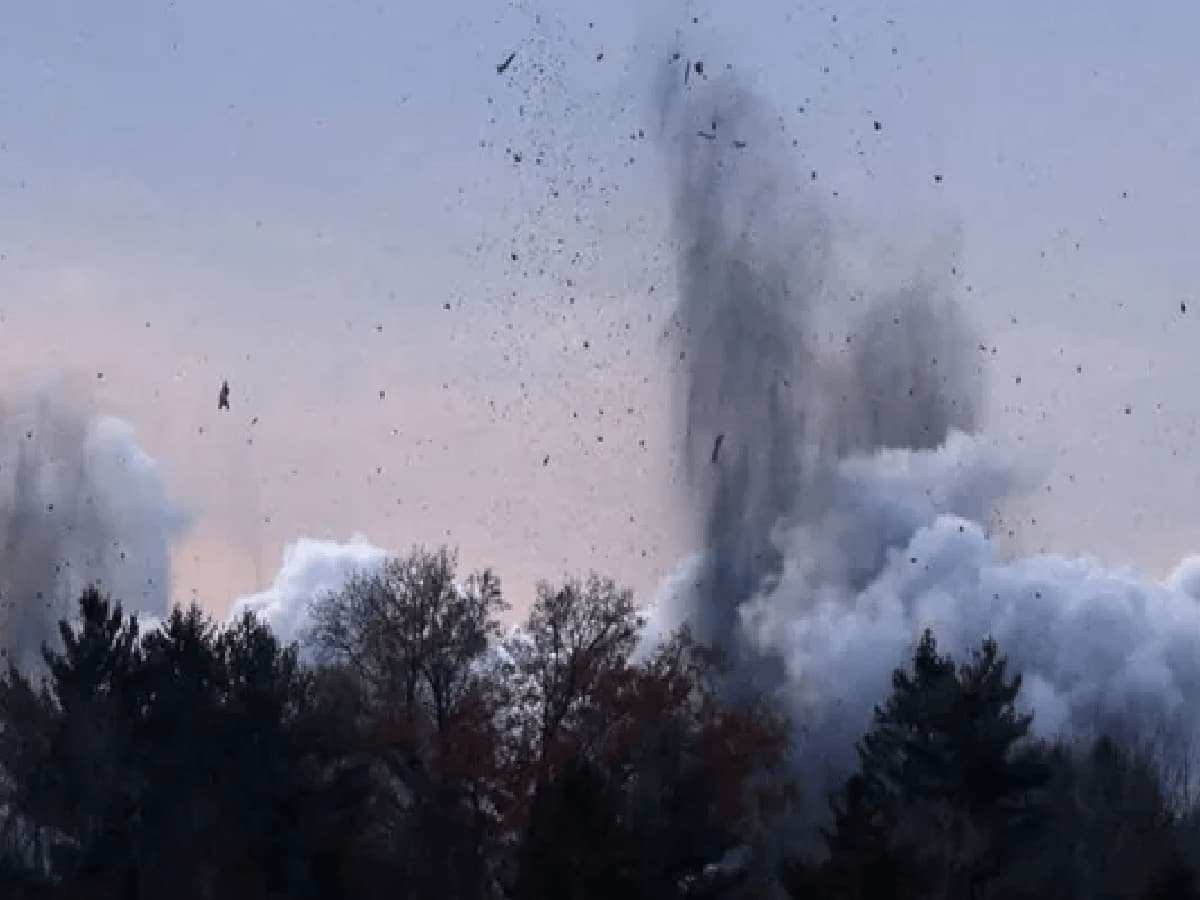
US Army Detonates 60-Year-Old Lead Azide Explosives in Iowa
Following weeks of legal challenges, shifting schedules, and public concern over toxic lead dust, the United States Army conducted a controlled in-place detonation of degraded lead azide stored across 68 drums at the Iowa Army Ammunition Plant in Middletown, Iowa, on Wednesday morning, November 25, 2026. Federal officials—including Acting Secretary of the Army Adam Telle, alongside representatives from the U.S. Environmental Protection Agency (EPA), the Federal Emergency Management Agency (FEMA), and the Bureau of Alcohol, Tobacco, Firearms and Explosives (ATF)—stated that an in-place controlled blast carried out by explosive ordnance disposal specialists was the safest way to eliminate an unstable stockpile before colder temperatures increased the risk of an accidental, uncontrolled explosion. While environmental groups such as the Iowa Environmental Council and the Sierra Club sued to halt the operation over health, environmental, and notice concerns, the U.S. Court of Appeals for the Eighth Circuit cleared the path for the blast to proceed. For international news readers and families across Uttar Pradesh—including households and students in Lucknow and neighboring cities such as Unnao, Kanpur, Prayagraj, and Varanasi, who follow major global safety, environmental, and defense developments—the operation highlights how legacy munitions storage can turn into a complex public-safety and environmental test.
Why Degraded Lead Azide Posed an Urgent Hazard
Lead azide is a primary explosive historically used in munitions and detonators to initiate larger charges. Because it can become highly sensitive to friction, shock, or temperature shifts—especially as it ages or crystallizes—U.S. military use was phased out years ago, with remaining material consolidated in storage at the Iowa facility. During a safety review in March 2026, inspectors identified degraded and crystallized lead azide inside drums at the Iowa Army Ammunition Plant, raising concerns that opening containers, moving them, or letting freezing weather set in could trigger an unplanned detonation.
| Risk or Operational Factor | Details of the Situation at Iowa Army Ammunition Plant |
| Material & Storage | Degraded, crystallized lead azide held across 68 drums inside concrete bunker structures in Middletown, Iowa. |
| Why Alternatives Were Ruled Out | Interagency technical reviews concluded that moving, burning, or chemically treating degraded material carried unacceptable explosion risks compared with a controlled detonation. |
| Legal & Schedule Shifts | After the EPA issued a permit on November 13, environmental groups sued; following a temporary pause and court action, the blast went ahead on November 25, 2026. |
| Evacuation & Regional Readiness | Local evacuations and shelter-in-place guidance applied near the site, with Iowa Governor Kim Reynolds activating state emergency response and Missouri monitoring potential fallout and agricultural impacts. |
Dust Mitigation Measures, Monitoring, and Public Precautions
Because detonating lead-containing explosives can disperse fine lead dust into the air and onto nearby soil, vehicles, play areas, and farm supplies, military and environmental teams put layered containment and monitoring measures in place ahead of the blast. Preparations included protective barriers such as sand and water/foam containment around the blast area, wet-down efforts, aerial/drone monitoring, and air-quality tracking coordinated with the EPA and FEMA. Health and emergency agencies advised residents in potentially affected zones to stay indoors with windows closed during the advisory window, keep HVAC air intake limited, wash hands and remove shoes indoors to avoid tracking dust, and clean outdoor surfaces with soap and water once officials cleared the area.
Ongoing Environmental Checks and Lessons From Legacy Munitions
Even after a controlled blast is completed, environmental agencies and farmers pay close attention to soil, water, forage, and surface testing because lead is a persistent heavy metal with no safe exposure threshold—particularly for young children, pregnant women, and livestock. The Iowa detonation underscores a broader lesson for governments worldwide: aging chemical and munitions stockpiles require routine inspection, transparent public communication, and proactive disposal plans long before degradation forces high-stakes emergency action.






