










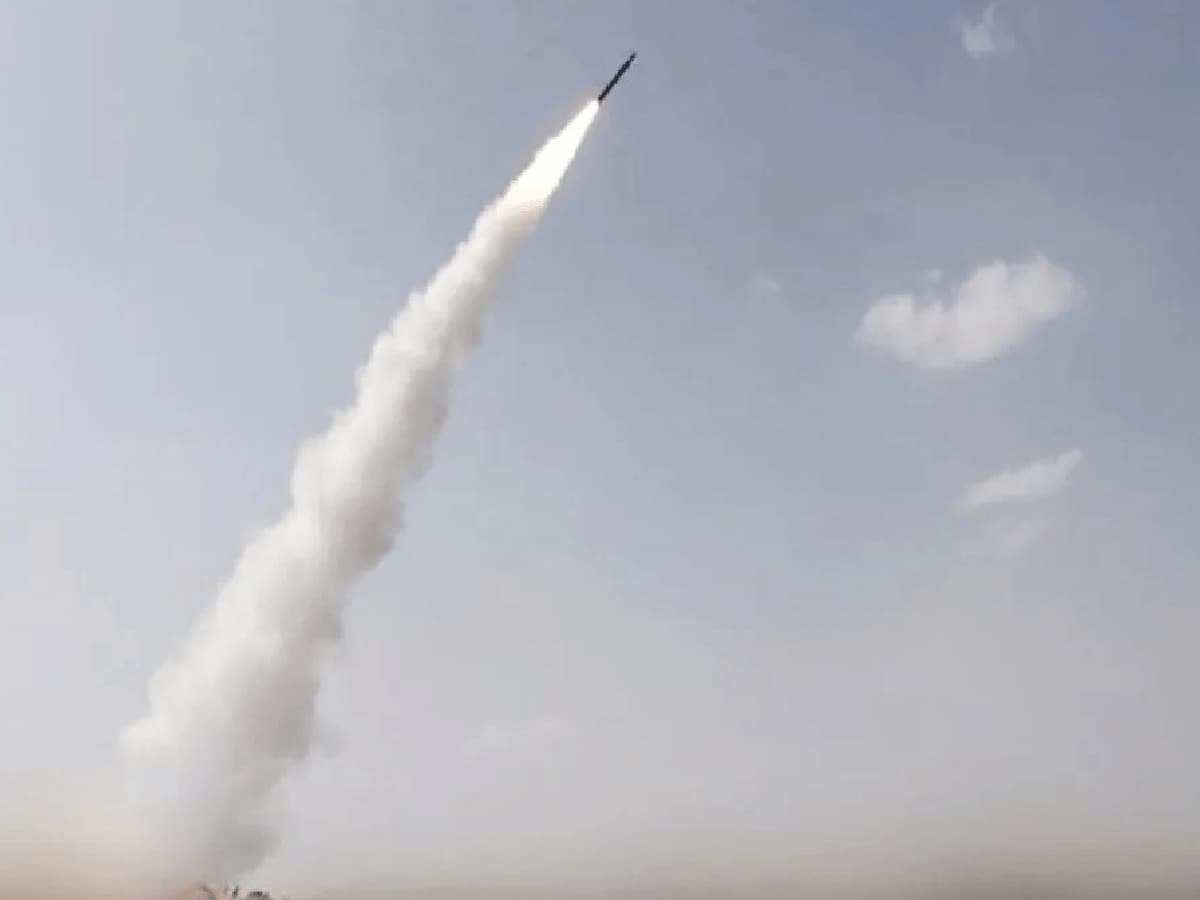
Saudi Air Defences Intercept 3 Houthi Missiles Amid Escalation
Tensions across the Arabian Peninsula surged again as the Saudi-led coalition reported intercepting and destroying three missiles launched from Yemen by the Houthi movement, including two ballistic missiles aimed at Saudi Arabia's capital, Riyadh, alongside a cruise missile directed toward the kingdom's western region. Coalition spokesperson Maj. Gen. Turki Al-Maliki announced that Saudi air defence systems downed the two ballistic missiles bound for Riyadh—where loud booms echoed in the city center—and confirmed an earlier interception of a cruise missile heading toward western Saudi Arabia, with neither statement reporting casualties or material damage from the missile intercepts themselves. The interceptions followed a sharp spike in cross-border hostilities after Houthi forces claimed strikes on the Saudi ports of Jeddah and Jazan in retaliation for coalition airstrikes on Yemen's Red Sea port of Hodeidah. For international news readers, diaspora families, and energy and trade watchers across Uttar Pradesh—including households, students, and business communities in Lucknow and neighboring cities such as Unnao, Kanpur, Prayagraj, and Varanasi, where Gulf developments are closely followed for remittances, aviation routes, and global crude oil cues—the renewed exchange underscores how fragile regional stability remains around the Red Sea and Gulf corridors.
Port Retaliation, Drone Interceptions, and Coalition Strikes Across Yemen
The latest missile alerts unfolded amid rapid back-and-forth military claims and counter-claims between Sanaa and Riyadh:
| Flashpoint / Military Action | Reported Details & Official Accounts | Casualty & Damage Status |
| Missiles Toward Riyadh & West | Coalition spokesperson Turki Al-Maliki reported intercepting two ballistic missiles headed toward Riyadh and one cruise missile launched toward western Saudi Arabia. | No casualties or material damage reported from the missile interceptions. |
| Jeddah & Jazan Port Claims | Houthi military spokesperson Yahya Sarea claimed attacks on Jeddah and Jazan ports under a stated "port-for-port" response to strikes on Hodeidah; coalition confirmed a projectile hit Jazan port and downed a drone near Jeddah Islamic Port. | Coalition reported minor damage at Jazan port with no civilian injuries. |
| Drone Intercepts in Saudi Arabia | Coalition reported intercepting seven drones in Saudi Arabia on Wednesday (including four in Ras Tanura in the Eastern Province and one near Jeddah Islamic Port), plus two more drones over the Eastern Province in subsequent updates. | No civilian injuries reported in the intercepted drone incidents. |
| Coalition Strikes & Hodeidah Toll | Coalition forces struck "operational capabilities" in Hodeidah and targets in Saada and Amran; Houthi-run Al-Masirah TV reported 17 killed and 11 injured in Monday's strikes on Hodeidah telecom facilities. | Escalating casualties and infrastructure pressure reported across affected sites. |
Why the Houthi–Saudi Confrontation Escalated Around Red Sea Ports
On Houthi-run Al-Masirah TV, military spokesperson Yahya Sarea claimed that Houthi forces struck both Jeddah—Saudi Arabia's major Red Sea commercial hub in the west—and Jazan near the southern border with Yemen, without specifying the weapons deployed. Framing the strikes as retaliation for coalition bombing of Hodeidah, Sarea warned of an "immediate and direct" response to any future strikes on Hodeidah under what he called a "port-for-port" equation, vowing continued operations inside Saudi Arabia until airstrikes cease and restrictions on Houthi-held areas are lifted. Meanwhile, the coalition maintained it was degrading Houthi operational capabilities in Hodeidah as well as northern Yemeni provinces including Saada and Amran.
Roots of the Conflict and What to Watch Next
The roots of the conflict stretch back to late 2014, when the Houthi movement seized Yemen's capital Sanaa and large swaths of northern Yemen, prompting Saudi Arabia to lead a military coalition in 2015 in support of Yemen's internationally recognized government. After years of intermittent truces, clashes, and cross-border attacks, renewed strikes on ports, energy hubs, and urban centers keep regional shipping, aviation, and diplomatic channels on high alert as both sides exchange warnings.






