


PM Modi Ignites Clean Energy Revolution As Protesters Make Absurd Claims
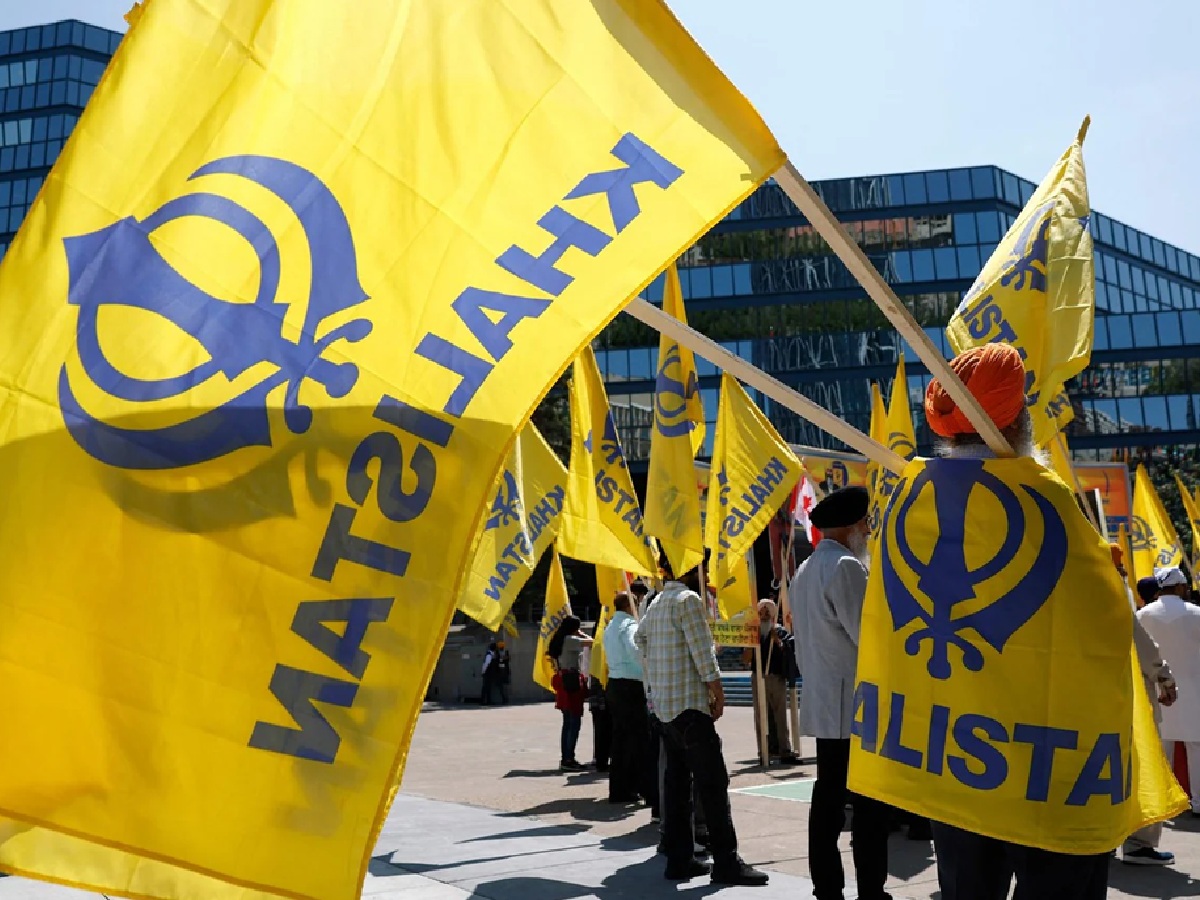
In a monumental geopolitical triumph that cements India's long-term energy security, Prime Minister Narendra Modi’s high-profile state visit to Australia has culminated in the signing of a historic civilian nuclear energy agreement. Under this landmark bilateral pact, Australia—which holds the world’s largest verified uranium reserves—will officially commence the export of commercial uranium to India. This strategic partnership is set to supercharge New Delhi's ambitious transition toward green energy. However, the development has triggered severe frustration among fringe Khalistani supporters in Melbourne, who staged protests outside the Government House only to draw widespread ridicule for making scientifically impossible and highly illogical claims.
Science Defied As Protesters Claim Clean Energy Fuel Will Target Minorities
While PM Narendra Modi and Australian Prime Minister Anthony Albanese were busy outlining the roadmap for a sustainable future, a small group of Khalistani agitators attempted to construct a bizarre narrative. Demonstrating a complete lack of basic scientific literacy, the protesters claimed that India would use the imported uranium "against domestic minorities" rather than utilizing it for peaceful electricity generation. Nuclear experts and international observers were quick to dismiss the propaganda, pointing out that both bilateral clauses and global non-proliferation treaties strictly mandate the fuel "exclusively for peaceful purposes." Transforming commercial reactor fuel into a localized weapon against a community completely defies the laws of physics and international regulatory frameworks.
Achieving 100 GW By 2047: The Strategic Reality Of The Indo-Australian Nuclear Pact
Beyond the groundless propaganda, the bilateral agreement finalized on July 9 holds immense macroeconomic value for India's infrastructure. New Delhi has set a visionary target to achieve 100 gigawatts of clean nuclear power capacity by the centenary year of 2047, and a steady supply of Australian uranium is critical to achieving this goal. This deal allows India to systematically scale down its massive dependency on coal and heavily polluting fossil fuels. Furthermore, the partnership beautifully aligns with India's recently enacted Peace Act, which permits up to 49% private and foreign direct investment (FDI) in the domestic nuclear energy sector, opening up multi-billion dollar avenues for global clean energy developers.
Melbourne Meets Modi: 18 Landmark Pacts Signed To Strengthen Global Ties
While fringe elements gathered outside, the real spotlight remained on the mega "Melbourne Meets Modi" diaspora event at the Melbourne Stadium, where PM Modi addressed tens of thousands of cheering Indian-Australians alongside PM Anthony Albanese. The historic visit yielded a staggering total of 18 bilateral agreements spanning education, defense, and trade. Chief among these was a newly adopted 'Joint Declaration on Defence and Security Cooperation' aimed at fortifying maritime security in the Indo-Pacific. Additionally, both leaders agreed to fast-track the Comprehensive Economic Cooperation Agreement (CECA) and finalized an approval letter allowing Australia's prestigious Victoria University to establish a state-of-the-art international campus in Gurugram, India, alongside a zero-tolerance joint resolution to eliminate global terrorism.


_119000108_351x234.jpg)
_264984382_351x234.jpg)
_661627656_351x234.jpg)
_1019774568_351x234.jpg)