Iran Warns US: Prepared for Three Scenarios
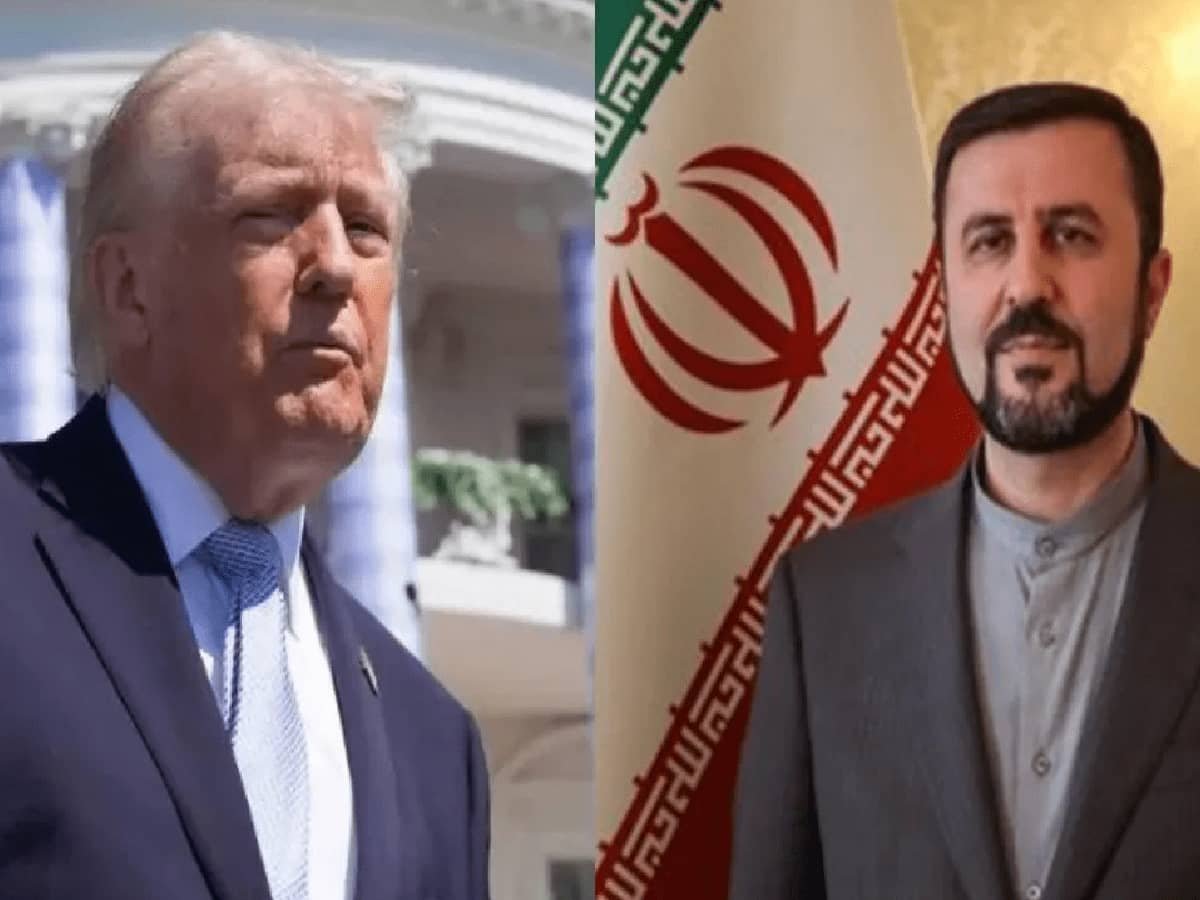
As geopolitical tensions in the Middle East remain at a knife-edge, Tehran has issued a stern, unequivocal warning regarding its future dealings with Washington. In a comprehensive televised interview with Iran’s official state news agency IRNA, Iranian Deputy Foreign Minister Kazem Gharibabadi stated that the Islamic Republic remains fully prepared for three distinct strategic scenarios: renewed diplomacy, an intensified economic blockade, or direct military aggression.
Asserting that Tehran views itself as legally remaining in a "state of war," Gharibabadi delivered a scathing critique of Washington's reliability at the negotiating table, accusing American leadership of repeatedly displaying bad faith and violating prior diplomatic understandings.
Why Iran Distrusts Washington: Broken Agreements and Bad Faith
According to the high-ranking Iranian diplomat, trusting US diplomatic overtures has proven historically unreliable. Gharibabadi pointed out that Washington has demonstrated bad faith at least three times over the past year and a half, citing specific instances where active military engagements broke out while formal negotiations were underway.
He specifically highlighted the outbreak of the "12-day war" and the "40-day war" during active diplomatic tracks, alongside a 14-point Memorandum of Understanding (MoU) that collapsed within two weeks of its signing. "The US has shown its bad faith at least three times over the past year and a half. This shows that the US cannot be trusted at the diplomacy table," Gharibabadi asserted.
Because of this diplomatic deficit, Tehran maintains that the burden of proof rests entirely on Washington. If the United States genuinely wishes to pursue peaceful dialogue, the onus is on the White House to rebuild lost trust through tangible, verifiable actions rather than rhetoric. Furthermore, Gharibabadi dismissed Washington’s reliance on economic sanctions and maximum-pressure tactics as a fundamentally failed strategy, arguing that while sanctions place friction on ordinary Iranian citizens, they inflict heavy collateral damage on global energy markets, financial networks, and the US economy itself.
The Three Scenarios: Diplomacy, Blockade, or Aggression
Outlining the state's strategic calculus, Gharibabadi detailed the three operational paths defining Iran's current geopolitical posture:
Diplomacy: Tehran remains open to political dialogue, but insists it will only engage if Washington meets strict pre-conditions, including a permanent cessation of hostilities across all fronts, the lifting of US-imposed economic blockades, the release of frozen Iranian assets, and the removal of specific sanctions targeting the Iranian oil sector. Additionally, Iran demands that recent US military deployments and hardware buildups in the region be addressed.
Economic Blockade: With US naval forces maintaining a blockade on Iranian ports, Tehran has organized its domestic and international supply chains to withstand sustained economic isolation.
Military Aggression: Reaffirming that Iran is not a warmonger and has operated strictly in self-defense since the conflict began, Gharibabadi stressed that the nation's armed forces are fully prepared to repel any military escalation.
Proposal to Reopen the Strait of Hormuz Within Two Days
A pivotal element of Gharibabadi's address focused on the critical maritime bottleneck: the Strait of Hormuz. While previous mediation efforts over the past two months initially targeted a seven-day timeline to end hostilities and restore free shipping lanes, ongoing discussions with international mediators have compressed that window.
According to Tehran's current proposition, the implementation of mutual security and political measures could be executed within two days, immediately leading to the reopening of the vital trade corridor. However, Gharibabadi cautioned that deep disagreements over the implementation and sequencing of commitments continue to stall a final accord. "These proposals are not operational from our perspective, because if even one of those issues... is not implemented at the current stage, fundamentally no understanding can be reached," he warned, noting that any agreement built without ironclad guarantees would inherently remain unstable.
Navigating a Fragile Regional Landscape
Relations between Tehran and Washington have experienced severe turbulence following the breakdown of a temporary ceasefire and an earlier MoU mediated earlier in the year. With sporadic strikes continuing and maritime commerce facing strict oversight in the Persian Gulf, Gharibabadi's remarks serve as a definitive baseline for Iran's foreign policy. As international mediators attempt to bridge the divide, Tehran's message remains clear: any future diplomatic breakthrough requires absolute transparency, reliable execution, and unconditional respect for Iranian sovereignty.