


Iran Offers to Reopen Strategic Strait of Hormuz if US Lifts Port Blockade
_192685006.jpg)
In a dramatic diplomatic overture on the sidelines of the United Nations General Assembly (UNGA) in New York, Iranian authorities have presented a conditional roadmap to end the prolonged maritime impasse in the Persian Gulf. A senior Iranian official confirmed that Tehran is prepared to reopen the strategically vital Strait of Hormuz to commercial shipping traffic within seven days, provided the United States eases its surrounding naval posture and formally lifts the punitive economic blockade choking Iranian seaports. The conditional breakthrough offer signals a high-stakes pivot from Tehran, handing the White House a direct timeline to choose between immediate maritime de-escalation or protracted energy volatility across international supply chains.
Full Authority for Diplomatic Talks: Iranian Envoys Ready to Engage Washington in New York
According to reports from Reuters, the high-level Iranian delegation currently stationed in New York for the annual UN summit has been granted full mandate and diplomatic authority to restart stalled direct and backchannel negotiations with Washington. The diplomatic opening marks the first structured off-ramp presented by Iran since bilateral confrontations brought maritime commerce through the region to a near-total halt earlier this year. Observers note that while the Iranian leadership remains under intense domestic and international pressure, the move places the onus directly on US President Donald Trump’s administration to calibrate its maximum-pressure doctrine against the immediate restoration of safe commercial passage for global tankers.
Global Energy Lifeline on Edge: How the March 2 Closure Choked Crude Oil Transit
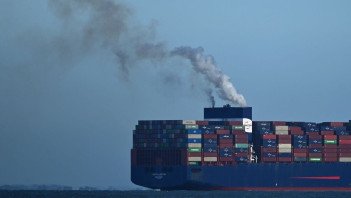
The strategic significance of the Strait of Hormuz cannot be overstated, as it serves as the world's most critical maritime chokepoint through which roughly one-fifth of global petroleum consumption and vast liquefied natural gas (LNG) shipments transit daily. Commercial vessel movements through the narrow waterway were severely curtailed following the Iranian military's formal shutdown declaration on March 2, 2026, triggered by soaring regional hostilities with US naval strike groups. While limited attempts to restore tanker convoys were initiated between June and July, recurring strikes against merchant vessels forced a total shutdown, leaving crude markets rattled by persistent supply shocks and surging freight insurance rates. With Tehran’s seven-day clock now ticking, energy markets and world capitals are closely watching whether Washington will leverage this diplomatic window to avert a broader global energy crisis.
_1022213239_351x234.jpg)
_402131346_351x234.jpg)
_1916214837_351x234.jpg)
_839119657_351x234.jpg)
_2051270886_351x234.jpg)