


Iran Approves Drastic Regulations for Unauthorized Ships in Strait of Hormuz
_110277301.jpg)
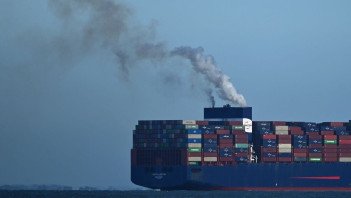
In a dramatic escalation of maritime enforcement across the world's most vital energy transit corridor, the Iranian Parliament's National Security Committee officially ratified sweeping legal regulations on Tuesday, September 22, 2026, targeting commercial vessels entering the Strait of Hormuz without prior clearance. Under the newly endorsed provisions, foreign commercial ships and tankers traversing the strategic chokepoint without authorized permits will face an immediate statutory penalty equivalent to 20% of their total cargo value. Furthermore, the legislation authorizes Iranian naval authorities to enforce temporary physical detention of non-compliant vessels until fines are settled in full, introducing severe financial and operational jeopardy for international maritime shipping lines.
Special Maritime Courts and Armed Forces Oversight: Legal Mandate Behind Transit Controls
According to disclosures reported by Iran's Fars News Agency, Tehran's judiciary has been formally instructed to establish dedicated specialized branches to prosecute violations and interpret navigation protocols. These specialized tribunals will be presided over by judicial experts in domestic and international maritime law to enforce legal compliance. Framing the measures within sovereign legal bounds, the mandate stipulates that all bilateral or multilateral agreements regarding transit rights through the Strait must align strictly with Articles 57, 77, 125, and 176 of the Iranian Constitution. To ensure compliance, the General Staff of the Iranian Armed Forces will submit quarterly operational implementation reports directly, or via the Ministry of Defense, to the Parliament’s National Security and Foreign Policy Committee.
Crude Surges Past $100: Market Jitters Escalate Following Trump's UNGA Ultimatum
The aggressive regulatory push coincides with extreme geopolitical friction that sent shockwaves through international commodity exchanges, propelling global crude benchmarks back above the $100-per-barrel threshold. During his address at the 81st United Nations General Assembly in New York, US President Donald Trump presented Tehran with an ultimatum, asserting that he faces a pivotal choice between an overarching peace agreement and decisive military intervention to block Iranian nuclear ambitions. While Trump expressed lingering hope for a diplomatic compromise, oil traders reacted swiftly to the maritime threats: Brent crude rose to $100.04 per barrel, with West Texas Intermediate (WTI) trading above $91 per barrel as shipping insurers reassess the risk of navigating Persian Gulf waters.



_1678262532_351x234.jpg)
_643920929_351x234.jpg)