Elon Musk Backs Campaign to Bring Back Jensen Huang
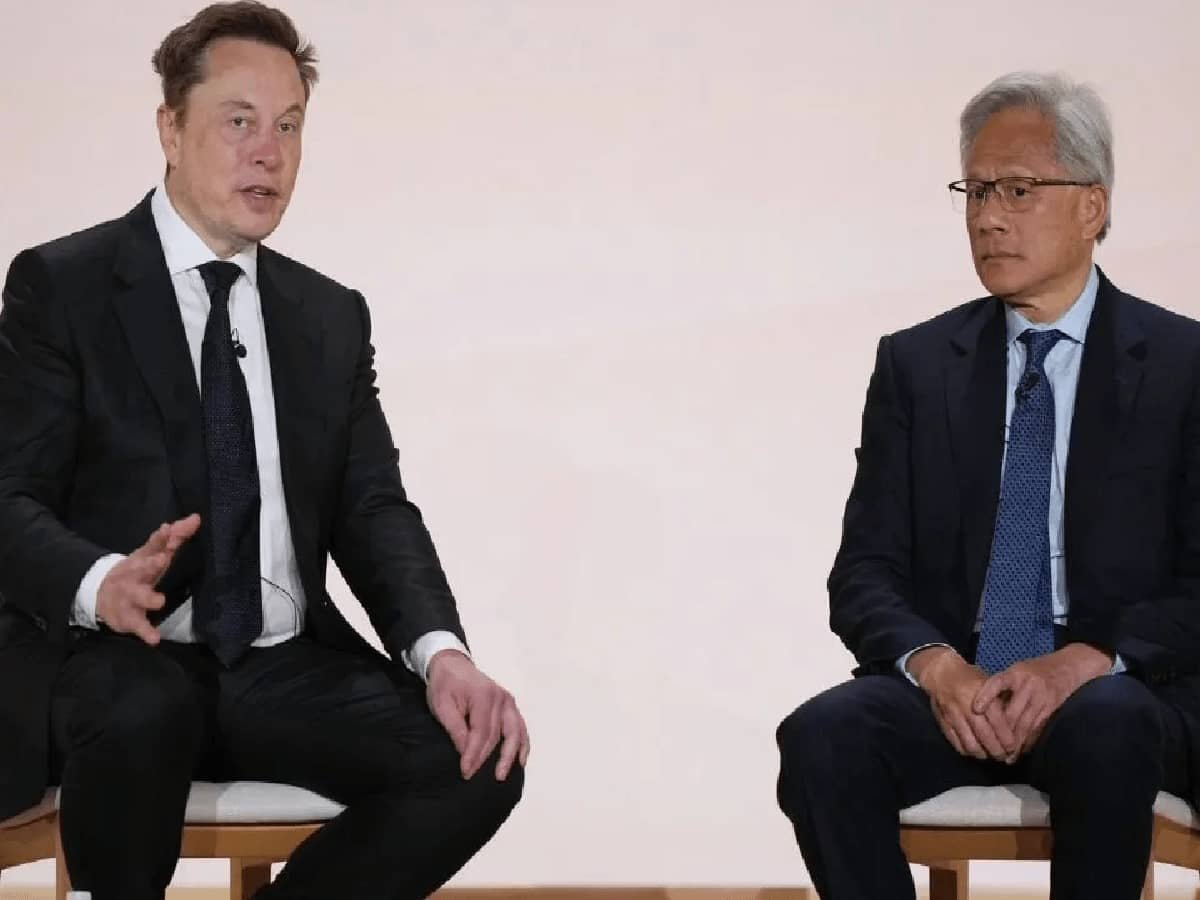
The global technology sector is witnessing an unprecedented corporate drama. Just weeks after sending shockwaves through Wall Street and Silicon Valley with his sudden resignation, former Nvidia CEO Jensen Huang has reportedly held discussions regarding a potential return to lead the semiconductor titan he co-founded three decades ago.
As Nvidia's board of directors navigates an independent investigation into the circumstances of his departure, an influential coalition of tech leaders—spearheaded by billionaire innovator Elon Musk and Epic Games CEO Tim Sweeney—has mobilized a vocal campaign urging the company to reinstate Huang at the helm.
Silicon Valley Mobilizes: "Bring Jensen Back"
According to reports from the Financial Times, a network of prominent Silicon Valley executives and industry allies has begun lobbying aggressively for Huang’s reinstatement. This coordinated push includes efforts to rally support across the wider tech ecosystem, with insiders noting that influential figures outside the immediate AI frontier labs view Huang as irreplaceable to Nvidia’s unique corporate culture and engineering trajectory.
The campaign burst into the public sphere when an open letter demanding the board "Bring Jensen Back" began circulating among tech leaders and Nvidia employees alike. Elon Musk, known for his outspoken commentary on industry developments, took to the social media platform X to confirm his participation in the initiative. Responding directly to a user, Musk declared, "A petition is underway to reinstate Jensen and I'm signing it too."
Support for the veteran executive extends deep inside Nvidia's own corporate ranks. Multiple employees have expressed dismay over his sudden exit and added their voices to the chorus calling for his return, highlighting the intense personal and professional loyalty Huang commanded during his 33-year tenure transforming Nvidia from a startup into the undisputed powerhouse of the artificial intelligence revolution.
Nvidia’s Board Weighs Succession and Investigates Departure
While grassroots and executive pressure mounts for Huang's reinstatement, Nvidia’s board of directors faces the complex task of managing the fallout from his exit. The board launched an independent investigation following disclosures regarding personal relationships, including one involving Chinese businesswoman Alice Huang—which drew scrutiny from US intelligence officials over potential foreign intelligence links—alongside reports concerning internal relationships within the company.
With Chief Financial Officer Colette Kress currently steering the company as interim CEO, the board has also initiated contingency planning for leadership succession. Among the external names reportedly circulating in industry discussions is Arm Holdings CEO Rene Haas. Haas, who has successfully led the SoftBank-backed British chip design giant since 2022, possesses deep historical ties to Nvidia, having spent seven years at the company over a decade ago alongside existing board members.
Despite external speculation, Nvidia has sought to project calm, emphasizing that its official succession search remains in its infancy. In a formal statement reported by the Financial Times, the board clarified its official stance: "Any speculation regarding individual candidates, whether internal or external, is premature." The board added that it is currently in the process of formally selecting a specialized executive search firm to conduct a comprehensive global search for a new chief executive.
The Legacy of Jensen Huang and What Lies Ahead
Co-founding Nvidia in 1993, Jensen Huang became synonymous with the modern era of accelerated computing, graphics processing units (GPUs), and the generative AI boom that reshaped global enterprise. His 33-year run established him as one of the most influential and recognizable figures in modern industrial history.
As the board continues its internal review and Silicon Valley applies mounting pressure for his reinstatement, Nvidia stands at a historic crossroads. Whether the chipmaker ultimately paves the way for a dramatic corporate comeback or presses ahead with a formal leadership succession process, the outcome will fundamentally shape the future trajectory of the global artificial intelligence landscape.