


'Economic D-Day': Donald Trump Warns of Severe Consequences for Countries Supporting Iran
_1184326880.jpg)
United States President Donald Trump has escalated geopolitical tensions by declaring what he termed an "Economic D-Day" against the Islamic Republic of Iran. Warning that it would be the most severe economic crackdown ever imposed on any country, the US administration is signaling an unprecedented wave of financial isolation and trade restrictions against Tehran.
Trump Declares Unprecedented Economic Warfare
In a strongly worded statement shared on social media platform Truth Social, President Trump expressed frustration over failed diplomatic efforts, stating that no one had given Iran a greater opportunity to reach a deal than he had, an opportunity he claims Tehran failed to seize.
With this newly announced economic offensive, Trump warned that Iran now faces total economic warfare and isolation on a scale never witnessed before. The measures are designed to systematically choke off the nation's financial lifelines and pressure its ruling regime.
Strict Warnings Against Aiding Iran
Taking a step further, the US President issued a direct warning to international allies and trading partners, cautioning them against providing any form of aid, assistance, or economic relief to Iran. He made it clear that any country or entity choosing to bypass sanctions would face severe economic consequences from Washington.
Targeting illicit financial networks, Trump outlined specific sectors and methods that must be shut down immediately:
Oil smuggling operations and swap lines
Cash transfers and underground exchange houses
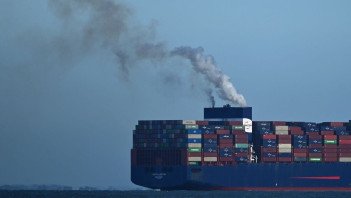
Maritime ship registries and front companies operating on behalf of sanctioned entities
Call for Global Allies to Join Washington
Describing the strategy as an "economic D-Day," President Trump appealed directly to international allies and global partners to join forces with Washington in isolating and neutralizing the threats posed by Iran. The aggressive economic stance marks a major tightening of US foreign policy in the Middle East, with international markets and observers closely monitoring the global repercussions of these sweeping sanctions.
_2076842497_351x234.jpg)


_2067304308_351x234.jpg)
_1580345427_351x234.jpg)