


Donald Trump Takes Direct Action Just a Day After White House Meeting with Netanyahu
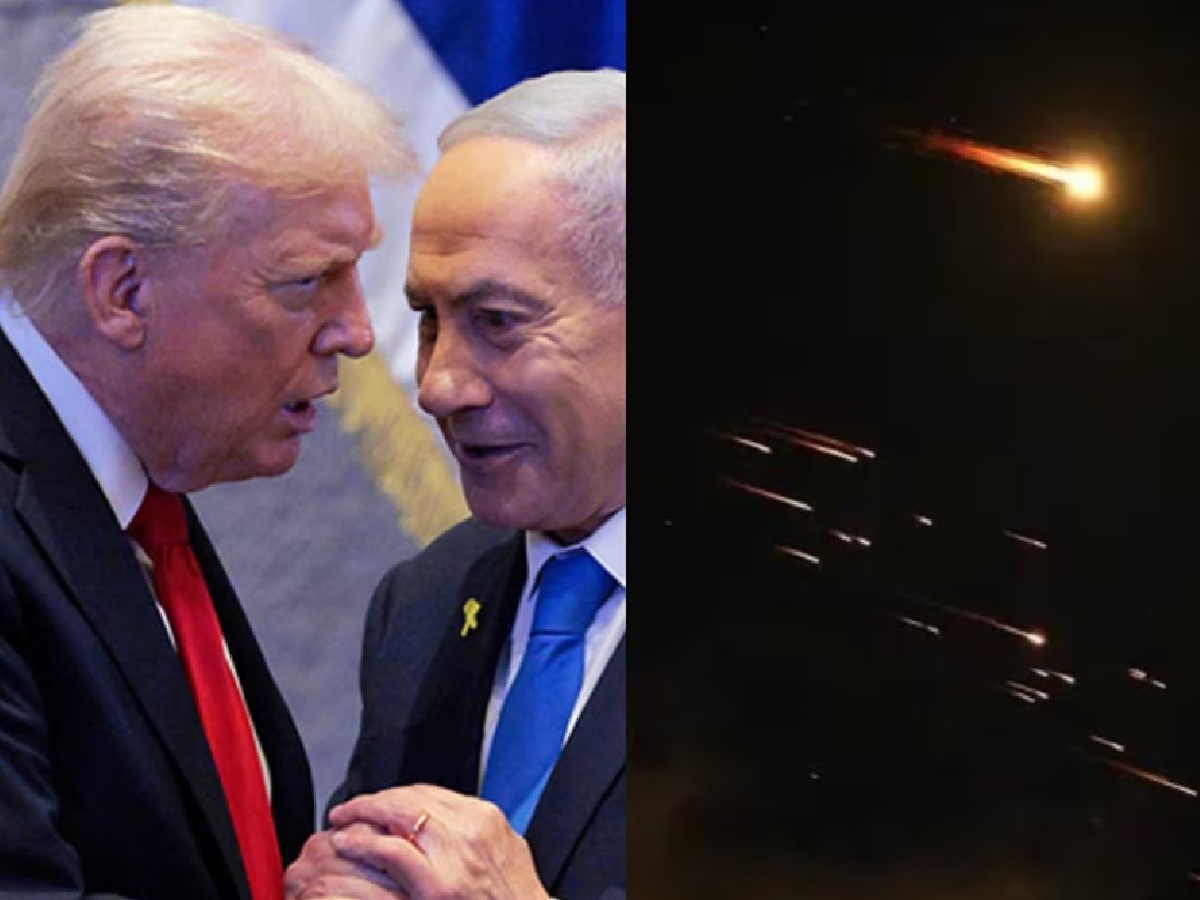
The geopolitical situation in West Asia has escalated dramatically as the United States renewed heavy airstrikes against Iranian military targets. This aggressive military move comes immediately on the heels of a high-stakes, closed-door meeting between US President Donald Trump and Israeli Prime Minister Benjamin Netanyahu at the White House. The renewed conflict was triggered after Iran launched a massive barrage of ballistic missiles targeting US military installations stationed in Jordan. Although American defense shields successfully intercepted and shot down all incoming missiles mid-air, the direct provocation drew a swift and severe military response from Washington, pushing regional stability to the brink once again.
Inside the Trump-Netanyahu White House Summit
The high-profile meeting between President Trump and Prime Minister Netanyahu in the Oval Office lasted approximately ninety minutes and marked their first face-to-face consultation since the US-Iran conflict erupted in February. Despite past public tensions and disagreements over strategic approaches in the region, both leaders presented a unified front following their discussions. Emphasizing complete solidarity on the Iranian threat, officials from both the White House and the Israeli government dismissed claims that Israel was pressuring Washington into military action. Instead, both administrations reiterated that their shared objective remains laser-focused on preventing Iran from developing nuclear weapons capabilities.
US Central Command Retaliates While Saudi Arabia Joins Regional Action
Acting swiftly after the failed missile barrage in Jordan, the US Central Command (CENTCOM) initiated coordinated airstrikes against strategic Iranian military infrastructure starting at 8:00 PM local time. President Trump had earlier issued a stern and uncompromising warning, declaring that Tehran would pay a very heavy price for targeting American personnel. This military escalation follows the breakdown of a short-lived June agreement and a fierce two-week bombing campaign by the US in July. Compounding regional pressures, Saudi Arabia actively joined the front, partnering with the US to carry out targeted airstrikes in Iraq against logistics and weapons depots belonging to the Iran-backed Popular Mobilization Forces (PMF), resulting in significant casualties.

_405089330_351x234.jpg)



_2067304308_351x234.jpg)
_1580345427_351x234.jpg)