


Backchannels Active: Qatari Negotiators Land in Tehran to Rescue Stalled U.S.-Iran Talks Post-Ceasefire Collapse
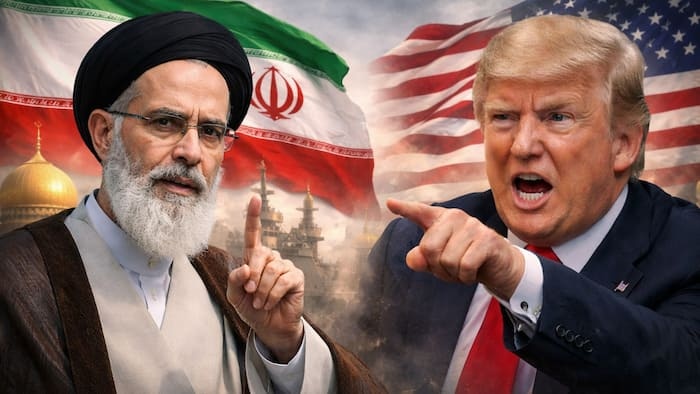
In a high-stakes diplomatic manoeuvre to prevent an all-out war in West Asia, a senior delegation of Qatari negotiators arrived in Tehran on Friday, July 10, 2026. Working in direct, confidential coordination with Washington, Doha is making a furious push to establish terms for a de-escalation window and rescue what remains of the collapsed U.S.-Iran peace framework.
The emergency intervention follows a brief, temporary lull in heavy fighting after a week of intense, multi-front military engagements that shattered the previous month's agreements.
The Strategy of Forced Pauses: Leverage via Target Lists
According to diplomatic sources cited by CNN, the White House is deploying a dual-track strategy of tactical containment. A senior U.S. official revealed that the administration is purposely carrying out sharp, limited precision strikes followed by deliberate operational pauses. This military rhythm is engineered to degrade Iran's immediate offensive capabilities while leaving open a window for active backchannel diplomacy.
The U.S. military is maintaining a highly comprehensive list of potential targets inside Iran—including air defence batteries, coastal radar arrays, and drone production nodes along the Persian Gulf—using the threat of further strikes as leverage. While extensive plans for a multi-week bombing campaign remain locked and loaded, the Trump administration has agreed to allow Qatari mediators the opportunity to establish diplomatic traction first.
Public Rhetoric vs. Behind-the-Scenes Realities
The arrival of the Qatari delegation highlights a stark contrast between fiery public posturing and quiet backchannel dealmaking. On the public stage, President Donald Trump used his social media platform, Truth Social, to decisively declare the 60-day maritime truce dead, writing in no uncertain terms that the ceasefire is officially "over" for the United States.
Concurrently, inside Tehran, Iranian Parliament Speaker Mohammad Bagher Ghalibaf struck a deeply defiant tone, stating that the Islamic Republic maintains "zero trust" in Washington and remains fully prepared for a "full-scale defence."
Yet, beneath the aggressive public warnings, both nations have quietly engaged with Doha. Trump himself acknowledged that Tehran had formally requested a continuation of dialogue, an overture the United States accepted even while maintaining that the strict terms of the previous ceasefire no longer bind its naval forces.
The Core Stumbling Blocks: Hormuz and Assets
The immediate objective for the Qatari mediators is to find a middle ground on the core issues that triggered the latest outbreak of hostilities:
Maritime Security: Resolving the immediate blockade threats in the Strait of Hormuz, where the U.S. alleges Iran executed drone and mine strikes against commercial shipping tankers, leading to U.S. retaliatory strikes on 90 military targets.
Asymmetric Retaliation: Addressing the aftermath of the IRGC's missile counter-strikes targeting U.S. operational outposts, including a 10-ballistic-missile strike directed at the Al-Azraq base in Jordan, alongside secondary deployments affecting bases in Kuwait and Bahrain.
Financial Deadlocks: Finalising terms for implementing the June 17 14-point interim accord, which included disputes over the release of $6 billion in frozen Iranian assets and long-term nuclear enrichment limitations.
Joint Diplomatic Mobilisation Across Regional Hubs
As Qatar fields technical delegations in Tehran, other regional powers are moving quickly to amplify the de-escalation push. Egyptian Foreign Minister Badr Abdelatty held an extensive emergency phone conference with Qatari Prime Minister and Foreign Minister Sheikh Mohammed bin Abdulrahman Al Thani.
According to an official statement released by Cairo's foreign ministry, both leaders issued an urgent, unified appeal to Washington and Tehran, calling on all active combatants to prioritise dialogue and return to the formal negotiating table before the shipping chokepoints face structural disruption.
Whether Doha can successfully bridge the massive trust gap remains highly uncertain, but for now, the backchannels represent the final line of defence against an uncontrolled regional escalation.


_1017940024_351x234.jpg)
_1710951429_351x234.jpg)
_707133823_351x234.jpg)
_1964009516_351x234.jpg)