

 Ziya
Ziya Share
Share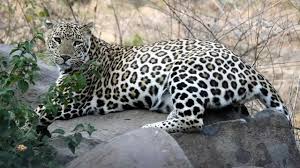
A startling new report from the Uttarakhand Forest Department has revealed a massive surge in the leopard population across the hill state. The data suggests that the number of leopards in certain forest ranges has nearly quadrupled over the last decade, far exceeding the natural "carrying capacity" of the habitat. This demographic explosion has triggered a dangerous rise in human-wildlife encounters, leaving local communities in a state of constant fear.
The "Capacity" Crisis in the Hills Wildlife experts explain that as leopard numbers multiply beyond what the forests can sustain, younger and weaker leopards are being pushed out of the core forest areas into human settlements in search of food and territory. This "spillover effect" is the primary reason why leopards are now frequently spotted in residential courtyards, school premises, and village outskirts in districts like Pauri, Almora, and Tehri Garhwal.
Rising Attacks and Fatalities The statistics are grim. In the first quarter of 2026 alone, Uttarakhand has recorded a significant spike in leopard attacks compared to previous years.
Children at Risk: The majority of victims are children and elderly individuals, often attacked during dawn or dusk.
Livestock Loss: Farmers are facing a double blow as leopards frequently prey on cattle, goats, and dogs, impacting the rural economy.
Forest Department's Response Faced with growing public anger, the Forest Department has intensified its monitoring efforts.
Drones and Camera Traps: High-tech surveillance is being used to track "problem leopards."
Expansion of Enclosures: Plans are underway to build more rescue centers and transit facilities for captured big cats.
Public Awareness: Villagers are being advised to move in groups and ensure proper lighting around their homes at night.
The Solution: Sterilization or Translocation? The surge in population has reignited the debate over leopard management. While some experts suggest sterilization to control the birth rate, others advocate for better "prey-base management" within the forests to keep the predators away from villages.