UP BJP Denies Viral 209-Seat Candidate List
As political activity intensifies across Uttar Pradesh in the lead-up to the highly anticipated assembly elections, rumor mills and social media platforms frequently become hotbeds for speculative political reporting. Over recent days, political circles and digital news feeds were abuzz with claims that the Bharatiya Janata Party (BJP) had finalized a tentative list of 209 candidates, sparking intense speculation and premature lobbying among hopeful aspirants.
In response to the mounting chatter, the Uttar Pradesh unit of the BJP has stepped forward to set the record straight. Issuing a firm and unequivocal official clarification, the state leadership branded the viral list as completely baseless, fake, and misleading, emphasizing that no such candidate list has been compiled by the state organization or transmitted to the central leadership in New Delhi.
Official Press Release and Leadership Rebuttal
The state party apparatus released an official press statement addressing the circulation of the fabricated candidate list. The communication explicitly stated that the formal candidate selection process for the upcoming assembly elections has not even commenced.
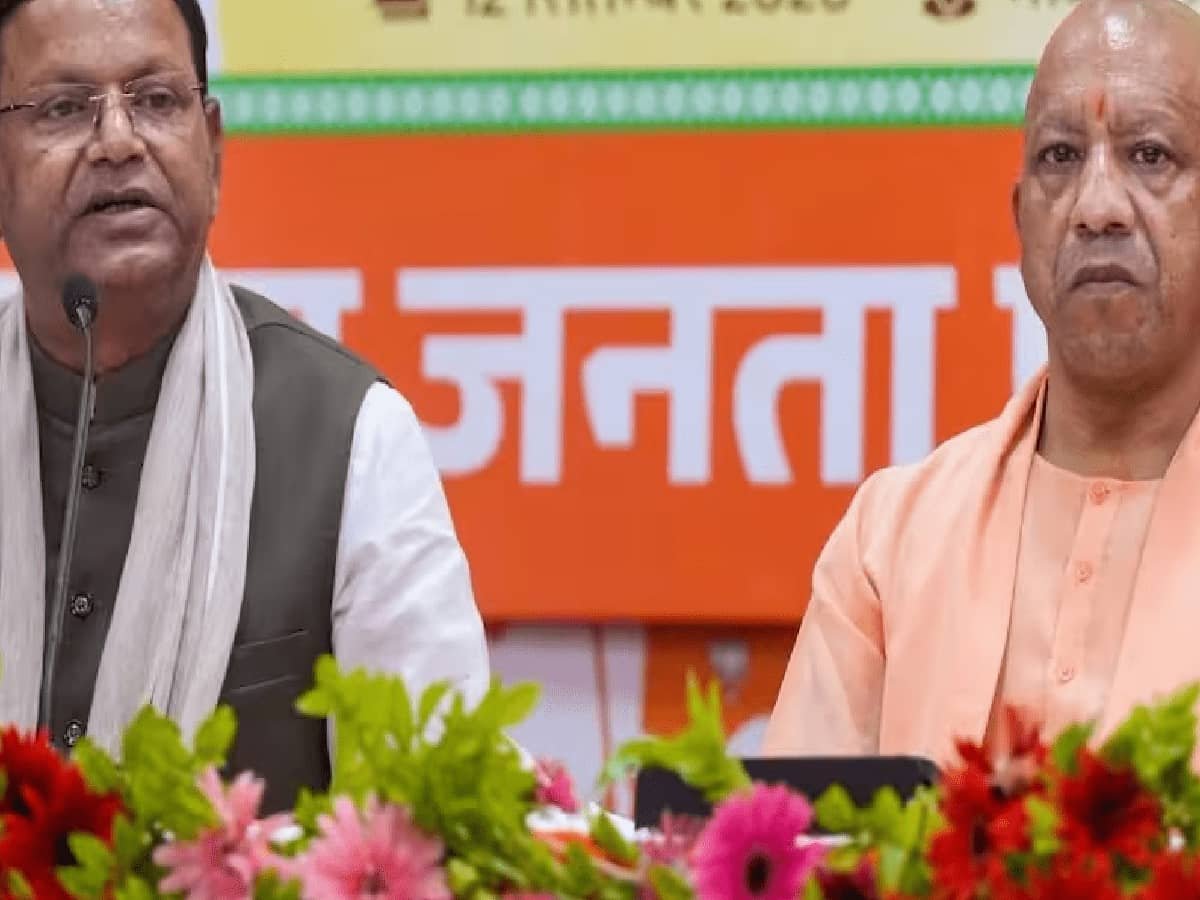
Reiterating the party's official stance, Uttar Pradesh BJP President Pankaj Chaudhary dismissed the reports with utter incredulity, publicly questioning the origins of the viral document. Speaking to reporters and party cadres, Chaudhary stated that he had no idea where the figures or names in the purported 209-seat list were generated.
Furthermore, the state leadership issued a direct advisory to party workers, volunteers, and local office-bearers, urging them not to fall prey to malicious rumors or unverified social media forwards. Cadres were instructed to rely solely on formal press releases and official announcements disseminated through verified party channels.
How the BJP Decides: Demystifying the Ticket Allocation Process
To counter the narrative of backroom deals or arbitrary decision-making often associated with viral lists, the BJP leadership took the opportunity to explain the meticulous, institutionalized protocol governing ticket distribution within the party.
Unlike dynastic or centralized political outfits where candidate selection is often dictated by a handful of individuals, the BJP relies on a multi-tiered, democratic organizational structure:
Grassroots Consultations: The process initiates at the foundational block and district levels, gathering detailed feedback, local winnability assessments, and recommendations from party workers.
Regional Evaluation: District-level inputs are subsequently reviewed by regional committees to analyze caste equations, local issues, and regional political dynamics.
State Core Committee Review: The compiled recommendations are vetted by the state election committee and core leadership, involving extensive deliberations with senior leaders, including Chief Minister Yogi Adityanath and state president Pankaj Chaudhary.
Central Parliamentary Board Approval: Final vetted names are forwarded to the party’s apex Parliamentary Board in New Delhi, which makes the ultimate decision on candidate allocations.
"Ticket allocation within the BJP is not decided by a single individual," Chaudhary emphasized during discussions on the party's operational ethos. "Final decisions are made collectively after structured discussions at various levels within the organization."
Strengthening the Groundwork: Constituency In-Charges and Strategy
While dispelling rumors regarding candidate lists, the ruling party has maintained sharp focus on actual organizational groundwork. As part of its aggressive preparation for the upcoming electoral battle, the BJP recently released a comprehensive roster of constituency-level in-charges assigned across the state.
Internal party directives indicate that experienced organization members—including leaders who have completed three successful tenures within party structures—will be strategically deployed to manage key constituencies, leveraging their administrative and grassroots experience to fine-tune campaign mechanics.
With political heavyweights like the BJP, the Samajwadi Party, and other regional contenders ramping up their statewide campaigns, the political atmosphere in Uttar Pradesh is at a fever pitch. By swiftly neutralizing fake news and reinforcing transparent institutional processes, the ruling party aims to maintain internal cohesion and keep its cadres laser-focused on grassroots outreach as election day draws closer.