 Priyanka Tiwari
 Share
Share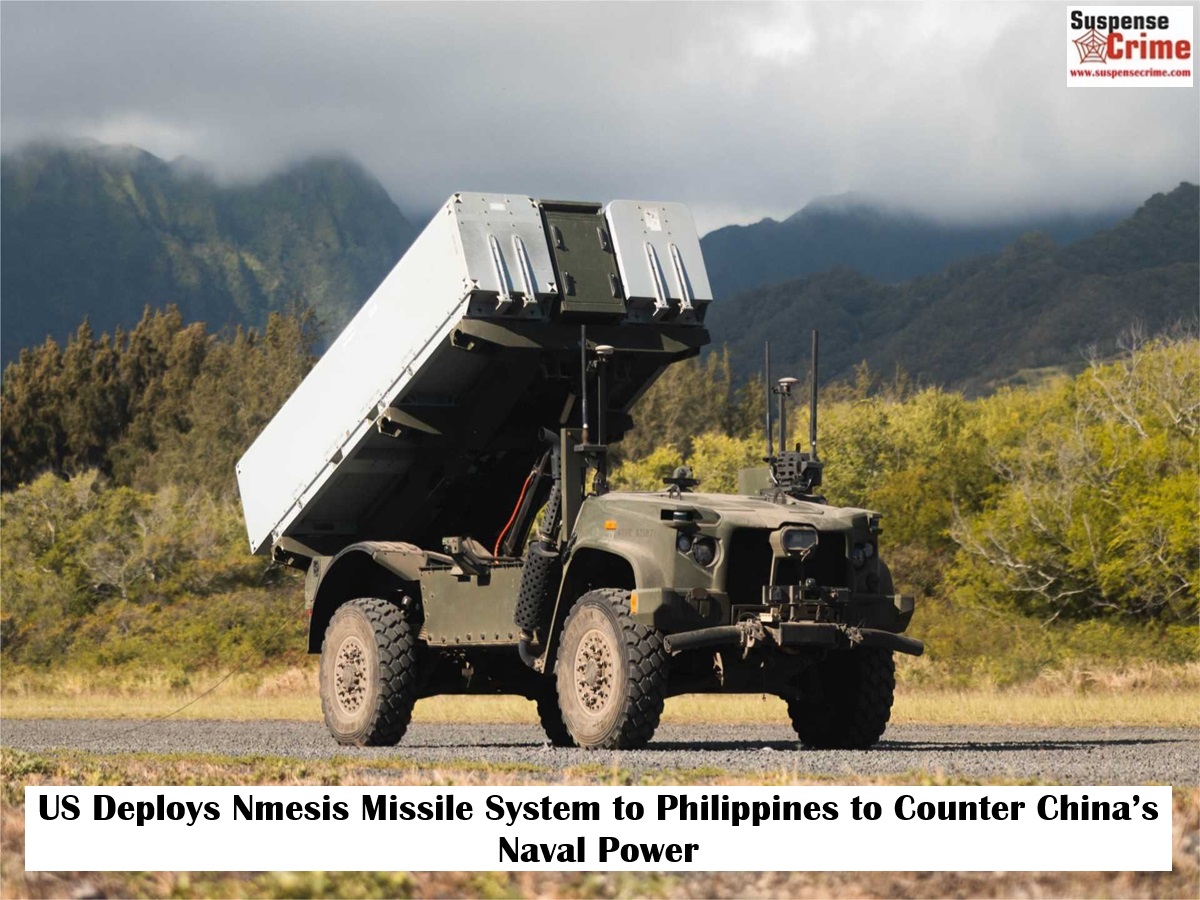
Suspense crime, Digital Desk : The Navy-Marine Expeditionary Ship Interdiction System (Nmesis) is an advanced system that has been deployed to Batan Island in the northern Philippines. It is located 120 miles from Taiwan. This deployment happened alongside the Balikatan military exercises set for 2025. A C-130 from the Air Force brought the system, which underscores the American focus on imposing greater deterrence in the Indo-Pacific region.
Striking China's Naval Reach with Missiles
It is also worth noting that the Nmesis possesses remote-operated launch capabilities, making it easier to conceal and avoid detection. The system can target and launch Norwegian Naval Strike Missiles at enemy vessels over 115 miles away. With Nmesis stationed on isolated islands, the United States will be able to bolster the threat to Chinese naval movements within striking distance of Taiwan and the South China Sea.
New Military Strategy: Mobility and Island Defense
The Marine Corps is also adjusting by developing lightweight, rapid-response units designed for operations in the Pacific. It is no secret that the United States has been preoccupied with conflicts in the Middle East for decades, permitting China to fortify its naval fleet. Deterrence needs to happen more from within the region, so these systems are being developed to counter pose better to Chinese threats.
Stealth and Agility in the Pacific Theater
Unlike other land systems such as the Himars, Nmesis is different, as it operates through unmanned trucks under human supervision. This design increases mobility and concealment. Marine Colon John Lehane said, “It can move around. It is hard to find.” This flexibility makes it particularly advantageous in the island territory of the Western Pacific.
Unpredictability as a Strategic Tool
Experts term this American approach a reorganized tactical shell game—moving missile setups regularly among islands to bamboozle planners from China’s military. “You keep the other side guessing,” explained retired Philippine Navy Vice Commander Rommel Ong. This confusion helps prevent aggressive acts by straining possibilities for enemy attack plans.
Marcos Jr has granted more access to US military forces to Philippine bases under the Enhanced Defence Cooperation Agreement (EDCA). These meant the US could store equipment and rotate forces through strategic areas. US troops are now getting used to the local setting, including the use of natural concealment tactics in case there is a conflict.
Nmesis Has Been Fully Deployed and is Now Operational
The 3rd Marine Littoral Regiment has completely deployed Nmesis in the Philippines. The system is no longer experimental. Col. Lehane said “where you see 3rd Marine Littoral Regiment you should expect that there are Nmesis with us.” The deployment underscores the reality that the US is getting ready to engage — and if necessary, contend — on islands throughout the Pacific.
Read More: Trump’s Shadow Looms Over Tehran: U.S. Issues Sharp Warning to Iran Amid Lebanon Ceasefire