Priyanka Tiwari
 Share
Share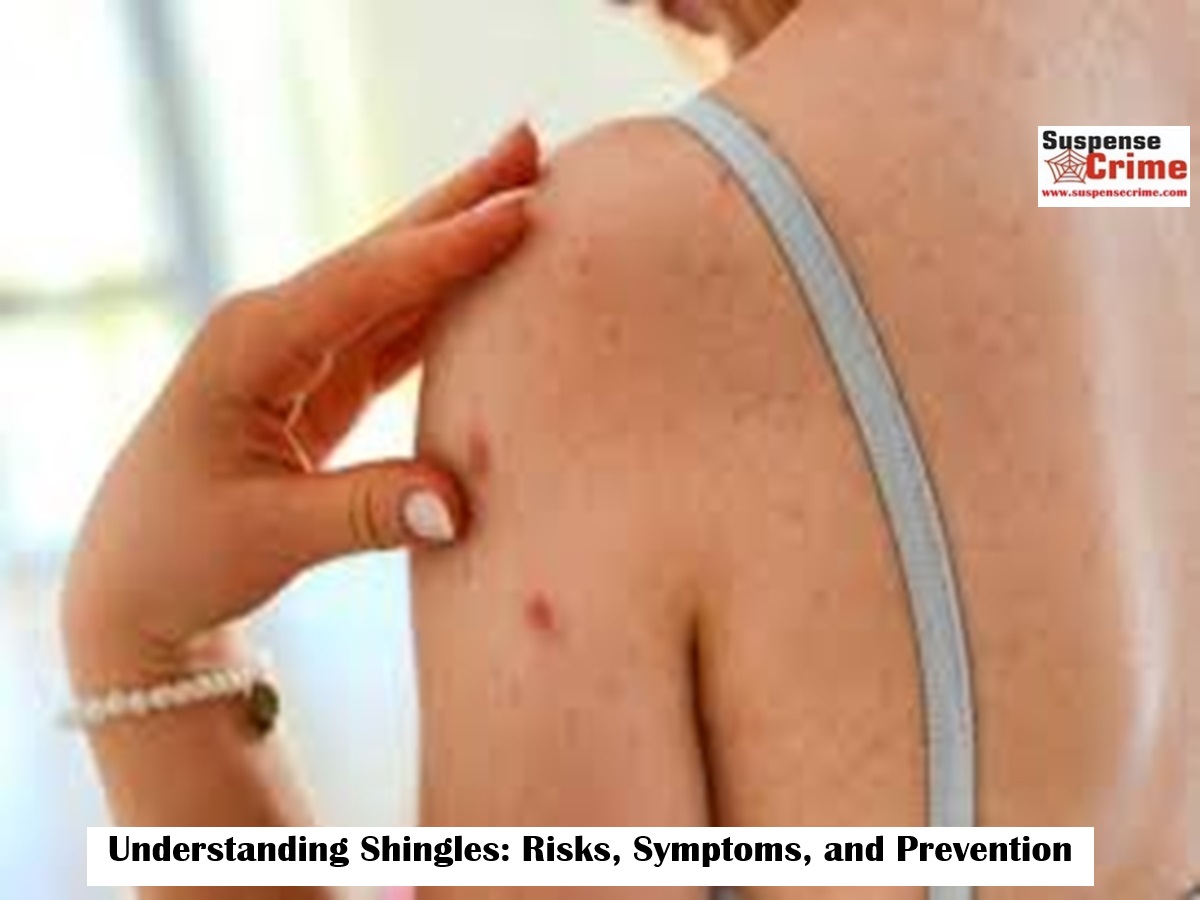
Suspense crime, Digital Desk : Shingles is a painful condition that occurs due to the reactivation of the varicella zoster virus which is dormant in the body after the person has suffered from chickenpox before. It often manifests as a blistering rash on one side of the body and can appear years after the chicken pox has been cured.
Causative Factors and Risk Factors Latent
According to Dr. Sanjeev Chaudhary, Chairman of Cardiology at Marengo Asia Hospital, underlying chronic conditions as well as advanced age can severely weaken the immune system which usually keeps the virus dormant. In some cases, the use of immunosuppressive medication can cause the virus to reactivate. The key risk include but are not limited to:
Over the age of 50
Chronic health conditions
Weakened immune system and
Prolonged use of steroids or immunosuppressants
Recognizing Symptoms
The initial symptoms of shingles are usually an itching or a tingling in a particular region that is then followed by a painful rash which can last for several days. Even in mild cases, the pain can be too much to bear. Other symptoms that one may encounter include but are not limited to:
Red rash accompanied with blisters
Burning pain that is followed by tingling
Even extreme fatigue can occur
Pain in other body parts such as the heart or kidneys
Paralysis of the facial muscle occurs when the virus damages some cell on the face that is known as ganglion and damages the optic eye is causes vision impairment. These symptoms mimic a stroke.
Shingles and Your Heart
New studies have shown that shingles may have an association with heart health. Dr. Chaudhary says shingles patients, for example, are at a 30% greater risk for major cardiovascular events like heart attacks or strokes within the first week of being diagnosed.
What Is the Cause of the Risk?
It is thought that the virus itself causes some degree of inflammation and damage to the blood vessels which predisposes the individual to cardiological complications down the line.
Contagious Nature and Misunderstandings
While shingles themselves cannot be contracted from another person, the blisters associated with shingles are infectious, as they contain the varicella zoster virus. This is chickenpox in those who have not received the illness or the vaccine.
Prevention: Vaccination for Shingles
It is clear from the information provided above that prevention is always better.
The CDC suggests adults over the age of fifty should receive two doses of the shingles vaccine. After receiving the vaccine, individuals have over a 90% chance of developing shingles and its complications.
Vaccine Effectiveness:
Lessens the chances of developing shingles and post herpetic neuralgia
Might reduce the risk of cardiovascular diseases that are associated with shingles
Improves immunity in the long run
_1412932328_100x75.jpg)