Priyanka Tiwari
 Share
Share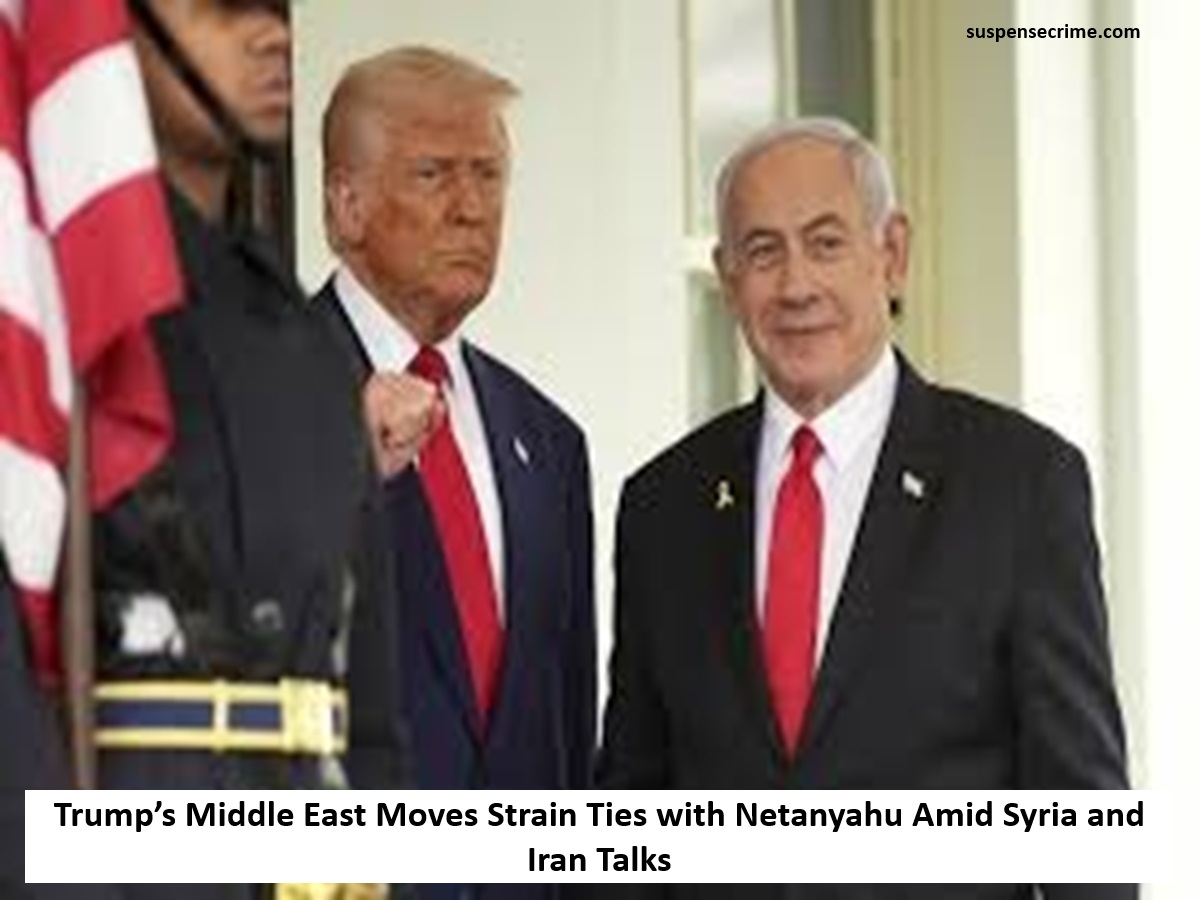
Suspense crime, Digital Desk : The Middle East trip of the President of the United States, Donald Trump, marks a deepening rift with israeli Prime Minister Benjamin Netanyahu, as some of the primary diplomatic moves such as hostage release, renewed contact with Syria, and Iran discussions all took place with little consultation with Israel.
Hamas freed Edan Alexander, an Israeli American hostage, as part of a deal with the US. Strikingly, Netanyahu only found out about the deal after it was already settled. During his flight back, he declared, “Thank you, President Trump,” illustrating to the world who was in control and who was relevant in the negotiation and decision making process.
Change in US Strategy relating to Syria and Yemen Draws Dire Concern from Israel
Trump describing the Al Sharaa as young and attractive but a jihadist, accompanied by the cessation of sanctions on the region brought aside the official stance of Israel. Seeing the al Sharaa as a threat is purely Israel's opinion, as the Us President brought a more casual approach, labeling him a “fighter.”
Settlement Trump negotiated with the Iran aligned Houthi rebels invading Israel unnerved Israeli administrators as they now must deal with the threat themselves so the US sanctions on Syria.
US Prioritizes Gulf Alliances Over Longstanding Israeli Worries
While aligning with Netanyahu on Gaza and Hamas, Trump’s recent focus on Saudi and Qatari relations indicates a bigger shift in America’s regional focus. An Israeli official noted, “Israel doesn’t have a trillion dollars to invest in the US. The Saudis and the Qataris do.”
Abraham Accords Lose Momentum Amid Gaza Conflict
Momentum towards the Abraham Accords has faltered in recent months. Following Trump’s efforts to normalize Israel’s relations with other Arab states in 2020, Saudi Arabia has now conditioned its recognition of Israel on Palestinian statehood and cessation of the Gaza war—terms Netanyahu currently doesn’t support.
Sources state Saudi leaders did not respond when he referenced the accords during his visit to Riyadh. Neighbors close to Netanyahu have been quoted saying “They don’t love it and they’re not happy.”
Israeli Officials Frustrated by Trump's Approach
Netanyahu’s administration seems particularly worried about the unpredictable nature of Trump’s diplomacy. Likud minister Dudi Amsalem attacked the US for not coordinating the Alexander release with Israel, "Everyday, as we know, Trump wakes up on a different side.”
While downplaying Israel's role, Trump claimed he was single-handedly responsible for the hostage’s return, saying Israel had ‘nothing to do with it.’ He claimed his decision on Syria was influenced by Turkish President Erdoğan and Saudi Crown Prince Mohammed bin Salman, informing Israel only after the fact.
Iran Deal Poses A Major Challenge
Moreover, Trump negotiating with Iran has heightened tension for Israel. The talks now contemplate permitting Iran a limited nuclear enrichment program—Netanyahu's a strict no-go. While US negotiators are said to be stubborn, as of the current meetings in Muscat, it is unclear if that position is sustainable.
One Israeli official said, “The Iranians were told in a straightforward manner that this is a red line. But will the US maintain that? I doubt. But it probably gives Bibi some comfort.”
Read More: Donald Trump Sparks Fury After Sharing Controversial Hellhole Post Targeting India