 Priyanka Tiwari
 Share
Share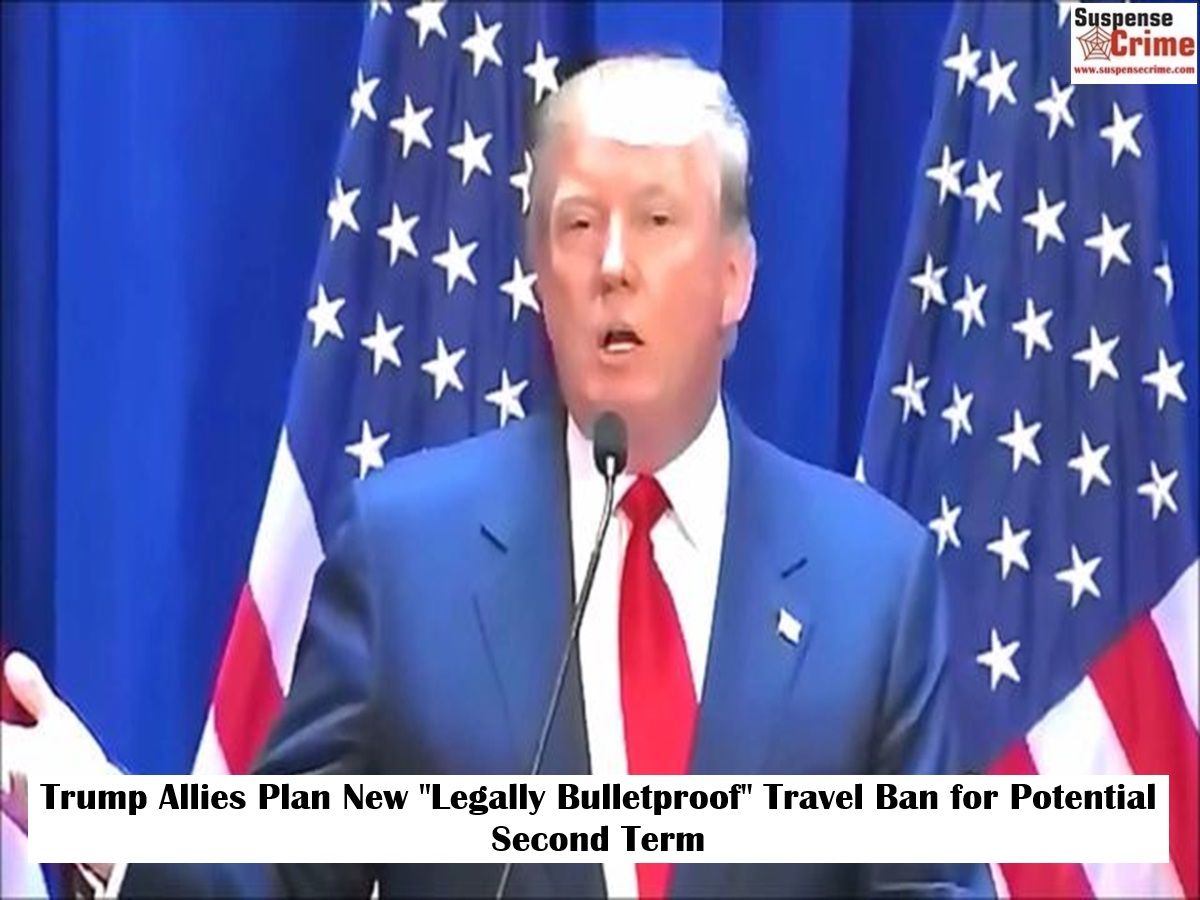
Suspense crime, Digital Desk : Allies of former President Donald Trump are proactively drafting plans for a new, more aggressive travel ban to be implemented immediately if he wins a second term. Learning from the fierce legal battles that plagued his first attempt, this new strategy is being designed to be more "legally bulletproof" by focusing on ideological screening rather than a blanket ban on nationalities.
The effort is being led by key figures from his first administration, including former senior advisor Stephen Miller. The proposed ban would utilize Section 212(f) of the Immigration and Nationality Act, which grants the president broad authority to suspend the entry of any foreigners deemed "detrimental to the interests of the United States."
Unlike the controversial 2017 travel ban, which was widely criticized as a "Muslim ban" and faced immediate court challenges, this new version would be more targeted. Instead of barring all citizens from specific countries, it would focus on restricting individuals based on their ideological leanings, such as perceived "anti-American" or "antisemitic" beliefs.
To avoid the legal pitfalls of the past, the plan would include a more robust system of waivers and exceptions. The chaotic rollout of the first ban, which was hastily written and implemented, resulted in numerous lawsuits arguing it was discriminatory and lacked a clear process for exemptions. By building in these legal off-ramps from the start, planners hope to shield the policy from successful legal challenges.
This proposed travel ban is part of a much larger, comprehensive immigration enforcement strategy being developed by conservative think tanks like the Heritage Foundation and the Center for Renewing America, under a plan known as "Project 2025." This broader agenda includes reassigning immigration judges and asylum officers to the southern border to drastically speed up deportations.
While a full list of targeted countries has not been released, former officials have mentioned nations like Somalia, Syria, Yemen, and Libya as potential candidates for the new restrictions. The core goal is to have these executive orders and policy frameworks fully prepared for "day one" of a potential Trump presidency, ensuring a swift and decisive implementation that avoids the disorganization of 2017.