The 14-Point Rejection: Why the U.S.-Iran Peace Deal Just Fell Apart
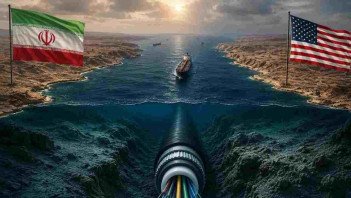
Efforts to cool down the boiling tensions between the U.S. and Iran hit a major wall this past Sunday. Iran finally responded to a 14-point peace proposal sent by the U.S. back on May 6th, but the answer wasn't exactly what Washington was looking for. According to Iranian state television, Tehran’s message was clear: if the war is going to end, it has to end on all fronts—including the conflict in Lebanon and the maritime standoff in the Strait of Hormuz.
Trump’s "Hard No" and the Market Reaction
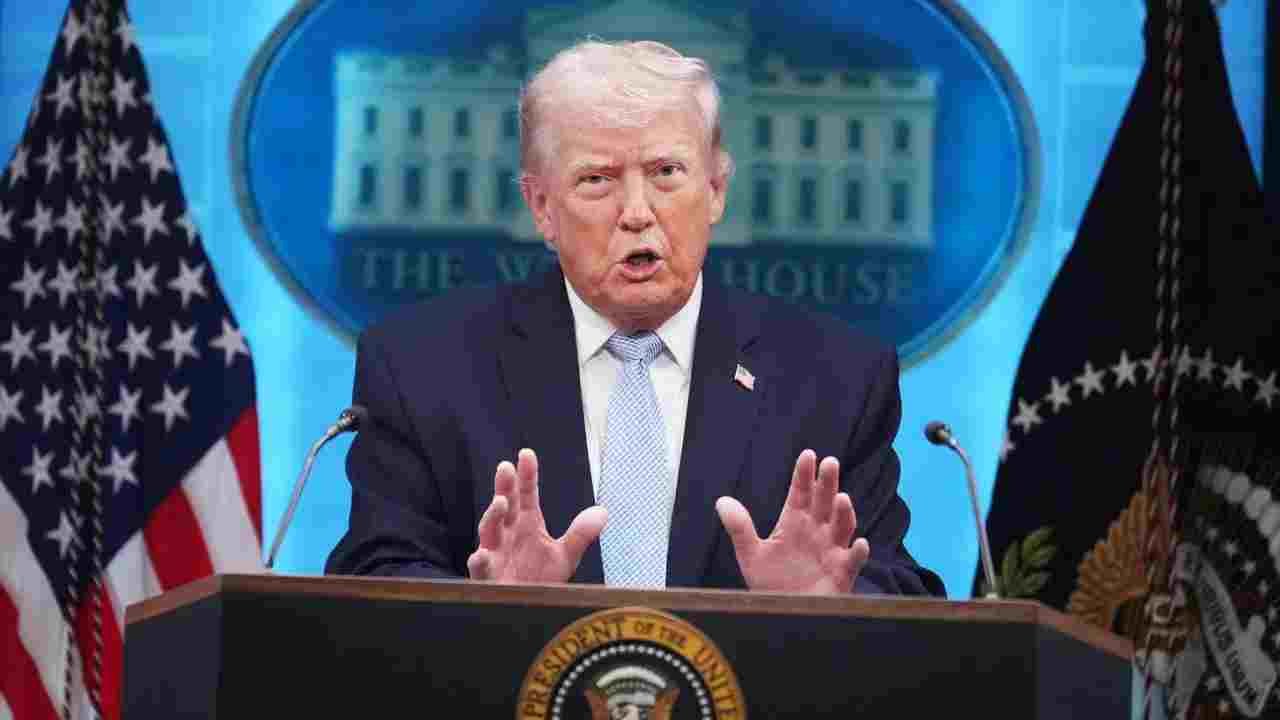
The response from the U.S. side was swift and blunt. President Donald Trump took to his social media platform, Truth Social, to voice his disapproval, stating he "didn't like it at all" and found the terms completely unacceptable.
This diplomatic breakdown immediately sent shockwaves through the global economy. Within hours of the news, crude oil prices jumped by about $3 per barrel. It’s a stark reminder of how sensitive the energy market is to these geopolitical tremors. After nearly ten weeks of conflict, the damage in Iran and Lebanon is mounting, and the disruption in the Strait of Hormuz is making shipping a nightmare for the rest of the world.
What Does Iran Actually Want?
Iran isn't just asking for a ceasefire; they’ve come back with a heavy list of demands. According to the Tasnim news agency, Tehran is seeking:
Financial Compensation: Damages for the losses suffered during the conflict.
End to Blockades: An immediate stop to the U.S. naval blockade and a lift on all economic sanctions.
Oil Freedom: The right to sell their oil without restrictions.
Security Guarantees: A formal promise that there will be no future attacks.
Interestingly, despite the tough talk, there’s a small window of negotiation. Reports from the Wall Street Journal suggest that Iran has offered to reduce some of its enriched uranium and ship the rest to a third-party country.
The Pakistan Link and a Glimmer of Hope at Sea
In a surprising twist of regional diplomacy, Pakistan has emerged as the primary middleman. It was a Pakistani official who confirmed they were the ones who physically delivered Iran’s response to the U.S.
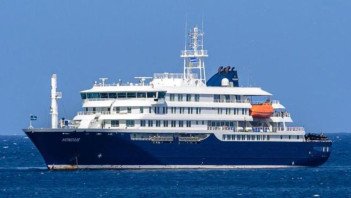
While the political rhetoric is heated, there was one sign of cooperation on the water. A Qatari LNG ship, the Al Kharaityiat, successfully navigated the Strait of Hormuz and reached Port Qasim in Pakistan. This was the first Qatari gas ship to make the trip since the war began on February 28th. It seems Iran allowed this as a gesture of goodwill toward Pakistan and Qatar.
Even with a ceasefire that’s technically been in place since April 8th, the atmosphere remains incredibly thin. With both sides standing their ground, the world is left watching the oil tickers and hoping for a breakthrough that doesn't seem to be coming just yet.



_124973916_351x234.jpeg)