 Priyanka Tiwari
 Share
Share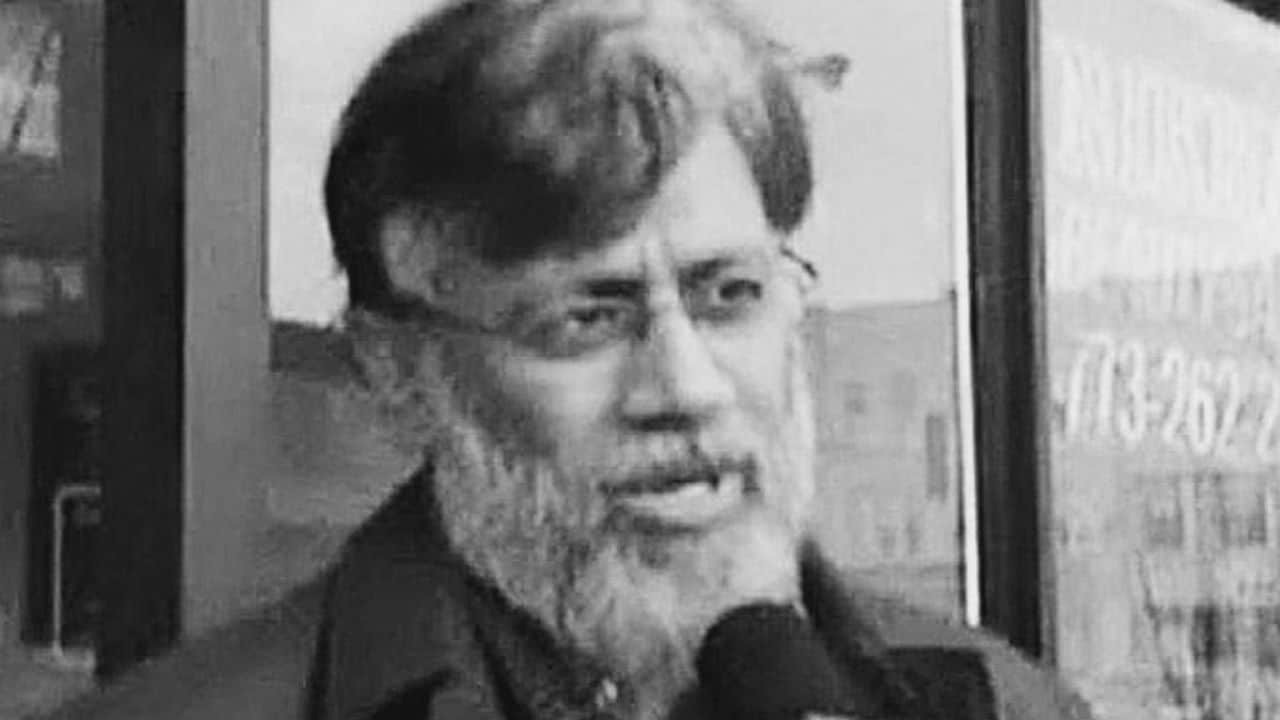
Tahawwur Hussain Rana, a Canadian national of Pakistani origin, was officially extradited to India on Thursday afternoon, marking a major step in the 26/11 Mumbai terror attack investigation. He arrived in New Delhi via a special flight, escorted by a team from India’s National Investigation Agency (NIA).
This move follows the US Supreme Court's dismissal of Rana’s final emergency plea on April 7, 2025, effectively removing all legal barriers to his extradition.
Who is Tahawwur Rana?
Rana, a businessman originally from Pakistan, is a known associate of David Coleman Headley, the Lashkar-e-Taiba (LeT) operative who carried out surveillance missions in Mumbai prior to the 2008 attacks. Headley is currently serving time in the US for his role in the terror plot.
Rana allegedly:
Assisted Headley in logistical planning
Used his immigration business as a front for espionage
Helped Headley disguise as a US national while gathering intel in India
While acquitted by a US jury in 2011 of direct involvement in the Mumbai attacks, Indian authorities continued pursuing his extradition based on new evidence.
Timeline of Legal Proceedings
The path to Rana’s extradition spans over 15 years. Key milestones include:
Oct 2009: Rana arrested by FBI; Headley pleads guilty in March 2010
2011: US jury convicts Rana in a Denmark-related terror plot
2013: Sentenced to 14 years in prison
2020–2025: Multiple appeals and hearings in US courts
Feb 2025: US Secretary of State Marco Rubio signs extradition order
Apr 2025: US Supreme Court dismisses final plea
India’s Charges Against Rana
The NIA named Rana in its 2011 chargesheet, and Mumbai Police added his name again in 2023. His role centers on aiding Headley’s activities, including reconnaissance of targets like:
Taj Hotel
CST Railway Station
Chabad House
Oberoi Trident
The trial will unfold under India’s special anti-terror court, and authorities expect to cross-examine him using testimony and evidence collected over the years.
Diplomatic and Political Reactions
Pakistan’s Foreign Office distanced itself from Rana, claiming he hasn't renewed Pakistani documents in two decades and is a Canadian citizen.
Indian political leaders, including BJP MP Manoj Tiwari, hailed the extradition as a success of the Modi government's “zero tolerance” approach to terrorism.
What Happens Next?
Now that Rana is on Indian soil:
He will be presented before a special NIA court.
Legal proceedings based on NIA's and Mumbai Police's chargesheets will begin.
His testimony may offer insights into ISI involvement and help track other accused still in Pakistan.
Rana's extradition is expected to strengthen India’s case against Pakistan-sponsored terrorism and offer potential breakthroughs in identifying the broader 26/11 terror network.
Read More: Assam Elections 2026: Akhilesh Yadav Slams Himanta Biswa Sarma Over ‘Beef Statement’ Controversy