Ziya
Ziya Share
Share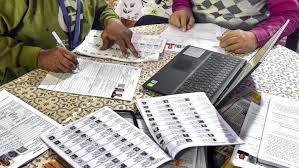
In a significant legal development regarding the electoral process, the Supreme Court of India has refused to interfere in a petition concerning the removal of certain West Bengal election duty officers from the voters' list. This decision comes at a critical juncture, emphasizing the judiciary's stance on the administrative boundaries of the Election Commission during an active election cycle.
The Core of the Petition: Why Officers Were Removed
The petition brought before the apex court alleged that several government officials assigned to election duty in West Bengal found their names deleted or shifted from the electoral rolls. The petitioners argued that this disenfranchised individuals who were essentially the backbone of the democratic exercise, preventing them from exercising their own right to vote while they managed the booths for others.
The Supreme Court’s Stance: Why It Refused to Intervene
The bench, while hearing the matter, maintained a cautious approach. Historically, the Supreme Court and High Courts refrain from intervening once the electoral process has commenced, as per Article 329 of the Constitution. The court indicated that the Election Commission of India (ECI) is the constitutional authority responsible for the purity and management of the rolls.
The Court suggested that such grievances should ideally be addressed through the standard machinery provided by the Election Commission or via election petitions after the conclusion of the polls, rather than mid-election judicial stay orders.
Impact on Election Duty Personnel
The removal of names from the voters' list is a sensitive issue for polling staff. Usually, election duty officers are entitled to vote via Postal Ballots or Election Duty Certificates (EDC). However, if a name is deleted from the primary roll, these alternative voting methods also become inaccessible. This legal setback means that affected officers may not have an immediate judicial remedy to restore their names before the final phases of voting.
What Lies Ahead for the Petitioners?
While the Supreme Court has closed the door on immediate intervention, the door remains open for a detailed post-election analysis. Legal experts suggest that if a large-scale discrepancy is proven, it could form the basis for challenging specific election results. For now, the administrative decisions of the West Bengal Chief Electoral Officer and the ECI remain final.