Spain vs Argentina Title Clash Turns Into Emotional 'Battle of Two Brothers' With Deep Cultural Roots
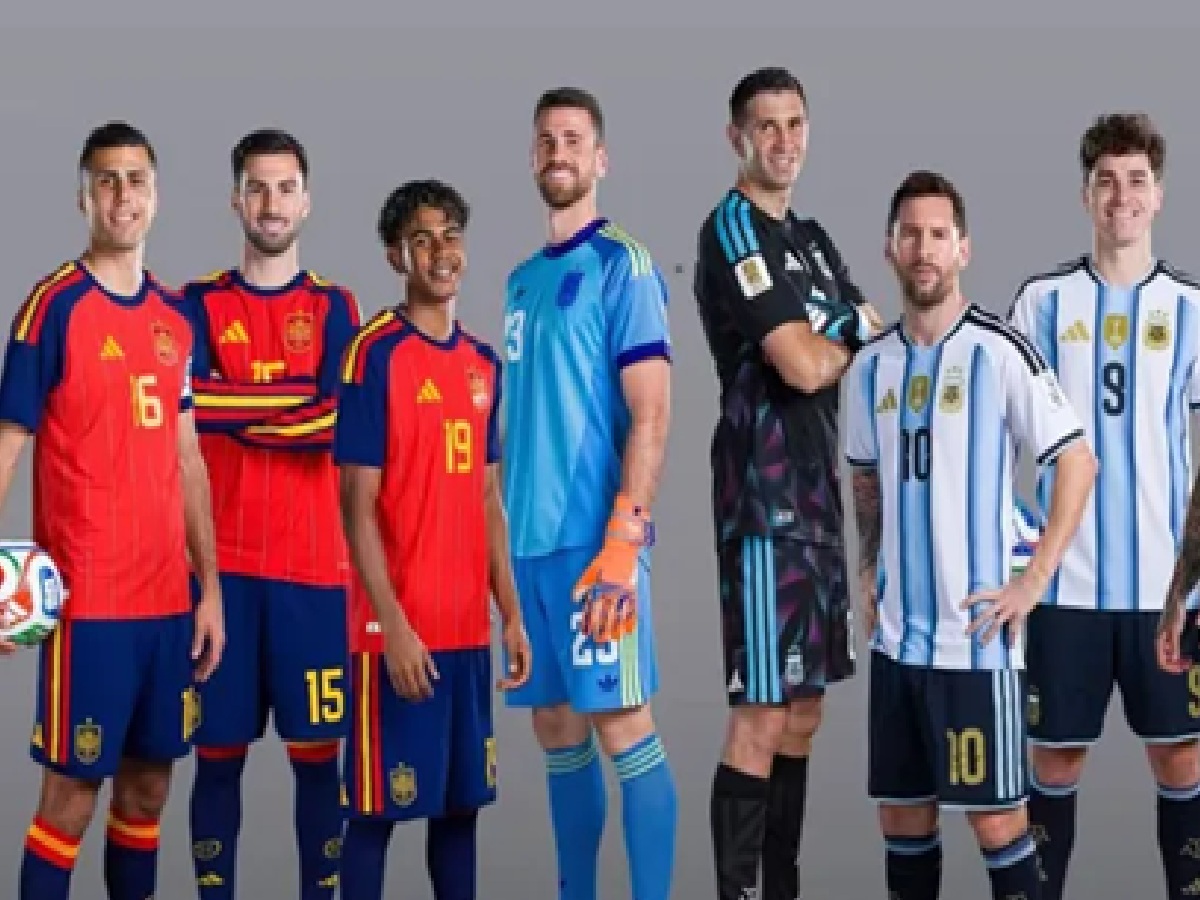
The stage is officially set for an epic, high-octane showdown as football giants Spain and Argentina advance to face each other in the monumental 2026 FIFA World Cup Final. Beyond the fierce sporting rivalry and the ultimate quest for global football supremacy, this highly anticipated title match is being profoundly described across the sporting fraternity as an emotional "Battle of Two Brothers" from the same linguistic and cultural family. Sharing centuries of interwoven history, a common language, and deep-rooted societal ties, both nations find themselves breathing heavily in anticipation of a match that transcends the boundaries of a traditional football pitch.
Grandfather-Grandson Heritage Dilemma: Fractured Loyalties Gripping Football Households Globally
For millions of households globally, this historic final has triggered an unprecedented emotional crisis, splitting family loyalties right down the middle due to shared generational migration. A classic example of this cultural dilemma is 75-year-old Juan Manuel Posada, currently residing in Argentina's vibrant capital, Buenos Aires. Born in Spain, Posada migrated to Argentina back in 1968, cementing a life built across both worlds. Caught in a beautiful dilemma ahead of the final whistle, he expressed that while his foundational heart remains firmly with Spain, he would still celebrate an Argentine victory without an ounce of sadness. Adding to the internal family drama, his young Argentine-born grandson has already extracted a firm promise from him to wear the iconic blue-and-white striped jersey if Lionel Messi’s legendary squad clinches the gold.
The Historic Spanish Foundations Of Buenos Aires: A Shared Legacy of Literature, Music, And Football
The profound cultural intersection between these two football powerhouses dates back to the very origin of Argentina's capital, Buenos Aires, which was historically established by a Spanish explorer before welcoming hundreds of thousands of Spanish immigrants over the subsequent centuries. This massive migration pipeline forged identical societal pillars, resulting in striking structural similarities across their contemporary literature, passionate music, global cuisine, and shared everyday colloquialisms. In modern times, the beautiful game has only deepened these unbreakable ties. The cross-continental football connection reached a historic peak when Argentine legendary icon Lionel Messi significantly influenced Spanish domestic football with his long-standing legacy, giving the sport a brand-new emotional dimension in both sports-crazy nations.
A Massive 96-Year Statistical Coincidence: Only The Second All-Spanish Speaking World Cup Final In History
From a statistical standpoint, the 2026 finale marks an incredibly rare milestone in international sports history. This encounter is only the second time in the entire 96-year history of the FIFA World Cup that two primary Spanish-speaking nations are competing against each other in the ultimate title match, replicating the iconic 1930 inaugural World Cup final played between Uruguay and Argentina. Meticulous historical records reveal that Spain and Argentina have surprisingly crossed paths only once before on the grand World Cup stage, dating back to the 1966 tournament group stage where Argentina emerged victorious. Consequently, the 2026 edition stands out as their first-ever direct confrontation in a World Cup Final match.
Navigating Modern Migration Dynamics: 450,000 Argentine Immigrants Face Supreme Identity Crisis In Spain
The geopolitical and economic realities of the past few decades have further intensified the narrative surrounding this epic fixture. Grappling with severe domestic economic fluctuations, waves of ambitious Argentine citizens migrated over the years to Europe to build sustainable futures. Spain naturally became the premier destination, currently serving as a welcoming home to a massive population of approximately 450,000 Argentine-born individuals. For this expansive, tightly-knit diaspora community, the high-stakes final presents a beautiful yet agonizing psychological dilemma, transforming the 90 minutes of gameplay into a profound celebration of their dual identity, shared heritage, and global football excellence.
_1308384291_351x234.jpg)
_1059936351_351x234.jpg)
_1108899043_351x234.jpg)