Priyanka Tiwari
 Share
Share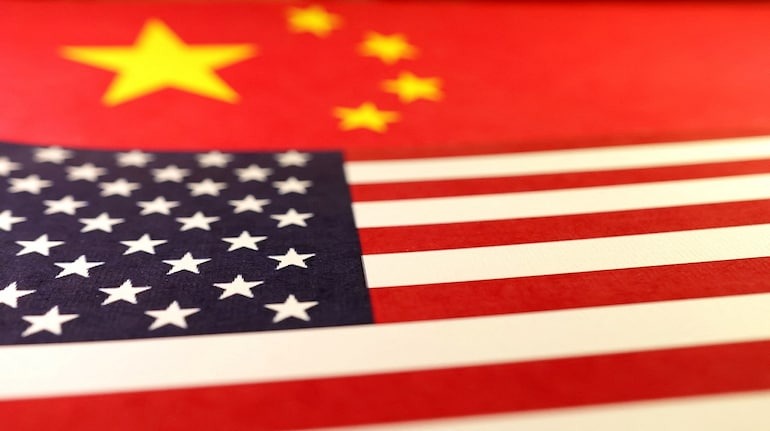
The decision made by the Trump administration to impose a 10% tariff on all imports from China is creating a huge level of uncertainty amongst small business owners, many of whom have their production pegged to Chinese factories. As per the reports in The New York Times, small business owners from different sectors are struggling with increased costs, along with potential supply chain disruptions and the danger of increased tariffs in the future.
Small businesses are left in a dilemma
Erica Campbell, who runs Be a Heart, a company dealing in religious gifts that is headquartered in Phoenix, is waiting for a shipment from China that includes thousands of religious items. Even though her latest order was placed well before the tariffs going up, she is not very optimistic about the future of her business due to increasing imports tariffs. Having hit revenue of $2 million, she is concerned that without changing the items costs, some of her consumers may become priced out.
“I don’t know what is set to happen,” Campbell shared. “I am being very careful.”
For millions of small companies, Trump’s tariffs with China have thrown many out of business. There are many American businesses that manufacture their products in the US, but there products are crafted overseas due to the affordability and quality of production. From greeting cards to specialty electronics, companies from virtually every sector seem to be in a rush to review their supply chains with the ever-growing amounts of inflation.
Small businesses are likely to take the hardest hit due to tariffs.
Although Trump claims that China is the one suffering the most from the tariffs, a number of small businesses contest that the burden is on American corporations. When tariff rates increase by 10% set firms are left with two choices, either absorb the costs or mark prices up.
Bill Keefe and Juli Lee, owners of Julianna Rae, a high end silk sleepwear company, have already begun feeling the brunt of this. Their silk pyjamas and robes are all made in China, which puts them at risk of missing crucial sales periods such as Christmas or Valentine’s Day if they are reluctant to change their Trump related policies.
Looking for substitutes is quite challenging
Many companies cannot move their production facilities to the US or other countries. China offers the best combination of equipment, skilled labour, and cost-effective production. It does not make financial sense to relocate. Keefe elucidated, “The best expertise, the capability to make quality products at a good price, is in China.”
Chris Miksovsky, CEO of Humangear, a company that produces outdoor travel gear, attempted to shift towards domestic production. He tried reaching out to six different US manufacturers only to be met with extremely delayed or no response at all. His assessment is that the US has neither the ability nor the willingness to produce much of what they import from China.
The utilization of dual tariffs generates added complexities.
Snap Supply's co-owner Shawn Ernst claims to have already altered his supply chain to Mexico due to the hefty tariffs placed on imports from China. With additional tariffs on steel and aluminum, coupled with the levying of tariffs on Mexican imports, most American companies are becoming sandwiched economically. Ernst states that he is concerned that the added costs will force him to sell his products at a price that renders him uncompetitive against Chinese sellers on Amazon. This predicament would force him to reduce his workforce or increase his prices, both of which are far from ideal.
Small business owners are at their wits end with how to go about things next. Larger firms like Campbell's face a daunting task as inflationary prices results in losing clientele while also attempting to make a profit from non-essential items. This, coupled with increased tariffs in the near future does not help small businesses cope in the real world, either.
“I don’t think people get what that looks like,” Campbell said. “Not only for my business but in life – how are we going to be able to afford this because everything comes from China?”
As small businesses have started to thrive all over the country, a new concern has emerged: how to manage one’s business amid the growing trade war and implement measures to protect one’s trade against increasing taxes.
_1359883337_100x75.jpg)
_1550774716_100x75.jpg)
_518702411_100x75.jpg)