 Priyanka Tiwari
 Share
Share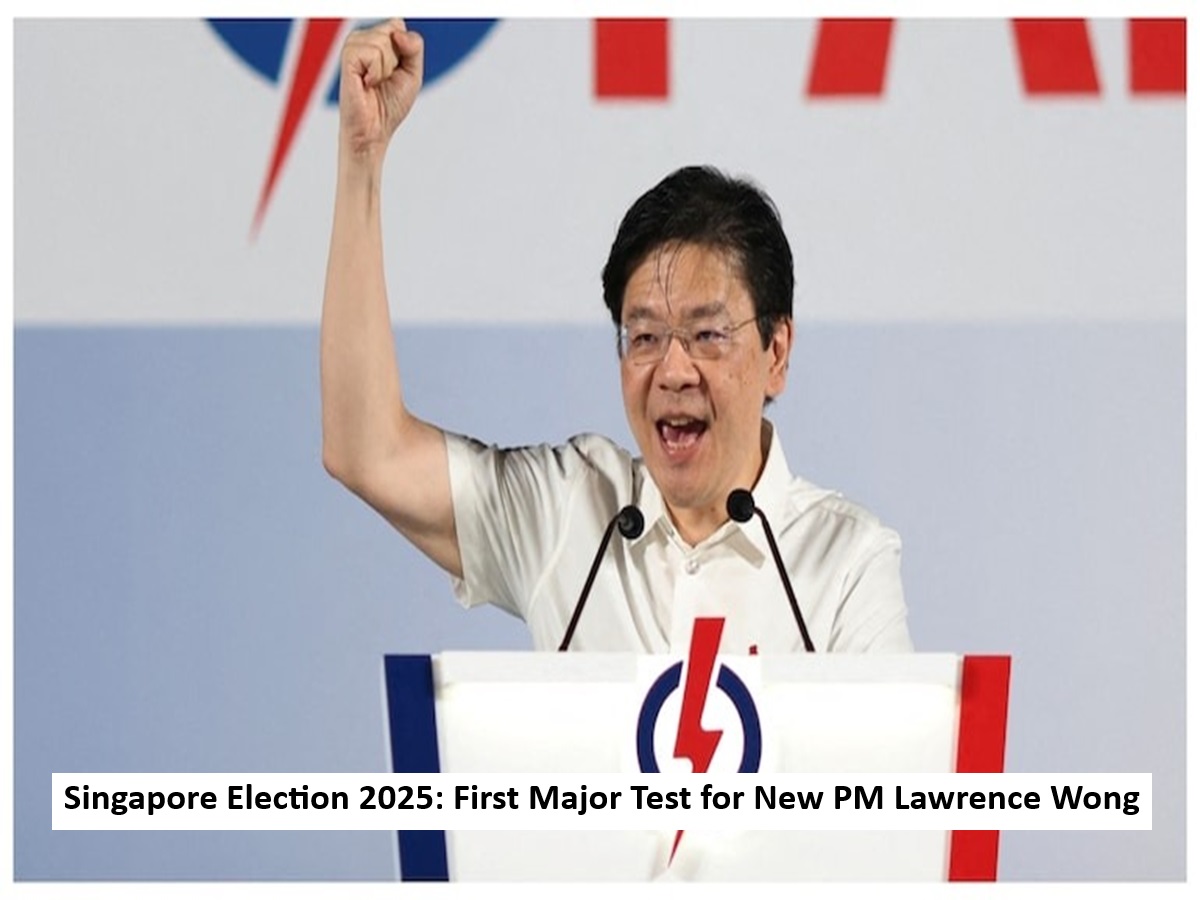
Suspense crime, Digital Desk : The next parliamentary election in Singapore will be on May 3, which serves as another key political milestone for Prime Minister Lawrence Wong. The former finance minister succeeded Lee Hsien Loong not long ago, and it's with the People’s Action Party (PAP) that he faces what is projected to be yet another ceremonial election reaffirming their rule in Singapore spanning decades.
The PAP is gunning for all 33 constituencies which accounts for 97 parliamentary seats. Having a reputation of providing stable governance, economic might, as well as sound policies, it is no surprise that the PAP is the dominant force in Singapore’s political landscape. Almost half out of the total 211 candidates are party members.
Fragmented but with some light
The set of parties other than the PAP are expected to lose these elections, but some believe there’s room to grow. As the strongest opponent, The Workers’ Party has only targeted one quarter of the constituencies, meaning they are only realistic around winning 26 seats. Contention comes from the Progress Singapore Party, who has set forth hopes for 13 seats.
The PAP’s voting margin has dropped from 70% in 2015 to 61% in 2020, and any additional drop could suggest a change in the voter’s choice. This shift supports the idea that there is a change in political landscape, notably suggesting demand for more choices, especially from younger voters, more actively participating in the process.
Crucial Factors Influencing the 2025 Election Campaign
Primary considerations are the expensive cost of living, the availability of housing, and immigration policies. The PAP has offered relief measures such as grocery vouchers, tax rebates, and free cash handouts which were publicized in the February budget.
Opposition parties are concentrating on tighter reforms for the healthcare system as well as stricter policies on foreign labor. PM Wong has admonished voters about what he perceives to be stark "overly tempting ideas” that would drastically limit public expenditure or negatively impact investment into the country.
Structural Disadvantages for the Opposition
The PAP enjoys a number of systemic disadvantages. The opposition parties also had a greatly reduced preparation time due to the sudden announcement of the elections; Singapore's electoral model employs both single and multi-member constituencies in which there are often inadequate candidates from competing parties.
Moreover, the ruling party is likely to benefit from consistently high candidate deposits and changing electoral borders. The PAP has, for their part, already claimed five uncontested seats in one multi-member constituency.
What Types of Factors Constitute a Decisive Strong Mandate?
While it is presumed the PAP will capture over half of the votes, analysts estimate a share doesn't surpass 60-65% would be considered a solid result for empress Wong. A sharp drop like that could signal waning support for the new leadership, even when they maintain control over parliament.