Road to Recovery: Safe and Effective Exercises to Rebuild Strength After Heart Surgery
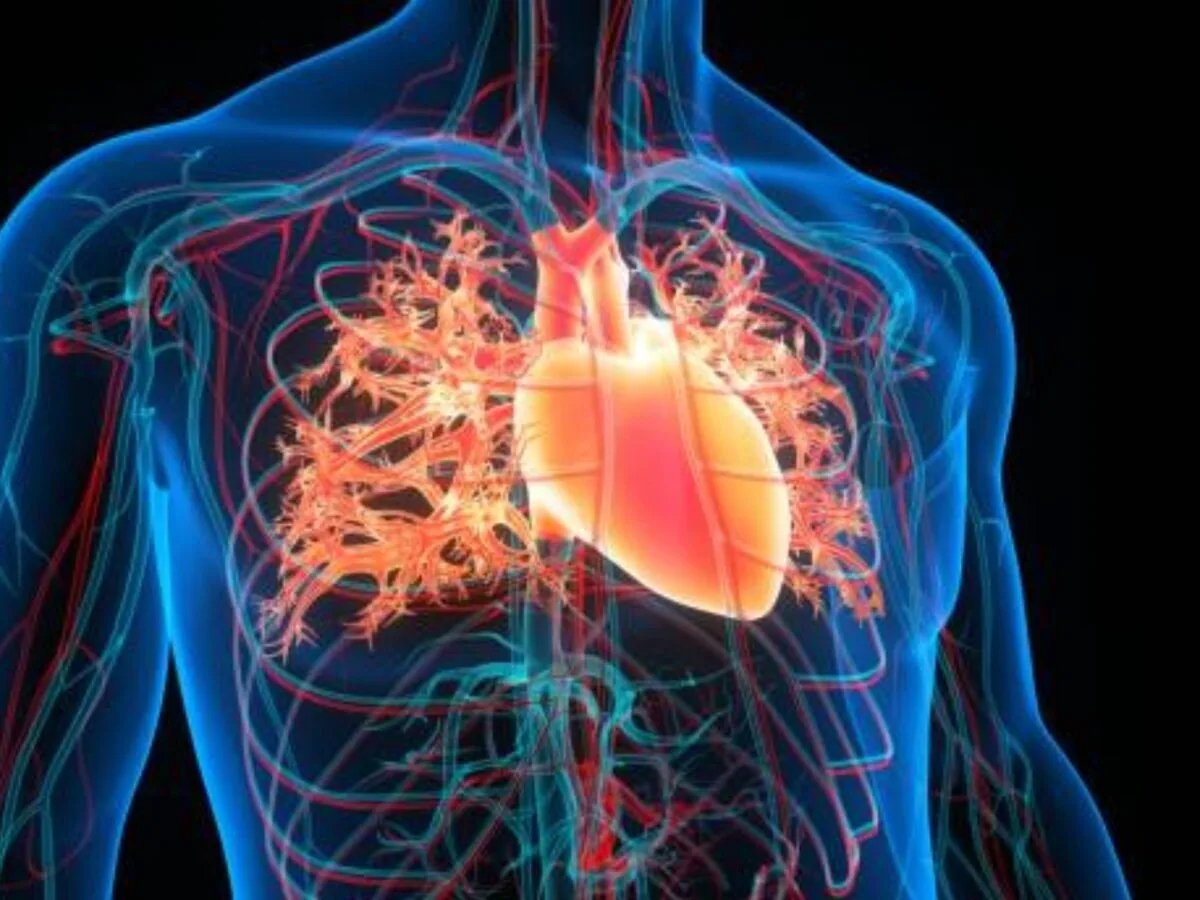
Recovering from a major heart surgery or surviving a heart attack is a life-altering milestone. While the initial phase requires absolute rest, transitioning into physical activity is a critical step toward reclaiming your cardiovascular health. A structured, gentle exercise routine acts as a powerful catalyst for long-term healing, helping to rebuild cardiac muscle strength, lower blood pressure, and significantly reduce the risk of future cardiovascular events.
However, exercising post-surgery is a delicate balancing act. Moving too quickly can strain healing incisions and stress the heart, while staying sedentary can delay recovery and lead to muscle stiffness.
Phase 1: Gentle Movement and the Power of Walking
In the immediate weeks following discharge, walking is universally regarded by cardiologists as the gold standard for cardiac rehabilitation. It is a low-impact, highly controllable aerobic activity that gently elevates the heart rate without causing sudden spikes in blood pressure.
Patients should begin with short, slow walks around the house or a flat backyard for 5 to 10 minutes, twice a day. As endurance naturally improves and chest discomfort subsides, you can gradually increase the duration by 2 to 3 minutes each week, eventually aiming for a steady 30-minute daily walk. It is vital to avoid steep inclines, uneven terrain, or carrying any weight during this initial stage.
Phase 2: Incorporating Low-Impact Flexibility and Mobility
Alongside walking, light stretching and range-of-motion exercises are essential to combat the deep stiffness that often develops in the neck, shoulders, and chest area after a surgical procedure. Simple movements like gentle shoulder rolls, ankle pumps, and slow neck stretches help improve blood circulation and prevent blood clots.
Deep breathing exercises using a spirometer (a device that measures lung capacity) should also be practiced regularly to expand lung volume and clear fluid buildup after anesthesia. During this phase, any form of heavy lifting, push-ups, pulling heavy doors, or straining the sternum (the breastbone) must be strictly avoided for at least 6 to 8 weeks to allow the bone to fuse securely.
Red Flag Symptoms: When to Stop Exercising Immediately
While pushing through a minor amount of general fatigue is normal during recovery, your body will drop clear warning signs if the heart is being overworked. You must halt all physical activity immediately and contact your medical team if you experience any of the following symptoms:
Sudden chest tightness, pressure, or a burning sensation
Extreme shortness of breath that makes speaking difficult
Severe dizziness, lightheadedness, or feeling faint
An irregular, fluttering, or rapid heartbeat (palpitations)
Unusual cold sweats or sudden nausea during mild movement
The Indispensable Role of Medical Supervision
The absolute safest way to navigate post-surgery fitness is through a formally structured, medically supervised Cardiac Rehabilitation Program. In these specialized facilities, clinical exercise physiologists monitor your electrocardiogram (ECG) and vital signs in real-time while you exercise, precisely tailoring the intensity to your heart's current capability. Always consult your primary cardiologist to get a formal clearance before initiating any new physical routine at home, ensuring your path to a stronger heart is both steady and safe.




_124973916_351x234.jpeg)