










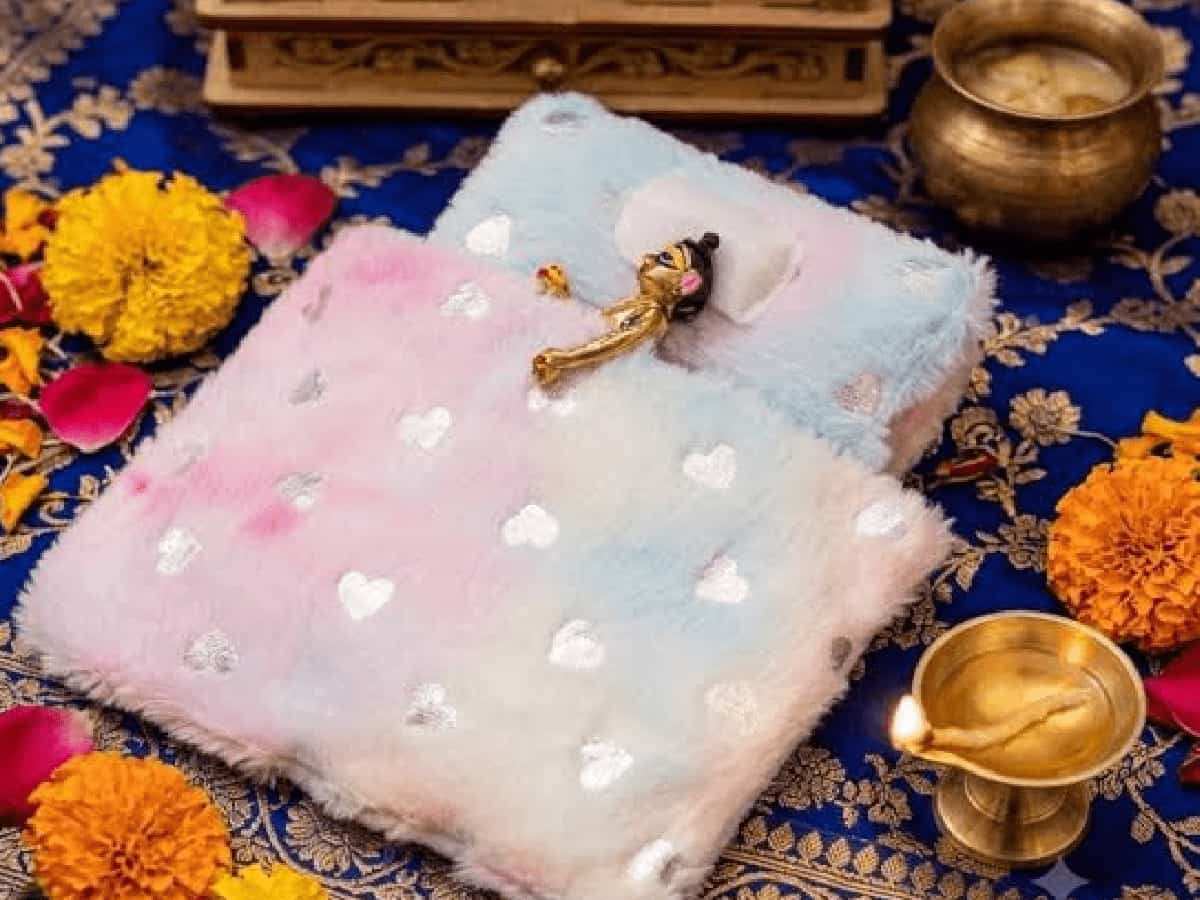
Winter Seva for Laddu Gopal & Ram Lalla: Woolens, Warm Bath & Bhog
As crisp winter mornings and chilly nights settle across northern India in late November, a deeply personal devotional tradition comes alive inside both renowned shrines and everyday family prayer rooms: protecting deities from the cold just as one would care for a beloved child. In Hindu devotional practice (Bhakti), temple and home worship extends far beyond reciting mantras or waving lamps; it centers on Seva Bhava—loving, attentive service tailored to the deity's perceived comfort across every season. Particularly when the divine is worshipped in child form (Bal Swaroop)—such as Laddu Gopal (infant Lord Krishna) and Ram Lalla (infant Lord Rama)—priests and householders swap out breezy summer cottons for hand-knitted sweaters, velvet poshaks, woolen shawls, caps, and miniature quilts, switch morning ablutions to lukewarm water, and prepare warming seasonal bhog rich in saffron, jaggery, ghee, and dry fruits. For devotees, temple visitors, and households across Uttar Pradesh—including families in Lucknow and neighboring spiritual hubs such as Unnao, Kanpur, Prayagraj, Varanasi, Ayodhya, and Mathura–Vrindavan, where winter shringar and seasonal seva traditions shape daily temple schedules—these thoughtful adjustments turn winter worship into an intimate expression of affection.
Key Winter Adjustments in Daily Temple and Home Seva
From dawn awakening (Mangala) to nighttime rest (Shayan), winter brings structured changes across attire, bathing, and sacred offerings:
| Aspect of Daily Seva | Summer Practice | Winter Adaptation for Deities (Nov–Feb) |
|---|---|---|
| Attire & Night Bedding (Shringar & Shayan) | Light cotton, muslin, or silk garments with minimal layering to keep idols cool. | Hand-knitted woolen sweaters, woolen kurtas, velvet robes, shawls, and warm caps during morning and evening shringar, plus padded quilts (razai) and blankets when the deity is put to rest at night. |
| Morning Bathing (Snana / Abhishek) | Cool or room-temperature water mixed with rosewater or sandalwood. | Lukewarm water used for morning bathing and cleansing in temples and home altars so the child deity is shielded from morning chill. |
| Sacred Food Offerings (Bhog / Prasad) | Cooling items such as curd, buttermilk, melons, cucumber, and light sherbets. | Naturally warming ingredients—jaggery (gud), sesame seeds (til), pure ghee, dry fruits, warm saffron milk, halwa, and hot kheer—alongside butter and seasonal winter sweets for Laddu Gopal. |
Why Child Deities Like Laddu Gopal and Ram Lalla Receive Extra Winter Care
Behind these seasonal shifts lies the theology of Vatsalya Bhava—parental love toward the divine child. Devotees treat Laddu Gopal and Ram Lalla as living members of the household whose comfort mirrors that of the family's own children. Just as parents bundle up youngsters in woolens, warm their bathwater, and serve nourishing winter foods when temperatures drop, temple priests and home worshippers ensure there is no lapse in tender care during colder months—changing garments separately for morning and evening darshan and tucking the idol beneath warm quilts after night aarti.
A Living Tradition Blending Devotion, Seasonal Wisdom, and Care
Whether observed in historic shrines across Ayodhya, Mathura, Vrindavan, and Kashi or inside quiet home puja corners in Lucknow, winter seva demonstrates how Hindu ritual harmonizes seasonal awareness with heartfelt devotion—making worship feel personal, nurturing, and alive throughout the coldest months of the year.






