










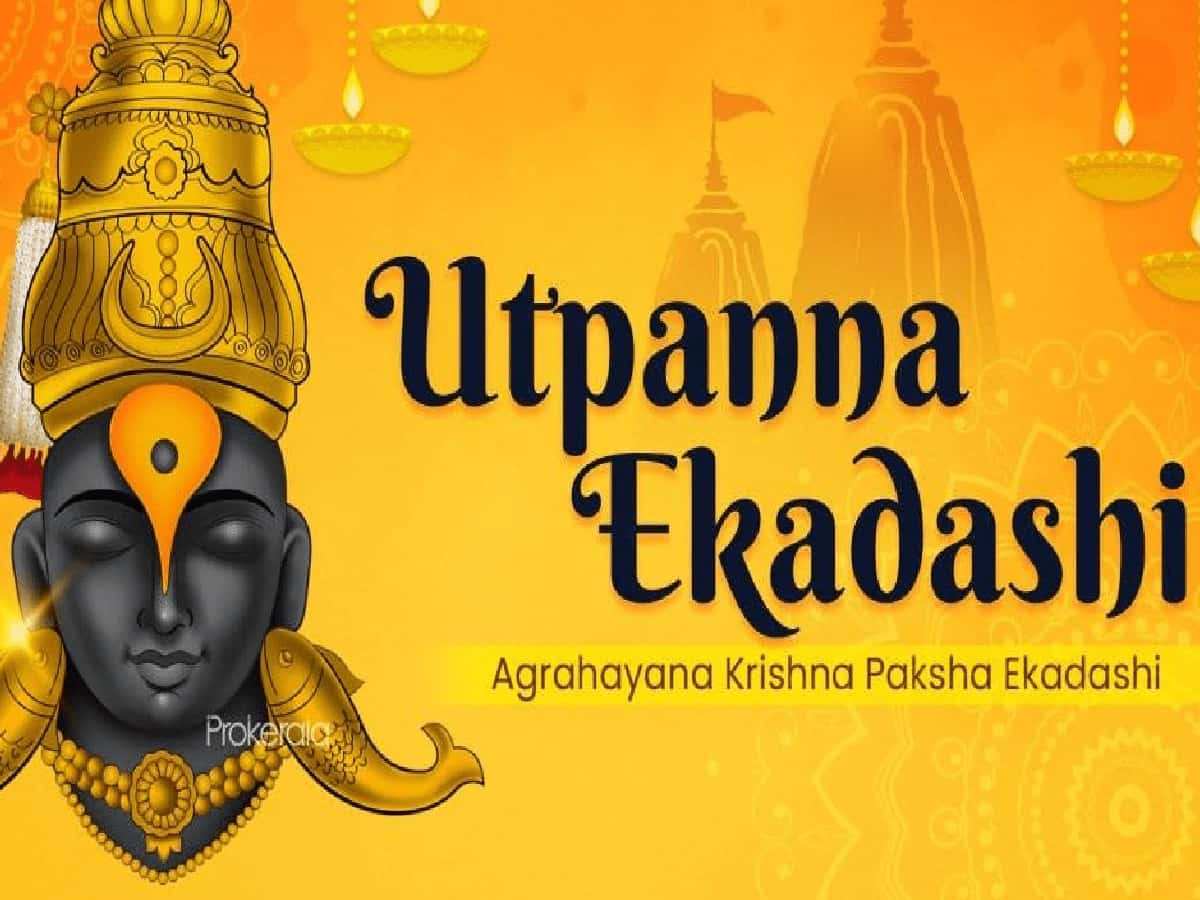
Utpanna Ekadashi 2026 Date: Fast on Dec 4; Check Muhurat & Parana Time
Among the twenty-four sacred Ekadashi fasts observed across the Hindu lunar year, Utpanna Ekadashi holds a foundational place in Vaishnava tradition as the very day Goddess Ekadashi (Ekadashi Devi) manifested from the divine body of Lord Vishnu to vanquish the demon Murasura. Falling on the eleventh lunar day (Ekadashi Tithi) of the Krishna Paksha (dark fortnight) in the month of Margashirsha (Purnimanta calendar; Kartika Krishna Paksha in Amanta reckoning), Utpanna Ekadashi 2026 will be observed nationwide by both Smarta and Vaishnava (ISKCON) devotees on Friday, December 4, 2026. Because sacred scriptures regard this date as the cosmic birth of the Ekadashi vow itself, devotees wishing to begin a lifelong year-round Ekadashi fasting practice traditionally take their inaugural sankalp (sacred vow) on Utpanna Ekadashi. According to Panchang calculations, observing the fast with devotion, scriptural recitation, and charitable giving (daan) purifies past and present karmic blemishes, invites peace and household prosperity, and earns the enduring grace of Lord Narayan. For devotees, temple committees, and spiritual households across northern India—including families preparing for winter vrats in Lucknow and neighboring Uttar Pradesh cities such as Unnao, Kanpur, Prayagraj, and Varanasi, where temple congregations and morning Ganga/Gomti rituals mark every Margashirsha Ekadashi—checking exact tithi boundaries, Parana (fast-breaking) hours, and Tulsi worship protocols ensures a complete and meritorious observance.
Utpanna Ekadashi 2026: Complete Tithi, Auspicious Muhurat, and Vrat Parana Schedule
Because the Ekadashi tithi prevails at sunrise (Udaya Tithi) on December 4, fasting takes place throughout Friday, December 4, while the fast is broken the following morning during Dwadashi:
| Sacred Event / Muhurat | Date & Time (IST — Standard Panchang Reference) | Spiritual & Ritual Significance |
| Margashirsha Krishna Ekadashi Begins | Thursday, December 3, 2026, at 11:03 PM | Devotees observe a light, sattvic meal before sunset on Dashami and prepare the home altar. |
| Utpanna Ekadashi Vrat Date | Friday, December 4, 2026 (Udaya Tithi) | Main day of Nirjala or Phalahari fasting, Lord Vishnu puja, and Vrat Katha recitation. |
| Margashirsha Krishna Ekadashi Ends | Friday, December 4, 2026, at 11:44 PM | Followed overnight by Hari Vasara (which concludes around 6:02 AM on December 5). |
| Brahma Muhurta (Dec 4) | 05:10 AM to 06:04 AM | Best pre-dawn window for sacred bathing, meditation, and taking the fasting sankalp. |
| Vijay Muhurta (Dec 4) | 01:55 PM to 02:37 PM | Auspicious afternoon window for Vishnu Sahasranama chanting and charity. |
| Godhuli (Twilight) Muhurta (Dec 4) | 05:21 PM to 05:49 PM | Ideal dusk window for lighting ghee lamps (deepdaan) before Lord Vishnu and Tulsi. |
| Nishita Muhurta (Night of Dec 4–5) | 11:44 PM to 12:39 AM | Sacred midnight vigil (Jagran) for bhajans, kirtan, and mantra jaap. |
| Utpanna Ekadashi Vrat Parana Time | Saturday, December 5, 2026, from 06:59 AM to 09:04 AM | Prescribed Dwadashi window to break the fast after morning prayers and charitable food donation. |
Spiritual Benefits of Observing the Utpanna Ekadashi Vrat
According to the Padma Purana and traditional Utpanna Ekadashi Vrat Katha, Lord Vishnu blessed Goddess Ekadashi with the boon that whoever observes a sincere fast on her manifestation day is absolved of sins accumulated knowingly or unknowingly across lifetimes and attains spiritual liberation (moksha).
Alongside inner discipline and mental clarity, scriptures highlight the merit of donating grains, warm winter clothing, food, or financial aid to temples and underprivileged families on this day—an act believed to remove financial scarcity and foster lasting domestic harmony.
Essential Puja Rules and Tulsi Worship Guidelines to Follow
Devotees observing Utpanna Ekadashi should keep four traditional puja rules in mind:
-
Worship Tulsi Without Touching the Plant: Lighting a ghee lamp near Tulsi Mata during evening twilight invites Goddess Lakshmi's blessings, yet scriptures strictly forbid touching or watering the Tulsi plant or plucking its leaves on Ekadashi, as Tulsi Mata herself observes a fast for Lord Vishnu.
-
Pluck Tulsi Leaves on Dashami: Always gather fresh Tulsi leaves on the preceding day (December 3) so they can be placed in Lord Vishnu's bhog on Ekadashi.
-
Offer Yellow Sacred Items to Lord Vishnu: Adorn the deity with yellow flowers, yellow sandalwood paste (peela chandan), saffron-infused kheer (prepared without grains, using makhana or sabudana), and yellow fruits alongside a pre-plucked Tulsi leaf while chanting "Om Namo Bhagavate Vasudevaya".
-
Respect Dietary & Parana Boundaries: Avoid rice, grains, pulses, onion, garlic, and tamasic foods throughout Ekadashi, and conclude the fast strictly within the December 5 morning Parana window (6:59 AM to 9:04 AM) after offering food to the needy.






