Kharna 2026: Rules and Significance of 36-Hour Fast
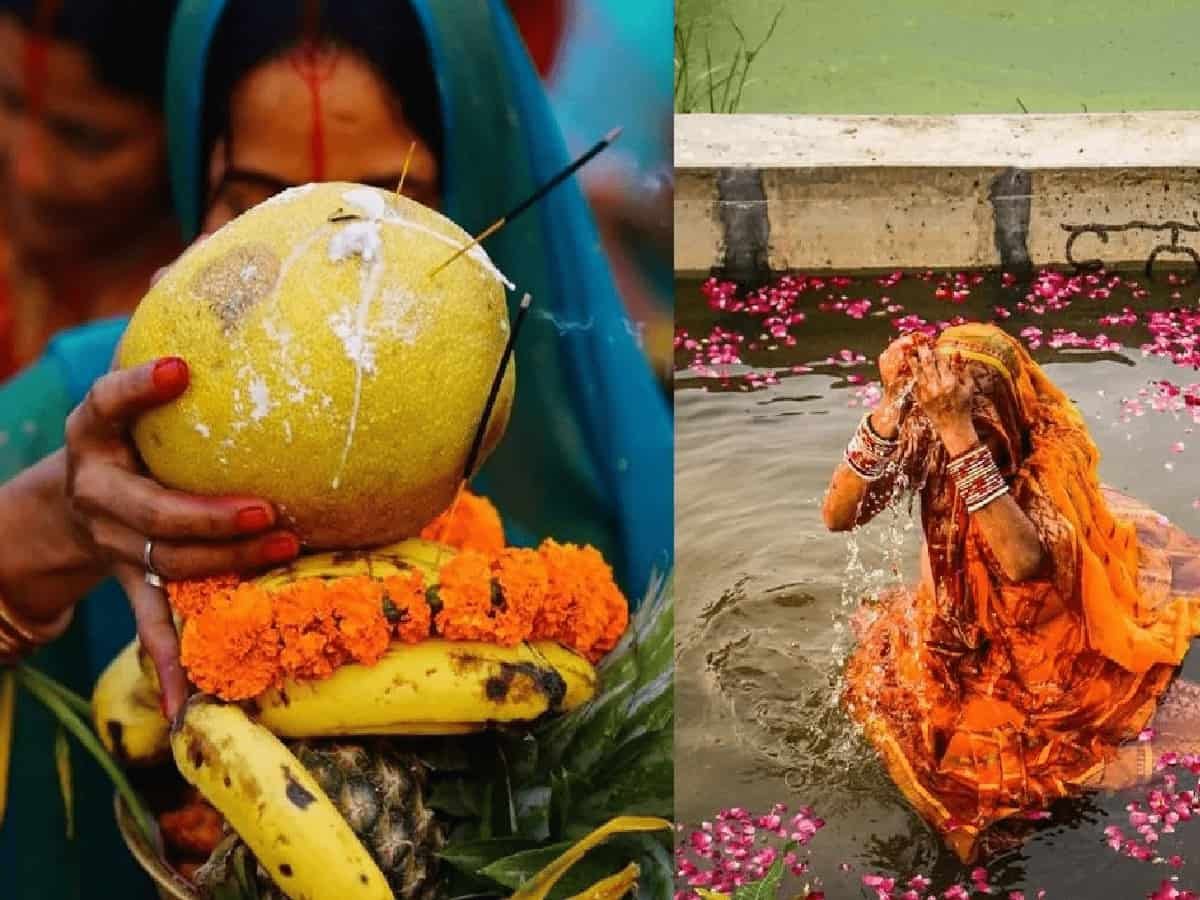
As the four-day festival of folk faith reaches its spiritually charged second day, households across northern India and diaspora communities immerse themselves in the sacred observance of Kharna 2026. Falling on November 14, Kharna marks one of the most intense and emotionally profound milestones of Chhath Puja. It is the day when the rigorous physical discipline of the festival truly begins, transitioning into an uninterrupted, waterless 36-hour nirjala fast that will culminate only after offering arghya to the rising sun on the final morning of the festival.
Observed with absolute devotion, cleanliness, and reverence for nature, Kharna centers around the preparation and consumption of the divine Kharna Prasad. However, because Chhath Puja demands uncompromised purity (pavitrata), navigating the day requires strict adherence to ancient rituals and prohibitions. Ignoring key procedural rules during Kharna can disrupt the sanctity of the fast, making it essential for devotees and their families to understand proper protocols.
Understanding the Significance of Kharna Day
Kharna, observed on the Panchami tithi, represents spiritual cleansing and complete surrender to Chhathi Maiya and Lord Surya (the Sun God). Throughout the daylight hours of Kharna, the fasting devotee (vrati) observes a strict day-long fast without consuming a single drop of water or food.
The focal point of the day occurs after sunset, when the vrati prepares and partakes in the sacred Kharna Prasad. Traditionally, this prasad consists of jaggery (gur) kheer cooked with newly harvested rice and milk, accompanied by wheat rotis heavily slathered with pure desi ghee. This offering is placed on a fresh banana leaf, accompanied by seasonal fruits like bananas and radishes, and offered first to the deities with deep gratitude. Once the ritual prayers are completed in a quiet, serene environment, the devotee consumes the prasad, officially initiating the grueling 36-hour continuous fast.
5 Crucial Rules and Common Mistakes to Avoid on Kharna
Because purity is the absolute cornerstone of Chhath Puja, even minor oversights can break the ritualistic protocol. To ensure your observance is spiritually fulfilling and flawless, keep these five essential rules in mind:
1. Maintain Absolute Physical and Environmental Cleanliness
Purity of mind, body, and surroundings is paramount. On Kharna day, deep clean your home, especially the kitchen and spaces designated for worship. Never touch the ritual offerings, puja thali, or cooking ingredients with unwashed hands. Ensure that anyone entering the sacred cooking zone has bathed and changed into fresh, unstitched or ritually clean clothes.
2. Never Taste the Prasad While Cooking
One of the strictest and most widely known rules of Chhath preparation is that the cook or vrati must never taste the food while it is being prepared. Tasting for salt, sweetness, or texture is strictly forbidden. The food cooked on this day is exclusively meant as a divine offering (bhog) to Chhathi Maiya first, and touching it to one's lips beforehand is believed to desecrate its ritual purity.
3. Use Brand-New Utensils and Clay Stoves
Do not use regular, everyday household cookware for preparing Kharna prasad. The kheer and rotis must be cooked on a brand-new clay stove (maati ka chulha) using pure fuel such as dried mango wood. Furthermore, the utensils used for boiling milk, cooking rice, and rolling rotis must be completely new or exclusively reserved for Chhath Puja rituals, kept strictly separate from ordinary kitchen items.
4. Strict Adherence to Sattvic Diet in the Household
While the vrati observes a complete fast throughout the day, other members of the household living under the same roof must also maintain strict dietary discipline. The entire household must consume exclusively sattvic food—free from onion, garlic, lentils like masoor, non-vegetarian items, and any tamasic ingredients. Maintaining a pure atmosphere within the home extends to speech and behavior; all family members must avoid anger, arguments, or harsh language.
5. Respect the Timing of the Fast and Waterless Rules
The Kharna fast requires abstaining from water entirely (nirjala) from the morning onwards. Food and water are strictly prohibited until the evening prayers and offering rituals are completed after sunset. Breaking the fast prematurely or failing to observe the prescribed evening worship sequence violates the spiritual framework of the ritual.
Embracing the Spirit of Chhath Puja
Kharna is a powerful reminder of human resilience, discipline, and profound gratitude toward the ecological forces that sustain life. By respecting the age-old rules of purity, devotion, and humility, families invite peace, prosperity, and the boundless blessings of Chhathi Maiya into their homes. As the melodious echoes of traditional folk songs fill the evening air, devotees step forward into the 36-hour vigil with faith, strength, and grace.