










Kartik Purnima Tulsi Puja: How Many Lamps to Light Tonight
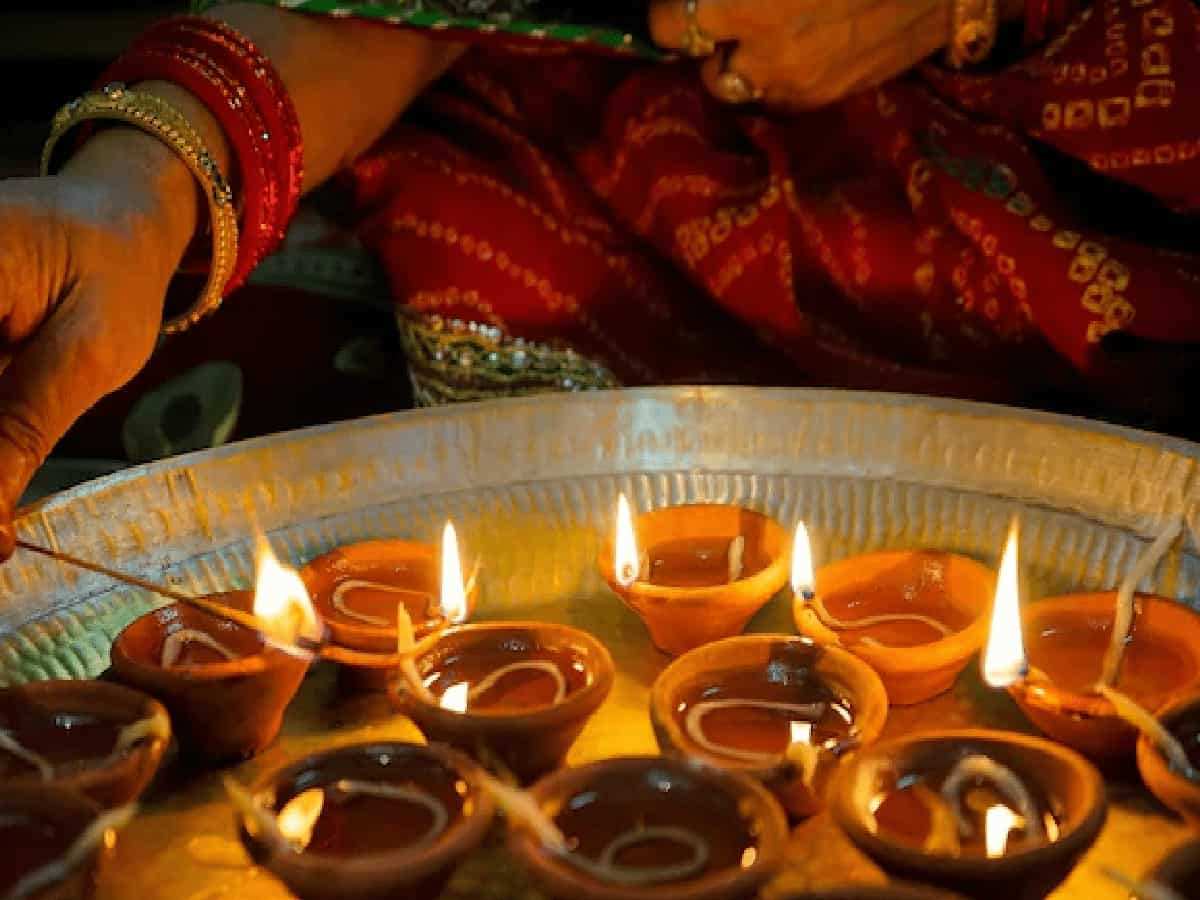
Across households and courtyards observing Kartik Purnima and Dev Deepawali on Tuesday, November 24, 2026, lighting lamps near the sacred Tulsi plant in the evening holds cherished devotional significance alongside riverfront deepdaan and temple prayers. In Hindu tradition, Tulsi is revered as sacred and associated with Goddess Lakshmi and Lord Vishnu, and devotees often ask whether to light 1, 5, 7, or 11 lamps (diyas) near the Tulsi chaura or planter during evening prayers. While traditions vary by family custom and local observance, the number of lamps is meant to reflect sincere devotion, calm intention, and gratitude rather than rigid superstition. For families, homemakers, and devotees across northern India—including households in Lucknow and neighboring Uttar Pradesh cities such as Unnao, Kanpur, Prayagraj, and Varanasi, where evening diyas light up home shrines and courtyards on Kartik Purnima—following simple, respectful steps makes the evening observance meaningful and peaceful.
1, 5, 7, or 11 Lamps: Choosing What Fits Your Family Tradition
Devotees commonly light 1, 5, 7, or 11 lamps near the Tulsi plant on Kartik Purnima evening depending on family practice, available space, and personal devotion. Rather than viewing the count as a rigid test of fortune, practitioners treat lighting a single lamp or a small cluster of diyas as a symbol of warmth, clarity, and household harmony as dusk settles on the full moon of Kartik.
Step-by-Step Evening Tulsi Puja on Kartik Purnima
Many households perform evening Tulsi Puja around dusk or the Pradosh evening window using a simple, unhurried routine:
-
Cleanse and Prepare: Freshen up or bathe in the evening, wear clean attire, and tidy the area around the Tulsi planter or shrine.
-
Mark and Offer: Draw a traditional swastika gently on the pot with turmeric (haldi) or natural ochre (geru) if customary in your home, and offer clean water along with haldi, kumkum, and fresh flowers.
-
Traditional Offerings: Where customary, married women or family members may offer a small chunari or auspicious items to Mata Tulsi, followed by simple bhog such as fruit or sweets.
-
Light the Lamp(s) and Parikrama: Light the chosen lamp or lamps with pure desi ghee or sesame oil, offer aarti with calm focus, take gentle circumambulations (parikrama) if space allows, and conclude with prayers for peace and well-being at home.
Essential Do's and Don'ts for Lighting Lamps Near Tulsi
Keeping a few practical and traditional safeguards in mind helps ensure a safe, respectful ritual:
| Practice / Guideline | Key Rule to Follow | Practical Reason |
| Lamp Condition | Use intact, uncracked lamps; avoid broken or chipped diyas. | Preserves ritual cleanliness and avoids oil leaks. |
| Placement Surface | Avoid setting lit lamps directly on bare ground; place on a safe plate, stone, or stand. | Prevents heat transfer, wax/oil spills, and fire hazards. |
| Fuel & Wick Orientation | Use pure ghee or sesame oil; direct the wick thoughtfully (often facing north or east per custom). | Supports steady flame and aligns with traditional direction customs. |
| Mindset & Calm | Keep a calm, peaceful mood free of anger or household arguments. | Centers devotion on mindfulness and harmony. |






