


Inside Darjeeling's Mahakal Temple Where Vedic Chants and Buddhist Prayers Resonate
_522378350.jpg)
Perched atop the misty heights of Observatory Hill near Chowrasta Mall in Darjeeling, West Bengal, stands the revered Mahakal Temple—an extraordinary sanctuary that embodies the living unity of Hinduism and Buddhism. Revered by thousands of pilgrims and travelers throughout the year, this sacred ridge offers panoramic views of the hill town alongside an ancient tradition where Lord Shiva and Lord Gautama Buddha are venerated together under one roof. The sanctum stands directly upon the historical grounds of the 18th-century Buddhist monastery "Dorje Ling," from which the hill station Darjeeling derives its modern name, creating an enduring bridge between Vedic rituals and Tibetan Buddhist heritage.
The Miraculous Manifestation of 1782: Sacred Trio of Shivlingas
The spiritual history of the sanctuary is rooted in an ancient legend that marks the sacred beginning of the complex:
Swayambhu Manifestation of 1782: According to historical and mythological lore, three self-manifested (Swayambhu) Shivlingas miraculously appeared atop Observatory Hill in the year 1782, representing the holy trinity of Brahma, Vishnu, and Mahesh.
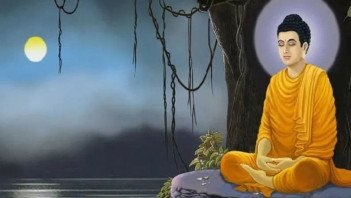
The Legacy of Dorje Ling: The complex stands on the historical grounds once occupied by the prominent Buddhist monastery Dorje Ling, transforming the hilltop into a joint sanctuary revered equally by Lamas and Brahmin priests.
Presiding Deities: While Lord Shiva reigns as the central presiding deity of the hilltop, the sanctuary seamlessly integrates Buddhist icons, providing dual spiritual traditions an equal platform for worship.
Panoramic Observatory Views: Situated prominently above the town's central promenade, the location offers panoramic vantage points across the eastern Himalayan ranges, drawing pilgrims who ascend the pine-lined trail daily.
Shared Rituals: Confluence of Monks, Vedic Priests, and Prayer Flags
Stepping into the temple compound reveals an exceptional display of interfaith harmony and devotion:
Simultaneous Prayers: Visitors entering the main hall witness Hindu priests conducting Vedic aartis while Buddhist monks chant sacred scriptures and spin brass prayer wheels side-by-side.
Associated Shrines: Beyond the central sanctum dedicated to Lord Shiva, the courtyard houses vibrant roadside shrines dedicated to Lord Ganesha, Lord Hanuman, and Goddess Durga.
Circumambulation and Bell Rings: Devotees traditionally walk barefoot around the perimeter, completing three sacred clockwise circumambulations (parikrama) while ringing the rows of brass bells suspended along the outer walls.
Fluttering Himalayan Flags: Thousands of colorful Tibetan prayer flags crisscross the tree canopies above, believed by Buddhist worshippers to carry whispered supplications directly toward heaven while purifying accumulated sins as their fabric weathers in the mountain breeze.
Exploring the Mystical Mahakal Cave: Subterranean Shrine of Durga and Shiva
A short descent down the stone paths flanking the main sanctuary leads pilgrims to the sacred Mahakal Cave:
Underground Sanctum: Located just a few steps below the central complex, this quiet subterranean cave offers a calm meditative alcove for devotees.
Dual Veneration: Inside the natural rock crevice, sacred icons of Goddess Durga and Lord Shiva receive continuous floral offerings and ceremonial lamps from visitors.
Wildlife Presence: The surrounding forested slopes of Observatory Hill remain famous for their large resident monkey populations, adding a lively presence to the sacred mountain journey.
_8818174_351x234.jpg)

_1860195813_351x234.jpg)
_1153866964_351x234.jpg)
_522378350_351x234.jpg)