Rajendra Rathore's 'Kalma' Remark Sparks Political Storm
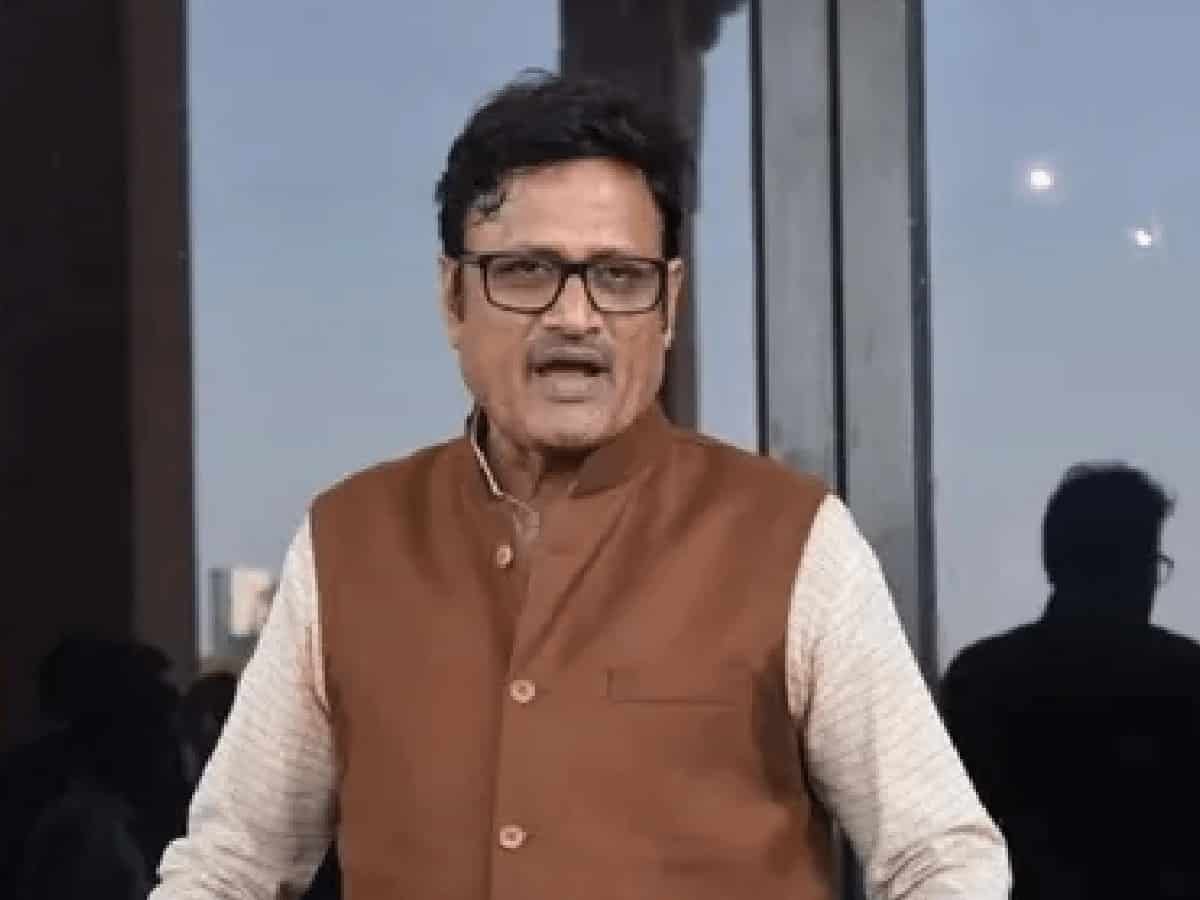
Rajasthan’s political landscape has been set ablaze following a controversial campaign speech delivered by senior Bharatiya Janata Party (BJP) leader and former Leader of Opposition, Rajendra Rathore. Campaigning extensively for his family members in the localized rural body polls, Rathore’s choice of words during a public rally has triggered a fierce war of words between the ruling party and the opposition Congress.
The incident took place in Pithisar village, situated within the Muslim-majority Kaimkhani pocket of Churu district. Rathore was rallying support for his daughter-in-law, Kanika Singh, who is contesting the Zila Parishad elections from Ward No. 23, alongside his son Parakram Singh Rathore, who is also in the electoral fray.
Decoding the Controversy: What Did Rajendra Rathore Say?
During his public address, Rathore sought to connect with the local demographic by adopting a pluralistic tone. Addressing the gathering, he recited the Islamic declaration of faith, the Kalma ("La ilaha illallah Mohammed Rasul Allah"). Expanding on his message of communal harmony, the BJP veteran emphasized that the Almighty is universal, stating that God and Allah are fundamentally one and the same.
This followed an earlier viral video clip featuring Kanika Singh greeting local voters with "Assalamu Alaikum" during her campaign rounds. While the gesture initially drew warm applause from the local community present at the venue, its digital circulation transformed it into a major political talking point across the state.
Congress Launches Scathing Attack Over Electoral Opportunism
The opposition Congress party was swift to pounce on the video footage, accusing the BJP leadership of rank opportunism and double standards. Reacting sharply to the incident, Congress leaders argued that while senior BJP figures are willing to recite Islamic verses and alter their greeting styles to court minority votes during localized rural elections, the party consistently marginalizes minority representation in higher legislative bodies.
Congress critics pointed out that the saffron party rarely fields minority candidates in high-stakes Lok Sabha or Vidhan Sabha elections. Party spokespersons asserted that voters are well aware of the ideological contradictions, claiming that such rhetorical flourishes during grassroots campaigns cannot mask broader organizational policies.
BJP Defends Campaign Outreach as Grassroots Inclusivity
In response to the mounting political backlash, state BJP leaders defended Rathore’s remarks, maintaining that public interactions in diverse constituencies naturally incorporate localized cultural and social greetings. Observers note that in regions like Shekhawati—where multi-communal rural social fabrics run deep—local leaders frequently adapt their outreach to resonate with cross-sectional voter bases.
As the high-stakes rural body elections reach their final phases, the controversy surrounding the Rathore family's campaign highlights how identity politics, cross-cultural messaging, and rhetorical maneuvers continue to shape grassroots electoral battles in Rajasthan.