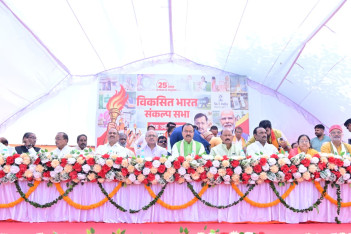
Madam Councillor is at Home, Husband and Father-in-Law Attended the House
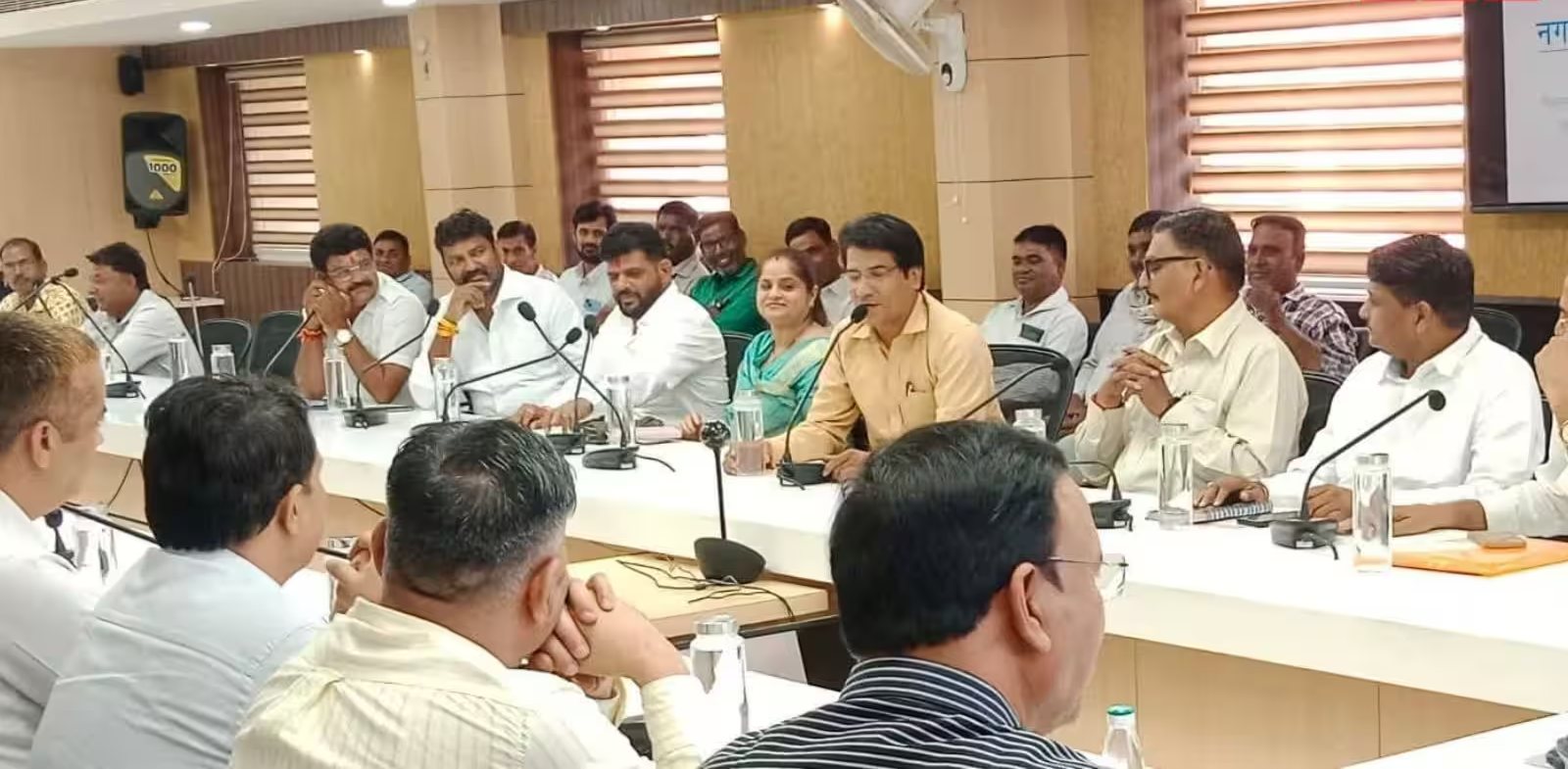
In a shocking breach of civic protocol and democratic representation that has ignited intense public outrage and political uproar across Rajasthan, a high-profile general body meeting of the Jaipur Municipal Corporation (JMC) witnessed a stunning instance of proxy governance. While officially elected female municipal councillors remained comfortably inside their homes, their husbands and fathers-in-law audibly stepped up, took seats in the council chamber, and actively participated in official administrative debates. As opposition leaders and civic watchdogs raised serious questions over constitutional integrity, token representation, and accountability, this brazen display of proxy politics has turned into a major embarrassment for the municipal administration.
The Proxy Raj Exposed: When Family Members Take the Floor in the Council Chamber
The bizarre spectacle came to light during the corporation's high-stakes general board meeting, where critical municipal policies, urban sanitation budgets, and developmental ward issues were slated for discussion. Instead of the legally elected women representatives elected by local citizens to voice their grievances, several male relatives—including husbands and fathers-in-law—were spotted sitting directly on the floor of the house, reviewing agendas, and attempting to dictate administrative decisions. Witnesses reported that when questioned about the absence of the actual councillors, the proxies casually defended their presence, exposing a deeply entrenched patriarchal "husband-proxy" (Pradhan Pati or Councillor Pati) culture that continues to plague local governance bodies across India.
Outrage Erupts: Opposition Leaders Slam Mockery of Democratic Representation
The incident instantly triggered chaotic scenes inside the municipal hall, with angry opposition councillors and independent members storming the well of the house to register vehement protests. Shouting slogans against administrative negligence, opposition leaders demanded immediate action against the unauthorized outsiders squatting in elected seats. Critics pointed out that allowing non-elected family members to usurp official council powers makes a complete mockery of women's reservation policies and constitutional empowerment frameworks designed to ensure female leadership at the grassroots level.
Administrative Silence and Questions Over Mayoral Accountability
As photographs and video clips of male relatives occupying councillor seats went viral across local news portals and social media channels, immense pressure mounted on the Jaipur Municipal Corporation mayor and commissioner to explain how unauthorized individuals bypassed security protocols to enter the house. While civic officials mumbled apologies and promised a thorough internal review of visitor entry passes, legal experts noted that permitting proxy attendance violates municipal guidelines and could invite severe legal consequences, including disqualification notices for the absentee councillors who deputed family members in their stead.
The Wider Crisis: Eradicating the 'Pradhan Pati' Phenomenon in Grassroots Democracy
Political analysts emphasize that the Jaipur incident is not an isolated anomaly but rather a glaring symptom of a systemic malaise affecting local bodies nationwide, where patriarchal social structures frequently sideline elected women from exercising actual authority. Ensuring true women's empowerment requires strict penal action against proxy representatives, enhanced awareness among voters, and zero tolerance from state election commissions. As citizens demand stern accountability, this Jaipur municipal controversy serves as a sharp reminder of the long road ahead in securing genuine, uncompromised grassroots democracy.
_1620998975_351x234.jpg)