


IMD Issues Alert For 18 Rajasthan Districts As Rainy Spell Reactivates; Heatwaves Grip Western Regions At 40.1°C
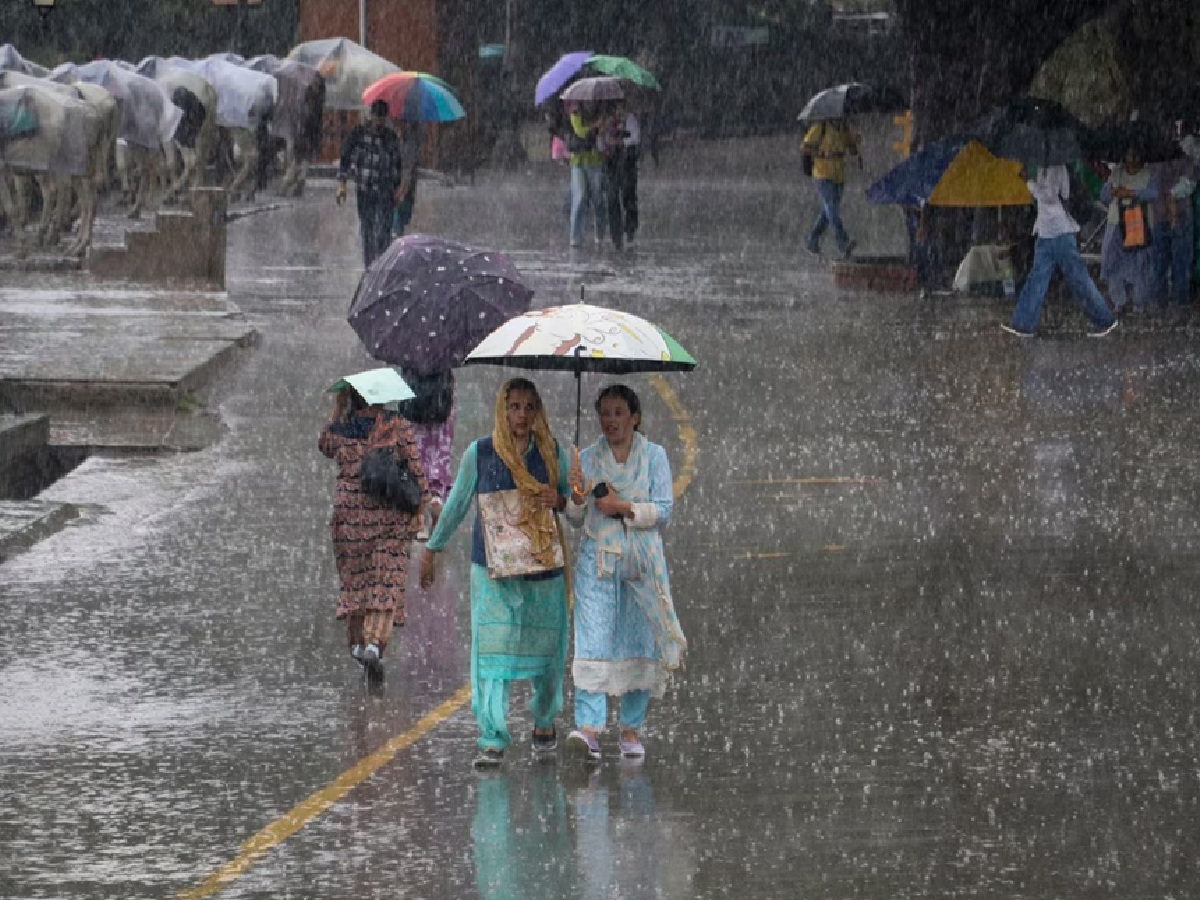
Following a brief mid-season lull that left several parts of the desert state sweltering under intense humidity, the monsoon machinery in Rajasthan is officially shifting back into high gear. The India Meteorological Department (IMD) confirmed that the atmospheric systems are reactivating across the region starting Wednesday, July 15, 2026. The weather bureau has formally issued a comprehensive yellow alert spanning 18 major districts, predicting widespread thunderstorms, lightning strikes, and variable light to moderate precipitation over the next 24 to 48 hours. This structural shift is expected to trigger a significant drop in ambient temperatures, providing much-needed relief to local populations.
Alwar Deluged: Severe Waterlogging Inundates Streets and Government Complexes
The initial wave of the revitalized monsoon system made a dramatic landfall in eastern Rajasthan, with Alwar district recording the absolute highest volume of precipitation over the last 24 hours. A torrential downpour that commenced abruptly around 2:00 PM on Tuesday completely overwhelmed the city's drainage infrastructure, turning major arterial roads into virtual streams. The historic Alwar court complex faced severe inundation, with muddy rainwater gushing down the structural stairs of Mahal Chowk. The court's baseline canteen was entirely flooded, forcing local municipal workers and corporate employees to deploy manual containers to scoop out the accumulated water. Parallel heavy showers also saturated the newly formed Kotputli-Behror district, while the Tibbi region in Hanumangarh recorded a robust 37 mm of rainfall by Tuesday dawn.
The Desert Contrast: Blistering Heatwaves Keep Western Rajasthan Above 40°C
While the eastern and southern geographical belts of Rajasthan welcome the cooling rainy spell, the western arid plains continue to experience intense summer conditions. Sri Ganganagar officially recorded the state’s absolute highest temperature at a blistering 40.1°C, driven by dry desert winds. Other major regional centers faced similar thermal stress, with Jaisalmer touching 39°C, Bikaner settling at 38.8°C, Churu at 38.7°C, and Phalodi registering 38.6°C. The sharp meteorological divide means that western agricultural communities are facing enhanced evaporation losses, keeping the public entirely dependent on heavy air cooling systems.
Yellow Alert Activated: Complete List of the 18 Vulnerable Districts
The meteorological observatory has advised local administrative bodies to prepare for lightning and gusty winds. The specific 18 districts placed under the active yellow weather warning for Wednesday include:
Northern & Eastern Zones: Hanumangarh, Churu, Jhunjhunu, Sikar, Kotputli-Behror, Alwar, Khairthal-Tijara, Deeg, Bharatpur, and Dholpur.
Southern & Western Zones: Jalore, Sirohi, Udaipur, Salumbar, Pratapgarh, Dungarpur, and Banswara.
Local disaster management authorities have strongly urged the public to avoid taking shelter under isolated trees, stay away from temporary tin structures, and remain indoors during active lightning flashes.
Metro Weather Audit: How Rajasthan's Major Urban Cities Performed
Jaipur: The capital city maintained a clear sky pattern throughout Tuesday with the mercury peaking at 35°C. However, the IMD predicts heavy convective cloud cover to build up by late Wednesday afternoon, with temperatures hovering around 36°C before the arrival of evening showers.
Ajmer: The district enjoyed a highly comfortable environment, locking a maximum temperature of 33.8°C and a pleasant nighttime low of 25°C. Despite high relative humidity making the air feel thick, early morning and nocturnal breeze patterns remained pleasant.
Kota: The industrial hub recorded a high of 36.3°C. The region has entered a dry spell with zero precipitation recorded since July 8, pushing the seasonal monsoon quota to a concerning 21 percent below the historical normal. Farmers are keeping a close watch on the sky for agricultural relief.
Udaipur & Sikar: Udaipur experienced an alternating pattern of sunshine and dark clouds without substantial showers, maintaining a steady high of 32.8°C. Meanwhile, the prolonged weakness of the monsoon system in Sikar pushed the local temperature upward to 36.5°C.
Agricultural Outlook: What the Upcoming 72-Hour Window Means for Farmers
The reactivation of the monsoon system is developing at a critical juncture for Rajasthan’s agrarian economy. According to agricultural extension officers, the predicted structural rainfall over the next three days will be highly beneficial for the newly sown Kharif crops, which were beginning to show signs of moisture stress due to the recent dry spell. The state administration remains on high alert to tackle any urban flash floods, while advising the farming community to maximize rainwater harvesting measures before the system migrates further toward the central Indian plains.

_490860253_351x234.jpg)
_1006850037_351x234.jpg)
_2127249542_351x234.jpg)
_762722324_351x234.jpg)