


Congress Announces Full Boycott of Uniform Civil Code Public Hearings; Dotasra Accuses BJP Government of Communal Polarization
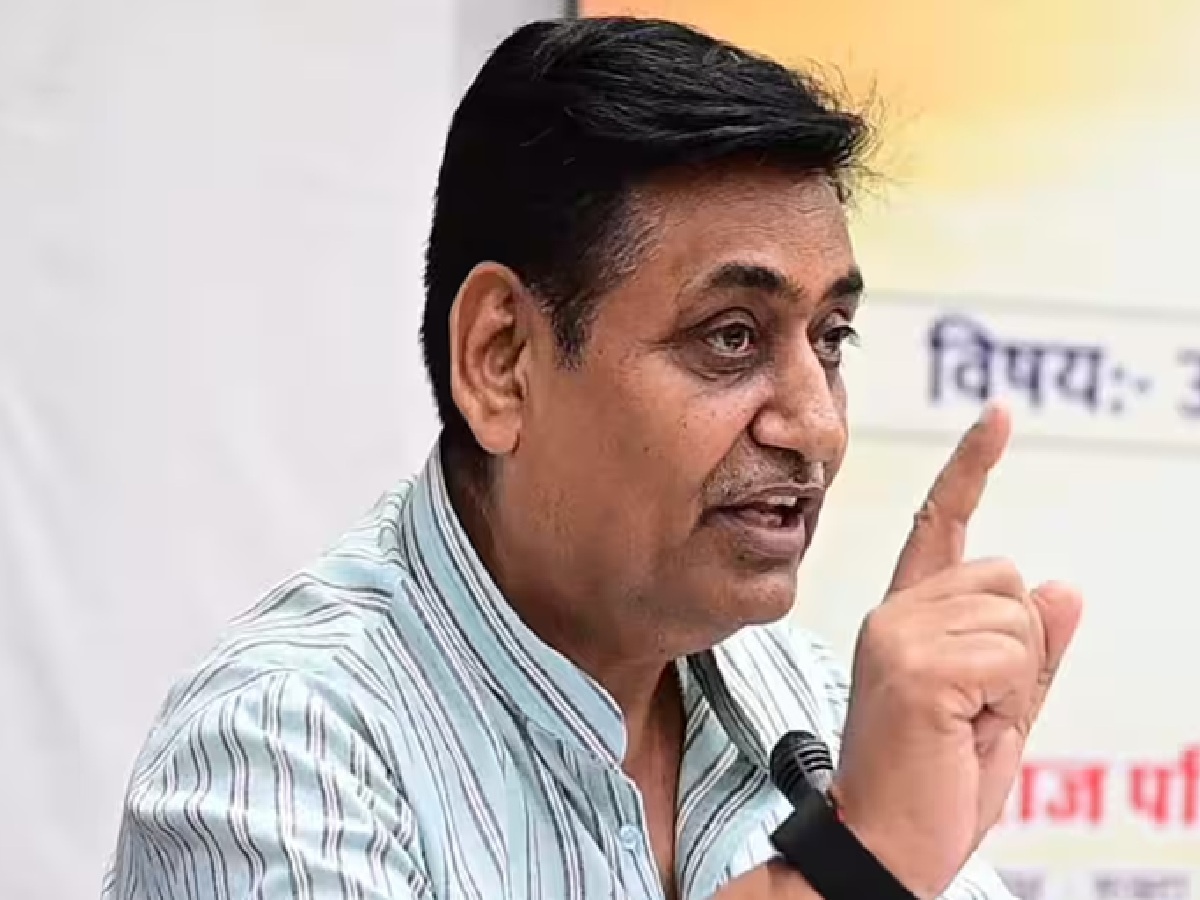
The political temperature in Rajasthan has soared to a boiling point after the opposition Congress Party announced a total, uncompromising boycott of the upcoming Uniform Civil Code (UCC) public hearings. The high-level draft committee constituted by the state government is scheduled to initiate extensive public consultations from Friday, July 10, 2026, starting from the state capital, Jaipur, to gather grassroots opinions on the proposed legal framework. Reacting sharply to the administrative schedule, Rajasthan Pradesh Congress Committee (PCC) President Govind Singh Dotasra launched a scathing attack on the ruling dispensation, asserting that inviting public feedback without even presenting a concrete, formalized legislative draft is a flawed and politically motivated move.
The opposition's aggressive stance signals an intense legislative standoff in the desert state. Dotasra has officially demanded the immediate cancellation of the July 10 hearings, claiming that the exercise is less about constitutional reform and more about creating artificial social divides before key electoral cycles.
Dotasra Fires Back: Accuses Bhajan Lal Sharma Government of Strategic Deflection
Expressing strong disapproval of the state's sudden policy push, Govind Singh Dotasra accused the Chief Minister Bhajan Lal Sharma led Bharatiya Janata Party (BJP) administration of intentionally pushing Rajasthan into an environment of unnecessary social friction. The veteran leader argued that there is absolutely no popular demand or systemic necessity for a state-specific Uniform Civil Code at this juncture.
According to Dotasra, the ruling government is merely hiding behind the highly sensitive UCC debate to deflect public scrutiny away from its own administrative shortcomings, effectively trying to bake political bread over complex civil matters while avoiding accountability on essential governance metrics.
Shifting Focus to Core Public Utilities: Why Congress Demands Alternative Hearings
In an official statement mapping out the party's programmatic boycott, the PCC Chief clarified that Congress lawmakers and regional workers will completely isolate themselves from the committee's interactive sessions in Jaipur and subsequent district tours. Dotasra argued that if the state machinery genuinely possesses the logistical resources to host large-scale public interactions, it should immediately redirect those efforts toward solving the everyday crises plaguing ordinary residents.
The Congress leader emphasized that the state government should immediately organize public grievance hearings focused explicitly on the critical degradation of roads, unstable electricity grids, drinking water scarcities, educational infrastructure deficits, crumbling healthcare systems, and the state's current law-and-order situation. He reiterated that the Congress party remains firmly dedicated to participating only in forums that address immediate, real-world public welfare challenges.
The Fractional Enforcement Debate: Calls for Centralized Legislation Over State Autonomy
Delving deeper into the constitutional and structural aspects of the code, Govind Singh Dotasra questioned the geopolitical logic of individual states introducing localized versions of a civil code. He pointed out that enacting highly varied legal codes across different states creates immense legal confusion for a mobile population.
The Congress President asserted that if a Uniform Civil Code is truly considered vital for modern civil governance, the central government should take the initiative to draft a single, comprehensive law applicable across the entire nation after achieving true national consensus. He stated that introducing localized iterations in fragmented fragments at different times across different states proves that the policy is being utilized primarily as a tactical tool to secure local voter consolidation rather than genuine legal standardization, setting up a fierce ideological debate that will dominate Rajasthan's political discourse in the coming months.
_1017940024_351x234.jpg)
_1710951429_351x234.jpg)
_707133823_351x234.jpg)
_1964009516_351x234.jpg)