


Punjab's 'CM Sehat Yojana' Delivers Lifesaving Relief To Cancer Patients With ₹20.22 Crore Cashless Treatment Surge
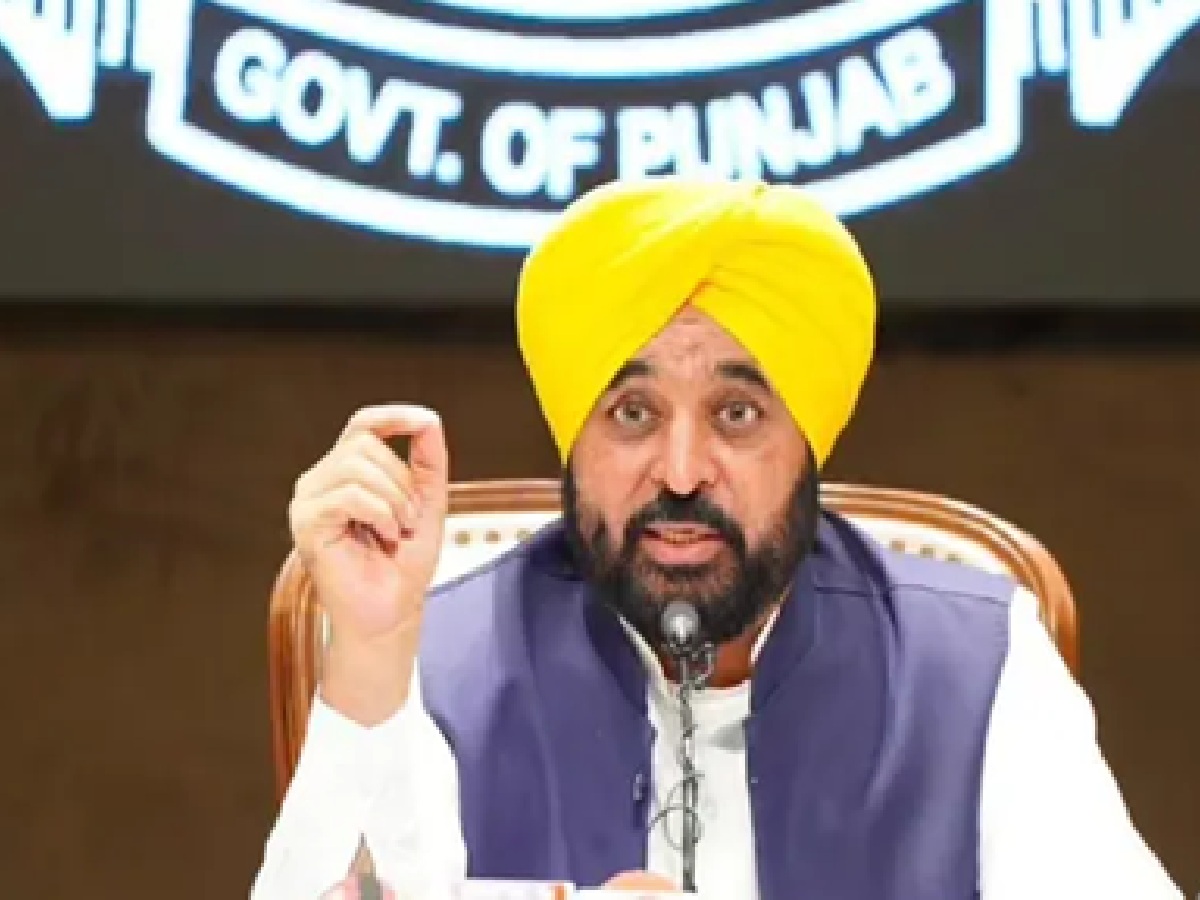
In a major healthcare milestone for the state, the Punjab government has spent ₹20.22 crore to provide completely cashless medical treatment to 8,069 cancer patients under the Mukhyamantri Sehat Yojana. Official data released by the State Health Agency (SHA) Punjab up to July 18, 2026, highlights how the flagship health scheme has eliminated financial barriers for thousands of families battling life-threatening oncological conditions. By offering free access to advanced medical interventions—including specialized cancer surgeries, chemotherapy, radiotherapy, immunotherapy, and targeted therapies—the initiative ensures that patients receive timely medical care without facing catastrophic out-of-pocket medical expenses.
Working-Age Population Most Impacted: Over 50% Beneficiaries Belong To 36-60 Age Group
Demographic data from the State Health Agency reveals a critical healthcare trend, showing that cancer is heavily impacting individuals during their prime earning years rather than primarily affecting senior citizens. Out of the 8,069 total beneficiaries, the largest demographic segment comprised 4,285 patients aged between 36 and 60 years. Meanwhile, 3,376 beneficiaries were senior citizens over 60 years old, 399 patients belonged to the 17–35 youth bracket, and 9 pediatric patients under the age of 17 received subsidized care. Real-world cases like Samana resident Darshan Devi—who successfully underwent complex cancer surgery costing ₹4 to ₹5 lakh completely free of cost—underscore how the scheme bridges the gap between early diagnosis and urgent treatment.
Record Treatment Numbers In June 2026 Reflect Escalating Healthcare Utilization Across Punjab
The scheme's monthly breakdown demonstrates a steady and rapid rise in public utilization throughout 2026 as awareness spread across Punjab's districts. Starting with 842 patients treated in January, numbers rose to 1,080 in February, 1,175 in March, 1,350 in April, and 1,275 in May. Peak demand was recorded in June 2026, which saw the highest single-month total with 1,468 patients receiving life-saving treatments. The strong momentum continued into July, with 879 cancer patients benefitting within the first 18 days alone, proving the scheme's pivotal role in supporting public health infrastructure.
_17098007_351x234.jpg)
_2053091736_351x234.jpg)
_1878852701_351x234.jpg)
_792049827_351x234.jpg)