


Punjab-Haryana High Court Makes Landmark Ruling On Land Acquisition
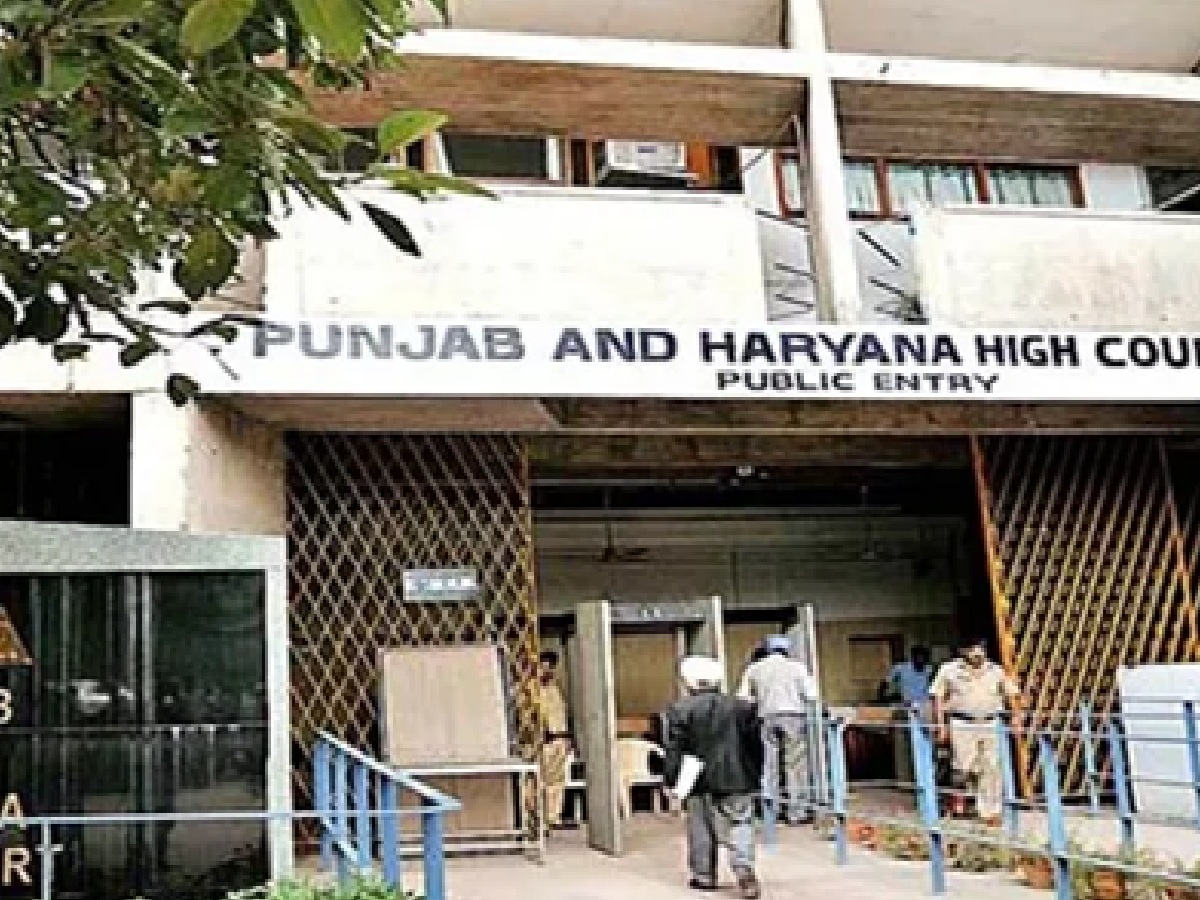
In a significant legal development impacting urban infrastructure and real estate disputes, the Punjab and Haryana High Court has firmly established that land acquisition cases settled decades ago cannot be reopened under the guise of the Right to Fair Compensation and Transparency in Land Acquisition, Rehabilitation and Resettlement Act, 2013. The court delivered a stern warning against the legal strategy of attempting to resurrect long-settled disputes, emphasizing that judicial leniency toward stale claims creates massive roadblocks for regional development and public utility projects.
Division Bench Dismisses 2016 Bahadurgarh Land Petition
The crucial observation came from a division bench comprising Justice Vikas Bahl and Justice Subhash Mehla while they were hearing and ultimately dismissing a 2016 writ petition. The petitioners had challenged the acquisition of one bigha and 12 biswa of land located in Bahadurgarh, situated within the Jhajjar district, which was originally designated for comprehensive residential, commercial, and institutional sector development. Court records detailed that the formal acquisition process commenced back in 2002 and 2003 under the older Land Acquisition Act of 1894, with the official award successfully passed on June 25, 2004. Despite the decades-long gap, the landowners sought to quash the acquisition by exploiting technicalities under the newer 2013 legislation.
Misuse Of Section 24(2) Of The 2013 Land Act
The High Court bench highlighted a disturbing judicial trend observed across northern states, noting that ever since the 2013 Act came into force, a surge of petitions has flooded the judiciary. Landowners who either lost earlier legal battles decades ago or chose never to challenge initial acquisitions suddenly file fresh litigation to leverage Section 24(2). The bench observed that these belated petitions attempt to revive matters that have long since become stale, dead, and legally barred by inordinate delay and laches, undermining administrative finality and frustrating public planning initiatives.
Protecting Public Development From Endless Litigation
Reiterating the necessity of legal finality, the High Court noted that allowing individuals to continually challenge finalized land acquisitions prevents government bodies and urban development authorities from ever completing infrastructure projects on time. Because the petitioners approached the judiciary with an inexcusable delay and could not justify their dormant claims, the bench dismissed the petition as entirely baseless and devoid of merit, sending a strong message that public interest and systematic regional growth will take precedence over speculative legal challenges.



_17098007_351x234.jpg)
_2053091736_351x234.jpg)
_1878852701_351x234.jpg)
_792049827_351x234.jpg)