










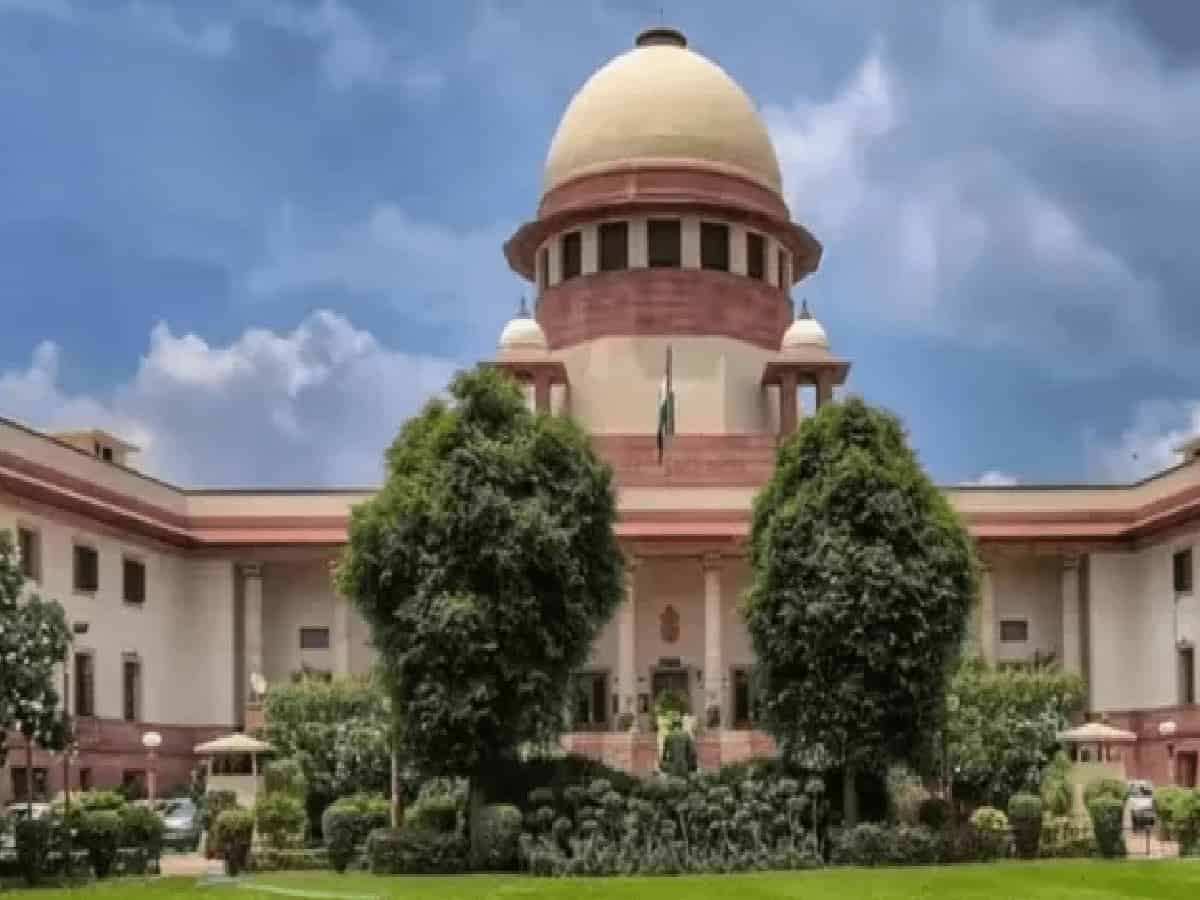
'No Faith in Constitution, So Why Mercy?': Centre Opposes Rajoana Plea
In a pivotal courtroom showdown touching upon constitutional jurisprudence, executive clemency, and national security, the Central Government on Wednesday, November 25, 2026, strongly opposed death-row convict Balwant Singh Rajoana's petition in the Supreme Court seeking commutation of his capital punishment to life imprisonment in the 1995 assassination of former Punjab Chief Minister Beant Singh. Appearing before a three-judge bench comprising Justices Vikram Nath, Sandeep Mehta, and Aparesh Kumar Singh, Additional Solicitor General (ASG) K. M. Nataraj argued pointedly that Rajoana himself has repeatedly declared on judicial record that he does not believe in the Constitution of India and has no faith in Indian courts—questioning how a convict who rejects the constitutional framework can invoke its mercy provisions. Following marathon arguments from both the Union government and Senior Advocate Mukul Rohatgi, who represented Rajoana, the Supreme Court reserved its judgment on the commutation plea and directed all parties to submit their written arguments within three weeks. Having spent nearly 30 years behind bars—including more than 15 years on death row—Rajoana has sought relief on grounds of extraordinary executive delay in deciding a mercy petition pending before the President of India since March 2012. For legal observers, constitutional scholars, and readers across northern India—including households in Unnao and neighboring Uttar Pradesh hubs such as Lucknow, Kanpur, Prayagraj, and Varanasi, where landmark Supreme Court rulings on capital punishment, Article 21 rights, and mercy-petition timelines attract close national interest—Wednesday's hearing marks a decisive stage in one of India's longest-running death-penalty cases.
Key Courtroom Arguments: Centre's Constitutional Objection vs. Rajoana's Article 21 Plea
Wednesday's hearing pitted the Centre's emphasis on Rajoana's trial-court defiance against the defense's reliance on prolonged incarceration and unexplained delay in disposing of the 2012 mercy petition:
| Legal Dimension / Party | Core Submissions Placed Before the Supreme Court Bench (Nov 25, 2026) |
| Bench & Procedural Status | Heard by Justices Vikram Nath, Sandeep Mehta, and Aparesh Kumar Singh; judgment reserved with three weeks granted to file written submissions. |
| Central Government (ASG K. M. Nataraj) | Opposed commutation, noting that Rajoana's statements rejecting the Constitution and courts are recorded in the trial court judgment; highlighted that Rajoana never appealed his death sentence before the High Court and never personally filed a mercy petition or reference. |
| Petitioner's Counsel (Senior Advocate Mukul Rohatgi) | Argued that Rajoana has been incarcerated for nearly 30 years (over 15–17 years on death row) and that nearly three-and-a-half years have passed since the SC's May 2023 judgment without any decision on the mercy petition filed in March 2012 by the Shiromani Gurdwara Parbandhak Committee (SGPC) on his behalf, violating his fundamental rights under Article 21. |
Background of the August 31, 1995 Beant Singh Assassination and Legal Timeline
The case stems from the devastating August 31, 1995 suicide bombing at the entrance of the Punjab and Haryana Civil Secretariat in Chandigarh, which killed then Punjab Chief Minister Beant Singh and 16 others. Rajoana, a Babbar Khalsa operative, was convicted in the conspiracy and sentenced to death by a special CBI court in July 2007. Unlike co-accused Jagtar Singh Hawara, whose death penalty was later commuted to life imprisonment by the High Court, Rajoana refused to contest the trial court verdict or file a personal mercy plea.
In March 2012, the SGPC submitted a mercy petition under Article 72 of the Constitution before the President on Rajoana's behalf, halting his scheduled execution. In May 2023, the Supreme Court declined to commute his sentence at that stage while leaving it open for the competent executive authority to decide the mercy petition in due course. After no final decision emerged over the subsequent three-and-a-half years—and following the apex court's decision in September 2024 to re-examine the matter—the three-judge bench concluded oral hearings on Wednesday.
What Happens Next After the Supreme Court Reserves Its Verdict?
With three weeks allotted for written submissions from both the Union government and Rajoana's legal team, the Supreme Court's forthcoming judgment will determine whether prolonged executive inaction on a third-party mercy petition entitles a convict who declined to appeal his sentence to commutation under Article 21, or whether the Centre's constitutional objections prevail.






