
 Priyanka Tiwari
 Share
Share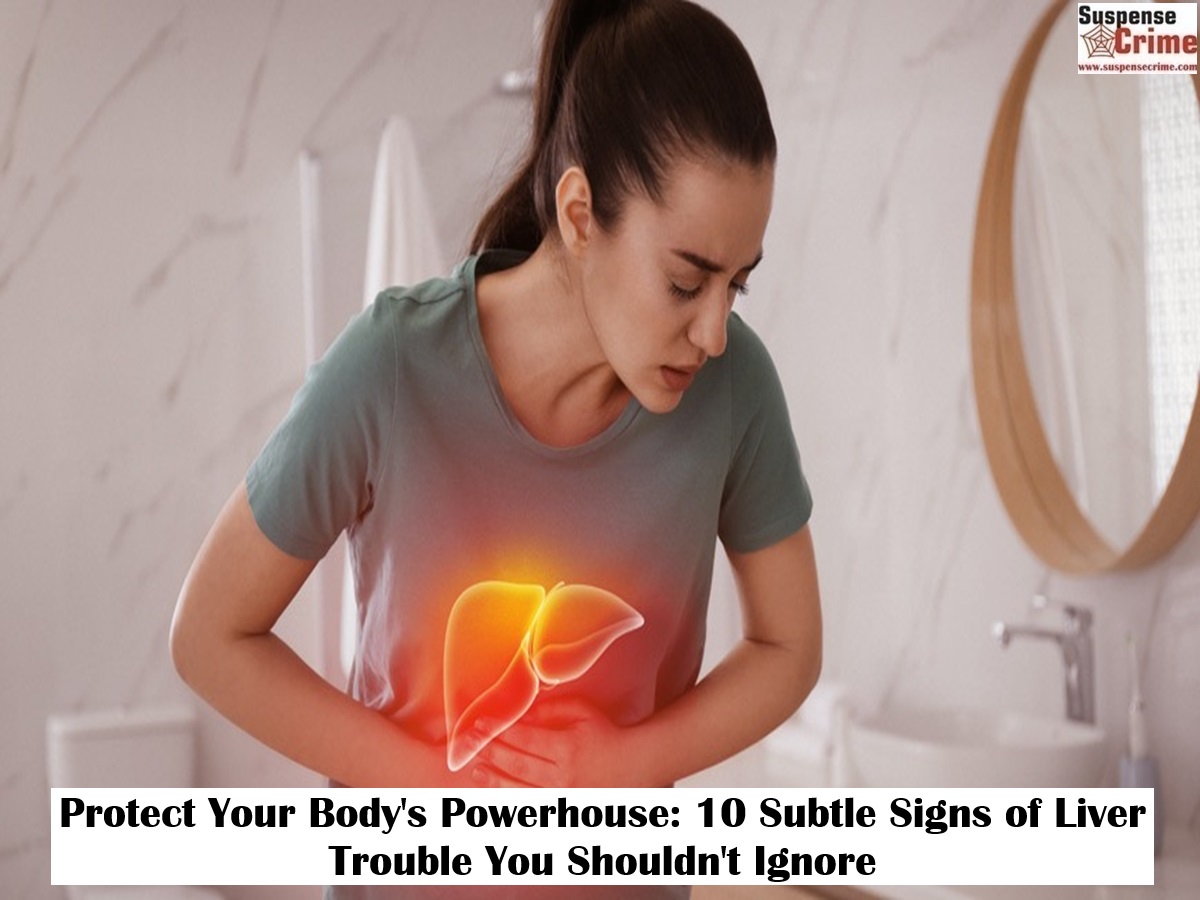
Suspense crime, Digital Desk : Your liver is one of the hardest-working organs in your body, a silent powerhouse that filters toxins, aids digestion, and manages nutrients. But because it's so resilient, problems like liver tumors can develop quietly, often without obvious signs in their early stages.
Recognizing the subtle red flags is crucial for early detection and better outcomes. Here are 10 early symptoms of liver tumors and the proactive steps you can take to lower your risk.
10 Early Warning Signs of Liver Tumors
Your body often sends quiet signals when something is wrong. If you experience any of the following symptoms persistently, it’s time to pay attention.
- Unexplained Weight Loss: Shedding pounds without changing your diet or exercise routine is a common warning sign for many health issues, including liver problems.
- Loss of Appetite: A sudden disinterest in food or feeling full after eating only a small amount can indicate that your liver is under stress.
- Persistent Nausea or Vomiting: Feeling sick to your stomach without a clear cause can be a symptom of a poorly functioning liver.
- Pain or a Lump in the Abdomen: A noticeable ache, feeling of heaviness, or a hard lump on the right side of your abdomen, just below your rib cage, warrants an immediate medical check-up.
- Swelling in the Abdomen (Ascites): The buildup of fluid in your belly, causing it to swell and feel tight, can be a sign of advanced liver disease.
- Chronic Itching: When the liver can't process bile properly, bile salts can build up in the skin, causing persistent and intense itching all over the body.
- Jaundice (Yellowing Skin and Eyes): This classic sign of liver distress occurs when bilirubin, a yellow pigment, builds up in your blood, giving your skin and the whites of your eyes a yellowish tint.
- Pale, Chalky Stools: Healthy stool gets its brown color from bile. If your stools are pale or clay-colored, it may mean your bile ducts are blocked.
- Enlarged Liver or Spleen: A doctor might be able to feel an enlarged liver or spleen during a physical exam, which can point to underlying issues.
- Constant Fatigue and Weakness: Feeling unusually tired and weak, beyond normal exhaustion, can be a signal that your liver is struggling to perform its vital functions.
Proactive Steps to Lower Your Liver Risk
While some risk factors are out of your control, you can take powerful, proactive steps to protect your liver health:
- Maintain a Healthy Lifestyle: Focus on a balanced diet rich in fruits, vegetables, and whole grains. Regular exercise helps you maintain a healthy weight, reducing the risk of non-alcoholic fatty liver disease (NAFLD), a major contributor to liver problems.
- Limit Alcohol Consumption: Excessive alcohol is a leading cause of liver damage and cirrhosis, which significantly increases the risk of liver cancer.
- Get Vaccinated: The Hepatitis B virus is a major cause of liver cancer. A safe and effective vaccine is available to protect you.
- Prevent Hepatitis C: This virus is spread through infected blood. Avoid sharing needles, razors, or toothbrushes, and practice safe sex.
- Manage Chronic Conditions: If you have diabetes, high cholesterol, or obesity, work with your doctor to manage them effectively to prevent complications like fatty liver disease.
If you experience any of these symptoms, don't dismiss them. Schedule a visit with your doctor for a proper diagnosis. Early detection is your best defense.
Read More: Get Salon-Ready Feet at Home The Magic Tomato Scrub to Erase Tan and Roughness in Minutes

_132300150_100x75.jpg)
_430488585_100x75.jpg)
_1333714631_100x75.jpg)
_58079313_100x75.jpg)