
 Ziya
Ziya Share
Share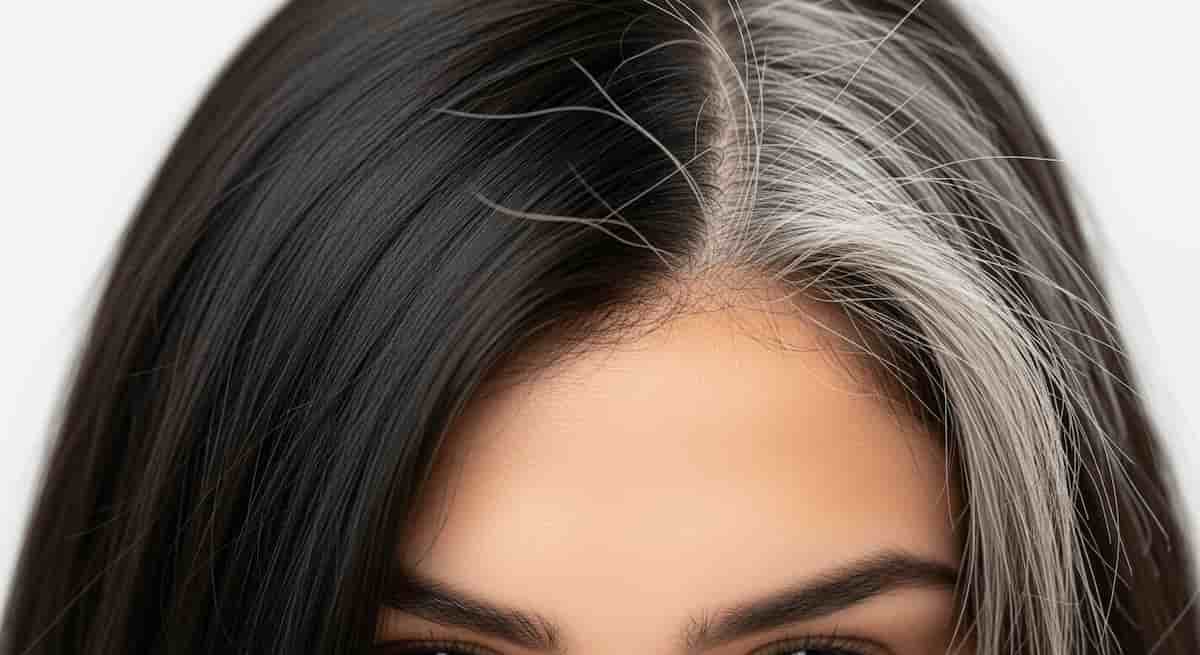
Seeing gray or white hairs pop up, especially earlier than you'd expect, can be a bit of a shock. While genetics play the biggest role in when you'll start to go gray, lifestyle and, importantly, your diet can also be major factors. In many cases, premature graying can be a sign from your body that it's missing some crucial nutrients.
So, which vitamin deficiency is often the main culprit behind those unwanted white strands?
The primary suspect is Vitamin B12. This essential vitamin plays a huge role in the health of your red blood cells, which carry oxygen throughout your body, including to your hair follicles. A lack of B12 can lead to a condition called pernicious anemia, and one of its tell-tale signs is the loss of hair pigment. Since our bodies don't make Vitamin B12 on their own, we have to get it from food.
But B12 isn't the only nutrient on the list. Other vitamin and mineral deficiencies that have been linked to premature graying include:
- Vitamin B9 (Folate) and Vitamin B5 (Pantothenic Acid): These B-vitamins are crucial for hair health, and a shortage can impact pigment production.
- Vitamin D: Sometimes called the "sunshine vitamin," low levels of Vitamin D have also been associated with hair turning gray prematurely.
- Iron and Copper: These minerals are vital for producing melanin, the pigment that gives your hair its color. A deficiency can directly impact your hair's shade.
How can you prevent or slow down premature graying?
While you can't change your genes, you can make dietary and lifestyle adjustments to support your hair health.
- Boost Your Vitamin B12 Intake: The best sources are animal products. Include foods like eggs, milk, cheese, fish, and chicken in your diet. If you follow a vegetarian or vegan diet, it's a good idea to look for fortified foods (like cereals or plant-based milks) or talk to your doctor about taking a B12 supplement.
- Focus on a Balanced Diet: Don't just single out one vitamin. A diet rich in a variety of nutrients is key. Eat plenty of leafy green vegetables (like spinach for iron and folate), lentils, and fresh fruits. Foods like mushrooms are great sources of copper.
- Manage Stress: Chronic stress can do a number on your body, including your hair follicles. Incorporating stress-reducing activities like meditation, yoga, or regular exercise can make a real difference.
- Protect Your Hair from Damage: Over-styling with heat and using harsh chemical products can damage your hair follicles and contribute to premature aging. Be gentle with your hair.
If you're noticing a sudden increase in gray hairs, it's always a good idea to consult a doctor. They can run tests to check for any underlying vitamin deficiencies or medical conditions and recommend the best course of action for you.
_1570701464_100x75.jpg)
_1563449287_100x75.jpg)

_1025409548_100x75.jpg)
_1681775372_100x75.jfif)