

 Priyanka Tiwari
 Share
Share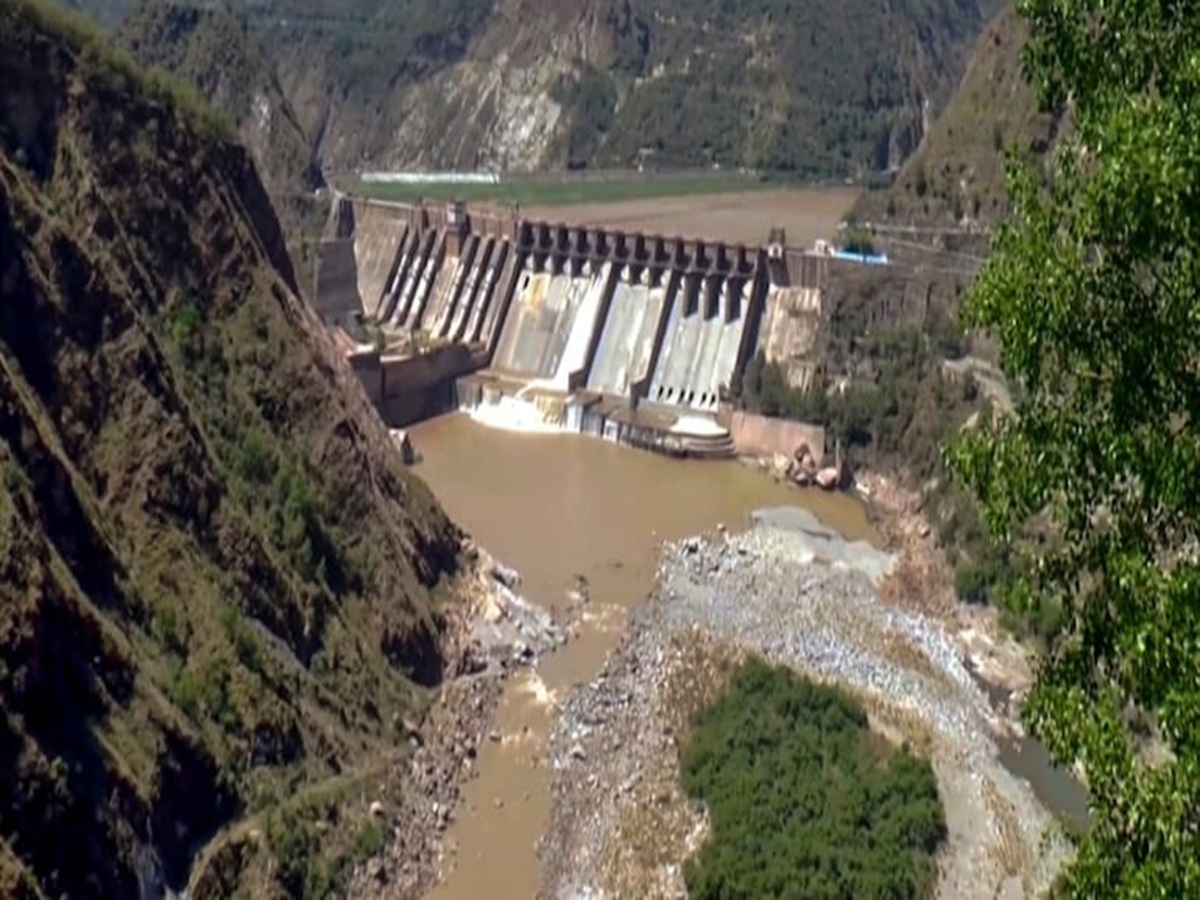
Suspense Crime, Digital Desk : Pakistan is grappling with a serious water shortage as the Indus River system, the country's agricultural backbone, has experienced a significant 15% decrease in water flow during the critical early phase of the Kharif crop season. This alarming situation, highlighted by the Indus River System Authority (IRSA), means Pakistan's major water reservoirs are now at critically low, or even "dead," levels, posing a severe threat to farming and potentially impacting hydropower generation.
Between April 1st and May 10th, the actual water flowing into the Indus Basin was only 3.76 million acre-feet (MAF). This is considerably less than the 4.4 MAF that was anticipated, largely because unusually low temperatures in the northern mountainous regions have slowed down the crucial melting of snow and glaciers that feed the rivers.
The impact is starkly visible at Pakistan's two largest dams. Tarbela Dam is reportedly at its "dead level," meaning no water can be released, while Mangla Dam is also precariously close to its minimum operational capacity. This scarcity is particularly worrying for the ongoing Kharif season, which depends heavily on this water to irrigate vital crops like cotton, sugarcane, and rice. The agricultural heartlands of Punjab and Sindh provinces are set to face the most severe consequences of this shortage.
IRSA, the authority responsible for managing water distribution among provinces, had initially forecast a 10% water shortage for the early Kharif period. However, the reality has proven worse, with the deficit now standing at 15%. While there's a sliver of hope that rising temperatures in the coming weeks could boost snowmelt and improve river inflows, the current situation remains critical.
Water experts, such as Dr. Hassan Abbas, emphasize that this isn't a one-off event. He points to climate change as a major driver, altering traditional glacial melt patterns and leading to more unpredictable water availability. Dr. Abbas stresses the urgent need for Pakistan to enhance its water governance, invest in constructing more water storage facilities, and actively promote water conservation practices to tackle future crises.
This current water emergency underscores Pakistan's growing vulnerability to water stress and the critical need for comprehensive and sustainable strategies to manage its vital water resources effectively. Without decisive action, the nation's food security, economy, and the livelihoods of millions could be at risk.
Read More: Pakistan Clears $3.45 Billion UAE Debt via Saudi Bailout: How the Circular Debt Shuffle Worked