Priyanka Tiwari
 Share
Share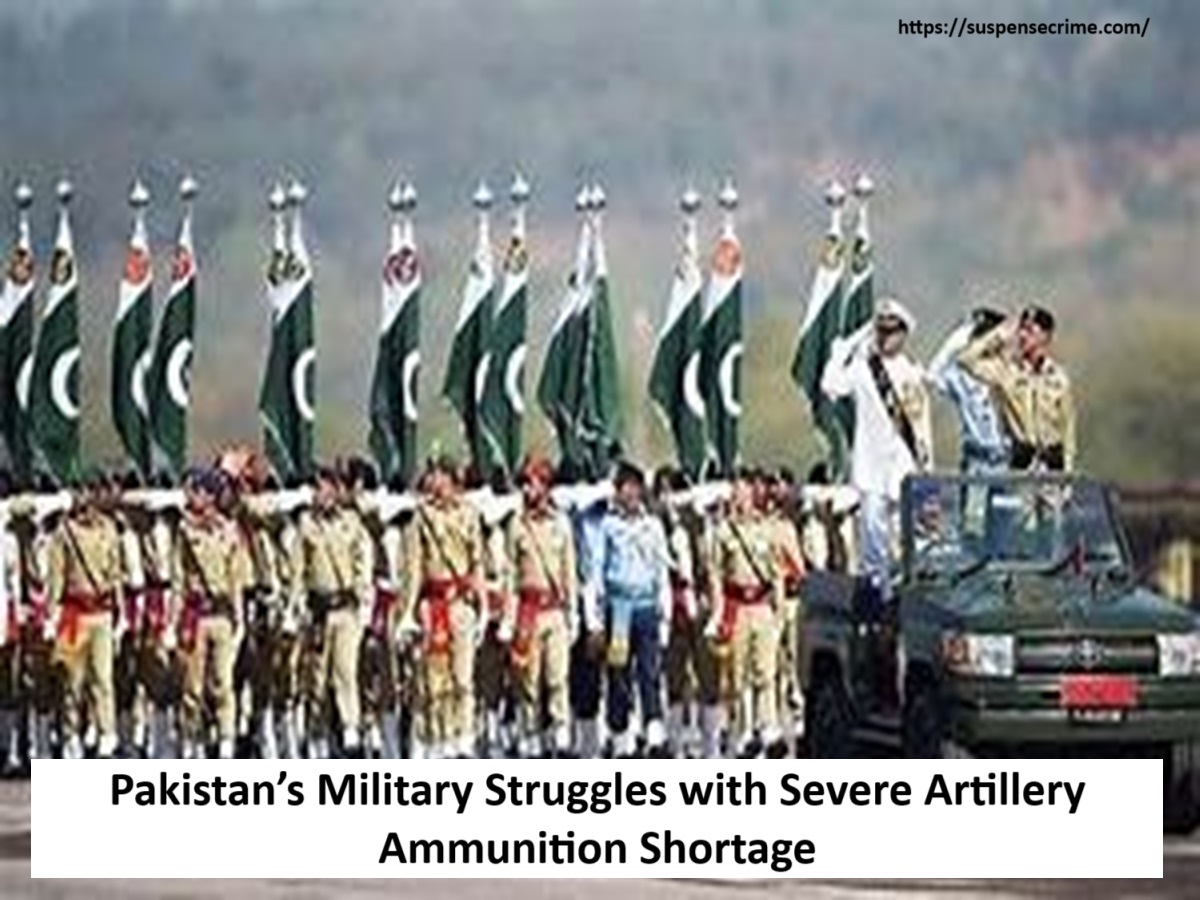
Suspense Crime, Digital Desk : Reports indicate that Pakistan's military may not have enough artillery ammunition to continue combat operations in the region for the foreseeable future.
ANI has provided evidence that suggests tensions between India and Pakistan escalated after the terrorist attack that took place in Pahalgam on April 22.
Insufficient Ammunition Supply Creates New Complications
The same report asserts that Pakistan could currently afford to engage in only 96 hours of unrelenting combat activities. Whether this has created the almighty need for internal dialogue is still up for debate but what is clear is that this restriction has brought urgent internal deliberations. During the Special Corps Commanders Conference on May 2, this issue became the focal point discussion.
Export-Import Regulations Erected in Relation to Ukraine
“One of the reports cites the reasons for this to be the recent arms exports to Ukraine. From the other side of the boat however, Pakistan has been quite active in quenching the global thirst for 155mm artillery shells,” said an anonymous source. Although these exports are financially favorable in nature, they significantly reduce the country’s reserves for important resources including the M109 howitzers and BM-21 rockets.
Progressive Attempts Remain Unsuccessful
The leading manufacturer of ammunition, Pakistan Ordnance Factories (POF) is failing to meet these targets due to outdated policies, according to the report. Even if the POF has remained committed to prioritizing the needs of the army, it has been reported that they have not succeeded in presenting the country with adequate supplies.
Economic Weaknesses and Strategic Errors
ANI was informed by an expert on defense issues that the most primary strategic blunder made by Pakistan was attempting to export a critical military asset without ensuring self-sufficiency.
The decline in the country’s economic condition is further compounded with rampant inflation, insufficient foreign currency reserves, and increasing national debt. These financial constraints are responsible for the military’s increased restrictions on operational tempo, reduced ration scales, and the suspension of most fuel-drill exercises due to limited fuel.
New Bunkers Construction with Minimum Ammunition Supply
Analytic reports suggest Pakistan is constructing new ammunition depots not far from the Indian border in anticipation of possible confrontation. The problem is, without sufficient ammunition, the stored strategic value of these depots will remain inconsequential.
Post Attack India-Pakistan Conflict Escalation
This revelation comes in the backdrop of India and Pakistan having locked themselves in a diplomatic and trade war standoff. India has, time and again urged that cross border terror attacks of this magnitude are the handiwork of Pakistan based terror groups, the April 22 Pahalgam Attack was no different, which resulted in 26 deaths, the majority being tourists.
In retaliation, India has initiated very stringent measures:
Suspended the Indus Waters Treaty
Closed the Integrated Check Post at Attari
Downgraded diplomatic missions
Revoked visas issued to Pakistanis
Prohibited Pakistan registered airplanes from Indian airspace
Pakistan Retaliates With Trade Bans
Following India’s suspension of trade with Pakistan and the restriction of Indian merchants from using Pakistani ports, Pakistan responded by prohibiting Indian registered vessels from accessing its ports.
Continuous Stalemate Injects More Tensions In Controversial Region
With sea warfare now included, the existing problems have been internatioanlized. Both nations are still experiencing challenges on military and diplomatic fronts, which has resulted in intransigent positions on both sides.
Read More: FTA Warns of Massive Flight Crisis, TMC Alleges BJP’s Death Threat Against Mamata Banerjee