Priyanka Tiwari
 Share
Share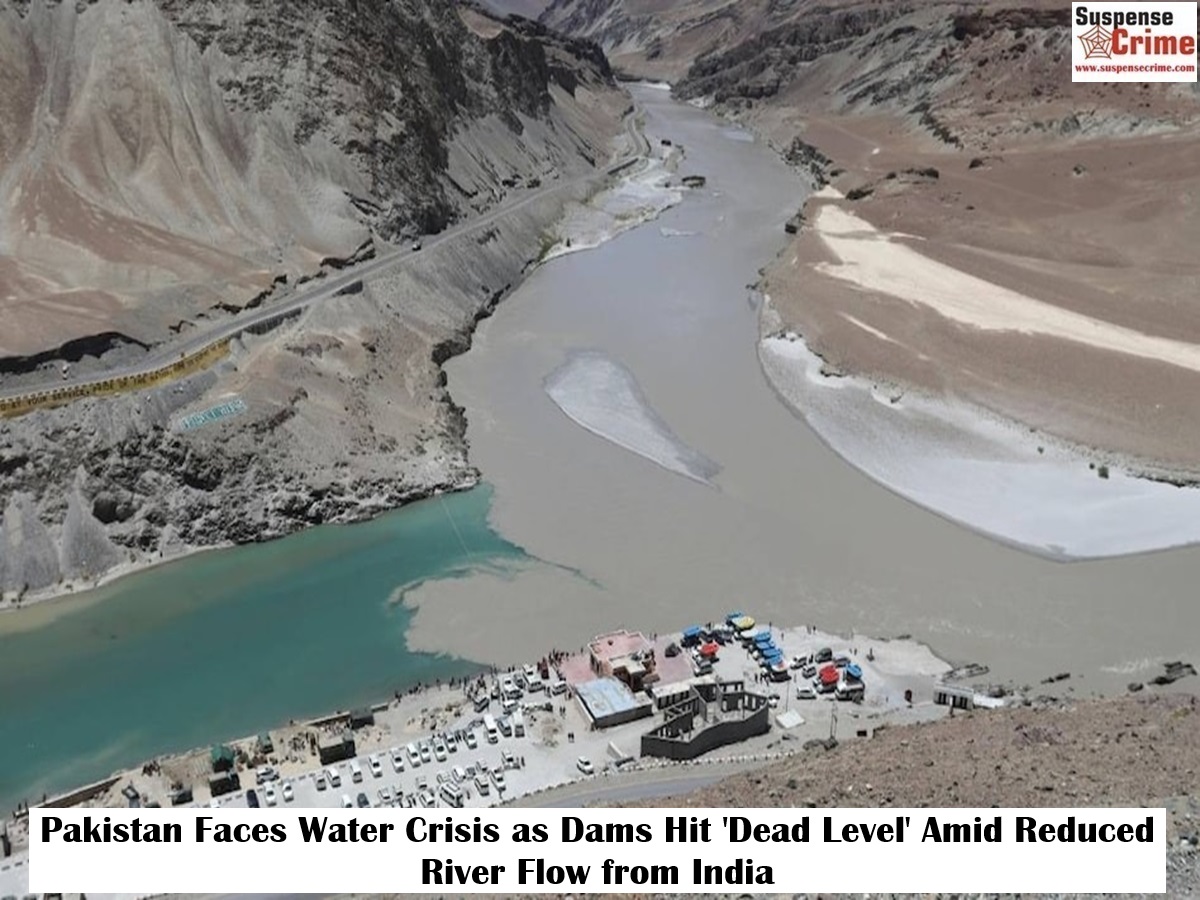
Suspense crime, Digital Desk : Pakistan is facing a dire water crisis at the onset of its crucial Kharif (summer) crop season, as its two primary water reservoirs, the Tarbela and Mangla dams, have reportedly hit their "dead levels." This precarious situation stems from a significant and alarming reduction in the flow of water from the western rivers that originate in or flow through India.
The "dead level" of a dam is the minimum level below which water cannot be drawn for irrigation or power generation, meaning the stored, usable water is nearly exhausted. The current combined live storage in Pakistan's dams is critically low, creating an acute water shortage for the country's agricultural heartlands.
According to reports from Pakistan's Indus River System Authority (IRSA), the inflow from the western rivers—Indus, Jhelum, and Chenab—has been drastically lower than both the previous year's figures and the 10-year average. Under the Indus Waters Treaty, the waters of these three western rivers are allocated to Pakistan.
The timing of this water shortage is particularly critical. The Kharif season, which begins in April, is when farmers sow major crops like cotton, rice, and sugarcane, all of which are water-intensive. The lack of sufficient water in the dams at this stage could severely impact agricultural output, threatening the livelihoods of millions and the nation's food security.
Provinces like Punjab and Sindh, which are heavily reliant on this water for irrigation, are expected to bear the brunt of the crisis. The reduced river flow has forced water management authorities to implement rationing, further stressing the agricultural sector. The situation highlights Pakistan's extreme vulnerability to fluctuations in transboundary river flows and underscores the growing challenges of water management in the region.
Read More: US Military Recruitment Crisis Pentagon Rethinks Standards Amid Global Tensions