Sonam Wangchuk Defends Ending 26-Day Fast: Rejects Political Deal Claims Following Congress Criticism
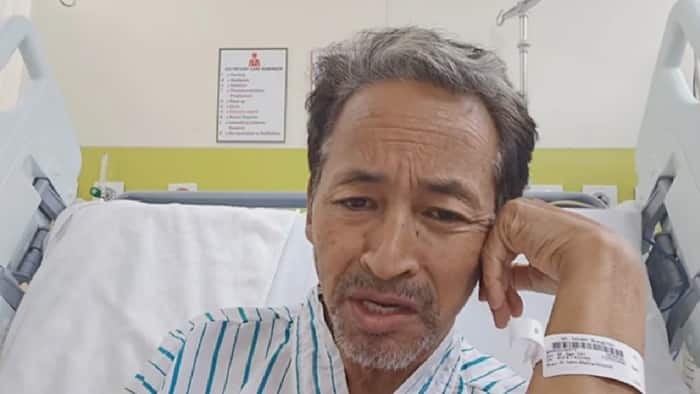
Educationist and climate activist Sonam Wangchuk has strongly responded to criticism regarding his decision to conclude a 26-day hunger strike staged in support of students protesting over the NEET-UG examination paper leak controversy. Addressing claims of an alleged political compromise or "secret deal" with the Central Government, Wangchuk clarified that his decision was based entirely on official assurances and not political bargaining.
In a detailed 22-minute video message released on social media platform X, Wangchuk stated that he should not have to offer character certificates or prove the genuineness of a fast undertaken under extreme physical toll.
"Do I Need to Prove My Sincerity?" – Activist Rejects Deal Allegations
Addressing critics questioning why the fast was concluded following interactions with Union Ministers, Wangchuk questioned the logic behind allegations of a clandestine arrangement:
"AFTER 26 DAYS OF HUNGER DO I NEED TO PROVE MY SINCERITY!!! If a bargain had to be made, would someone have to stay hungry for 26 days on the roadside in Delhi's heat? Could I not have sat in an air-conditioned room to strike a deal?"
Wangchuk emphasised that the protest resolved after key government assurances were extended regarding parliamentary discussions, student welfare measures, and judicial reviews.
Opposition Criticism and Political Reactions
The controversy escalated after Congress MP Imran Masood publicly criticised Wangchuk's decision, drawing parallels to veteran activist Anna Hazare and alleging that a "personal understanding" was reached without direct student representation:
Political Allegations: Masood questioned the absence of student delegates during Wangchuk’s discussions with government officials, alleging that only regional representatives from Ladakh were present.
Government Assurances: Reports indicate that key commitments—including assurances against punitive cases on student protesters and discussions during upcoming parliamentary sessions—helped convince Wangchuk to accept medical advice and end his fast.
High-Profile Support: Following the fast's conclusion, several public figures, cultural personalities, and civil society members expressed support for his health recovery while calling for transparent resolution of the NEET-UG issue.
Key Commitments Leading to Conclusion of Fast
| Aspect | Status / Government Commitment |
|---|---|
| Protest Legal Cases | Assurance against filing punitive cases on peaceful student protesters |
| Parliamentary Review | Commitment to raise examination integrity issues in legislative debates |
| Protest Continuity | Student groups and CJP delegates to continue peaceful advocacy for structural reform |
Aspect Status