










SC: Conviction Can't Be Stayed Just to Save MLA Seat
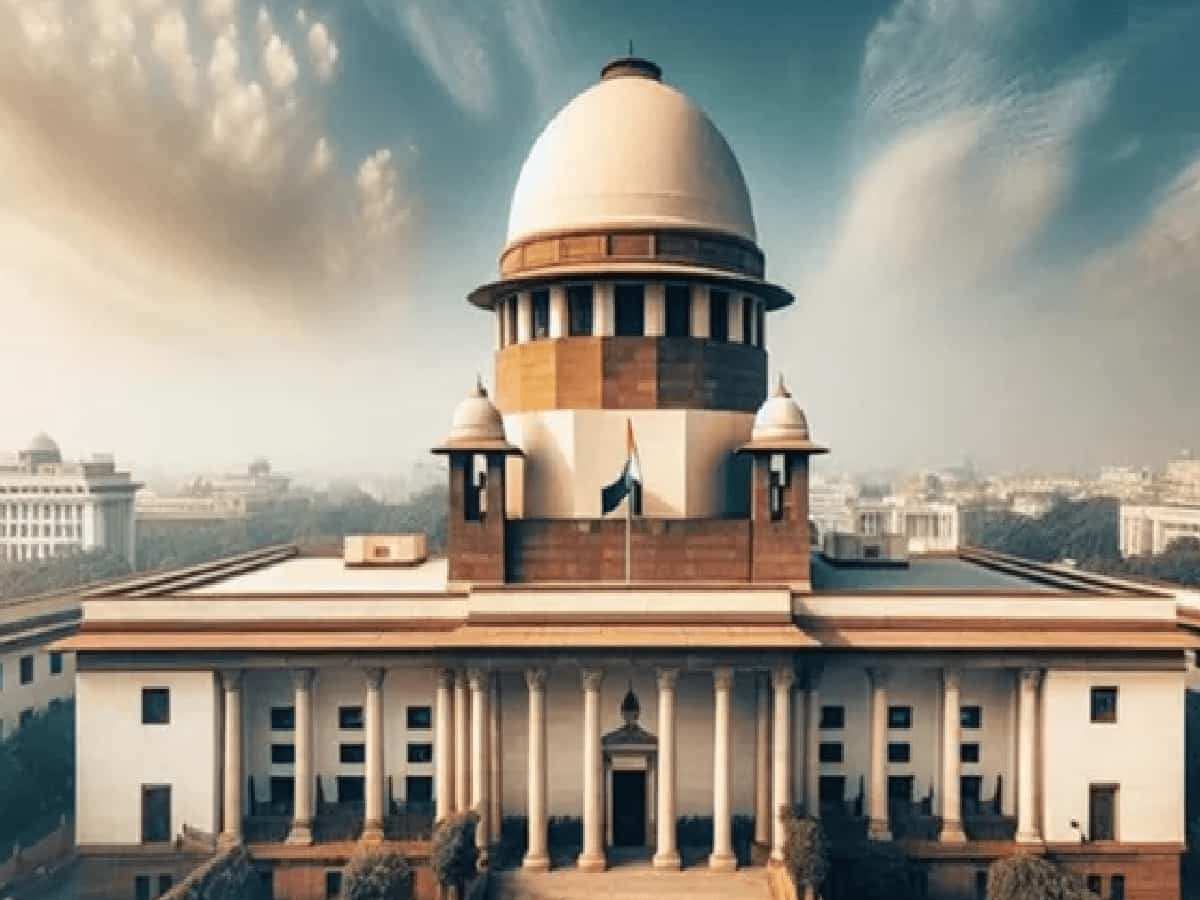
In a significant ruling on electoral accountability and criminal jurisprudence, the Supreme Court of India has firmly rejected the argument that a criminal conviction should be stayed simply because a sitting legislator faces disqualification from the Legislative Assembly. Setting aside the July 31, 2026 order of the Karnataka High Court—which had stayed the conviction and suspended the life sentence of former Karnataka minister and Congress MLA Vinay Kulkarni alongside seven co-convicts in the 2016 murder of BJP Zilla Panchayat member Yogesh Goudar—a bench of Justice Prashant Kumar Mishra and Justice Shree Chandrashekhar cancelled their bail and directed them to surrender within two weeks to serve their sentences. Writing that treating disqualification as an automatic ground to stay a conviction would hand every convicted lawmaker an automatic entitlement to remain in office, complete their term, and contest future elections while nullifying statutory consequences, the apex court underscored that judicial relief in serious criminal convictions must remain strictly bounded by settled legal thresholds. For legal practitioners, lawmakers, and citizens across Uttar Pradesh—including readers in Lucknow and neighboring hubs such as Unnao, Kanpur, Prayagraj, and Varanasi, where judicial standards governing legislator disqualification under representation laws carry direct relevance across state and national politics—the ruling draws a clear line between extraordinary appellate relief and routine protection of political office.
Why Disqualification Alone Cannot Justify Staying a Conviction
Addressing the Karnataka High Court's reasoning in State of Karnataka v. Vinay Rajashekharappa Kulkarni & Anr., the Supreme Court bench observed that it is a misconception to believe a conviction merits a stay solely because the convict would otherwise lose Assembly membership. Allowing such an interpretation, the judges warned, would turn an exceptional judicial power into an automatic shield for every convicted legislator, enabling them to retain their seat, finish their tenure, and seek re-election despite a subsisting finding of guilt. Reaffirming settled precedent, the Court stressed that a stay of conviction can be granted only in rare and exceptional cases where, after examining every facet of the judgment and its consequences, the appellate court is satisfied that the convict would otherwise suffer irreparable adverse consequences—requiring far more than even a prima facie case.
Key Legal Principles Laid Down by the Supreme Court Bench
Alongside setting aside the stay of conviction, Justices Prashant Kumar Mishra and Shree Chandrashekhar examined the High Court's suspension of life sentences in a heinous murder conspiracy case:
| Legal Principle / Issue | Supreme Court's Observation & Ruling (Nov 25, 2026) |
| Disqualification as Ground for Stay | Disqualification from an Assembly seat cannot be the primary or automatic basis to stay a conviction; otherwise every convicted MLA would claim automatic entitlement. |
| Standard for Staying Conviction | Permitted only in rare and exceptional cases upon judicial satisfaction of irreparable adverse consequences after reviewing all aspects of the conviction. |
| Pendency of Appeals in Heinous Crimes | Long pendency of criminal appeals in High Courts and limited prospects of early hearing cannot justify suspending sentences in grave offenses like murder, robbery, rape, or extortion. |
| Threshold for Suspending Sentence | Appellate courts may suspend a sentence only where compelling reasons are recorded and there is a strong prima facie case for acquittal—meaning a reasonable possibility of the convict being acquitted. |
Case Background: From the 2016 Dharwad Murder to the Surrender Directive
The underlying prosecution stems from the 2016 murder of BJP Zilla Panchayat member Yogesh Goudar in Dharwad, an investigation later handed over to the Central Bureau of Investigation (CBI) in September 2019. On April 15, 2026, a Special Court in Bengaluru convicted Vinay Kulkarni and co-accused under Sections 302 and 120B of the Indian Penal Code, awarding life imprisonment to the principal convicts and seven years' rigorous imprisonment to a former investigating officer. After the Karnataka High Court stayed Kulkarni's conviction and suspended the sentences of eight life convicts and the former officer on July 31, 2026, appeals by the State of Karnataka, the CBI, and the deceased leader's brother Gurunathgouda Goudar brought the matter before the Supreme Court.
Administrative Reform Over Routine Bail in Life-Sentence Appeals
Noting that appellate backlogs in High Courts are a reality but cannot confer automatic bail on life convicts while hundreds of other prisoners serving life terms remain incarcerated, the Supreme Court remarked that delays in hearing appeals must be addressed primarily through administrative measures rather than diluting bail standards in grave crimes. With bail bonds cancelled and a two-week surrender deadline imposed, the judgment reinforces strict scrutiny whenever convicted public representatives seek to suspend both punishment and statutory disqualification.






